Michigan Tiny House Laws: A Practical 2026 Guide (From TinyHomeMap)
24 min read · Updated October 15, 2026
By John
Michigan is one of the most active states in the tiny home movement, but its legal landscape can feel like a maze. There is no single statewide law governing tiny houses in Michigan. Instead, your ability to build, park, or live in a tiny house depends almost entirely on local zoning ordinances, how your home is classified, and which township or city you choose. This guide breaks down everything you need to know - from building codes and minimum square footage to specific municipalities that already welcome tiny living.
Key Takeaways
Michigan has no single statewide tiny home law. Whether your tiny house is legal depends on local zoning ordinances and whether your home is built on a permanent foundation or sits on wheels. Foundation-built tiny homes generally follow the Michigan Residential Code, while tiny homes on wheels are classified as recreational vehicles and typically must be placed in RV parks or mobile home parks unless a township allows more.
Here are the most important points to take away:
Tiny homes are legal in Michigan with varying regulations. Individual municipalities and counties determine minimum square footage requirements, allowed zones, and whether a tiny house can serve as a primary residence or only as an accessory dwelling unit. Many Michigan counties enforce minimum dwelling size requirements ranging from 225 to 800 square feet.
Foundation vs. wheels changes everything. The same 300 square feet tiny house design is regulated completely differently depending on whether it's on a slab or a trailer. Tiny homes on foundations must meet Michigan Residential Code standards. Tiny homes on wheels are classified as RVs under Michigan law.
Several Michigan communities are already tiny-friendly. Mecosta County permits tiny homes down to 200 square feet. Briley Township in Montmorency County created its economy efficient dwelling rules. Cleveland Township in Leelanau County set its minimum at 480 square feet. Muskegon Township established a tiny home development district. Ann Arbor allows tiny homes with a minimum area of 225 square feet for accessory dwelling units.
Always verify local zoning before buying land. Regulations for tiny houses are determined by individual local municipalities and counties, and rules can change between adjacent townships.
TinyHomeMap can help. Use TinyHomeMap to locate tiny house community options, RV parks, cottage estates that accept park models, and land listings in Michigan where tiny houses are already supported.
How Michigan Classifies Tiny Houses: Foundation vs. Wheels
The legal path for your tiny house in Michigan depends first on one fundamental question: is it built on a permanent foundation, or does it sit on a trailer frame with wheels?
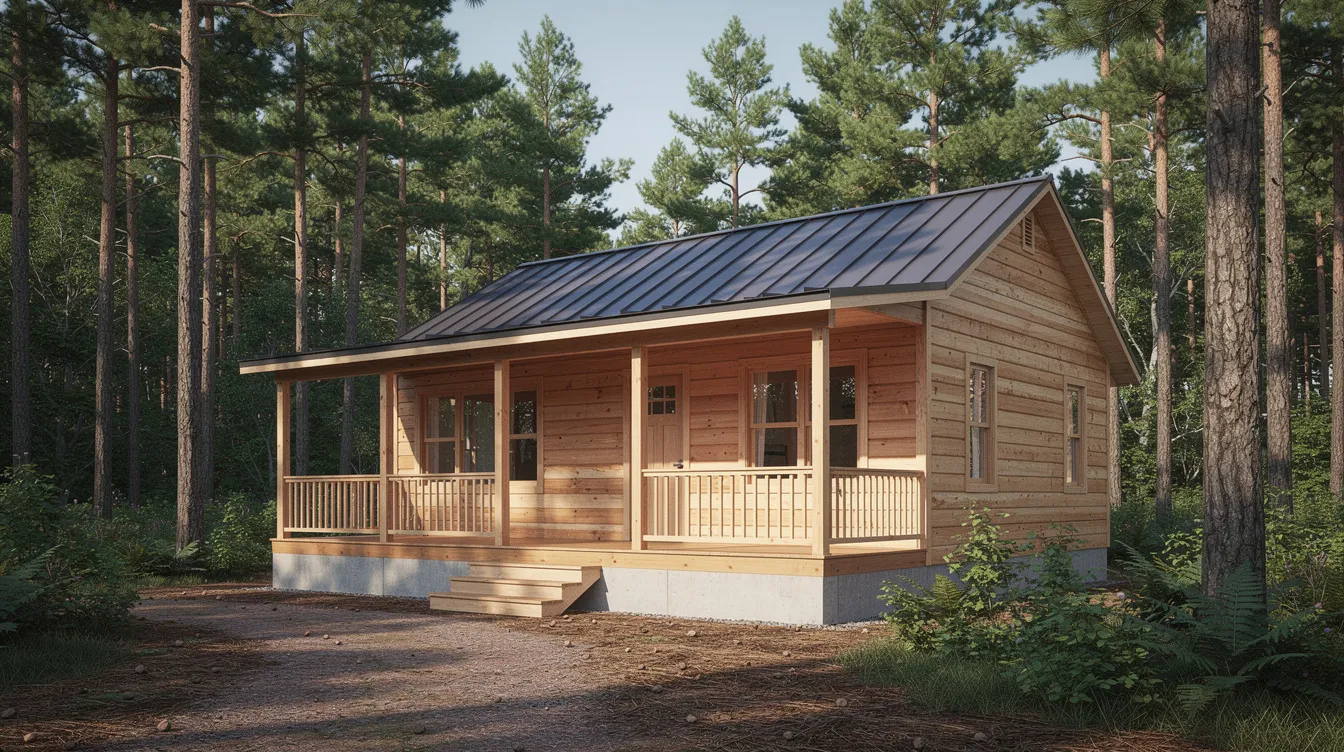
Foundation-built tiny houses are treated as dwellings under the Michigan Residential Code. This means:
Full compliance with building, electrical, plumbing, and energy codes
Foundation extending to frost depth (typically 42 inches below grade in colder regions)
Inspections for framing, insulation, egress, and final occupancy
Property tax assessment as real property, eligible for homestead exemptions
Standard homeowner's insurance
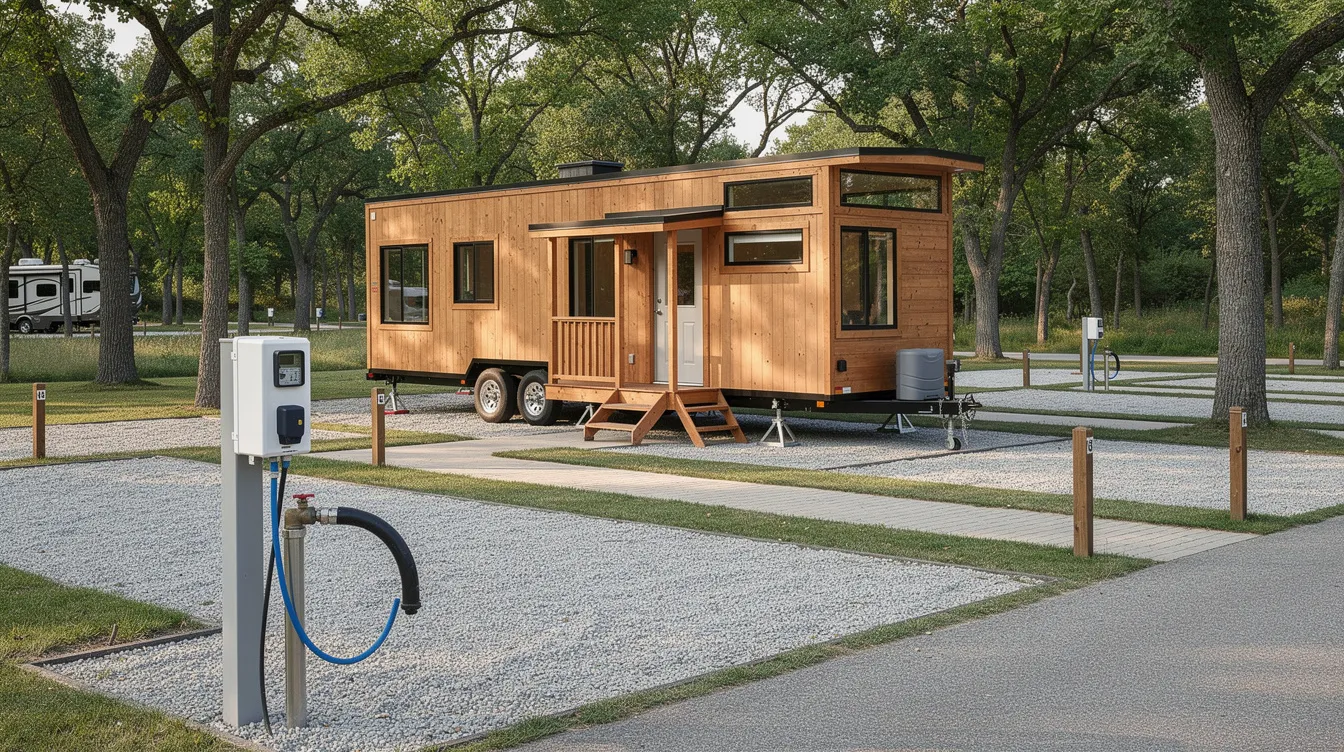
Tiny homes on wheels (THOWs) and park model cabins follow a different track:
Registered as RVs or trailers via the Secretary of State under the Michigan Vehicle Code
Governed for habitation primarily in licensed campgrounds or RV parks
Park models must be ANSI A119.5 certified and 400 square feet or less in setup mode
Park models are considered recreational vehicles under Michigan law
Insurance requires RV or specialized policies, not standard homeowner's coverage
A tiny house on a trailer does not automatically make it legal as a permanent residence in Michigan. The same 240–400 square feet design could be regulated in two completely different ways depending solely on whether it's movable or permanently attached to a code-approved foundation.
Michigan Has No Statewide Tiny Home Law: Why Local Zoning Rules Everything
Michigan operates under a "home rule" system. The state sets the building codes through the Stille-DeRossett-Hale Single State Construction Code Act, but townships, cities, and villages control zoning ordinances, minimum square footage, and land use through the Michigan Zoning Enabling Act.
There is no single "Michigan tiny house law." Instead, more than 1,700 local governments each decide independently whether tiny houses, accessory dwelling units ADUs, and park models are allowed as primary or accessory dwellings. Michigan local zoning ordinances greatly affect where tiny houses may be legally placed. Individual municipalities can have vastly different regulations regarding the legality and classification of tiny houses.
Before you buy land or order a tiny home, check both county and township or city zoning ordinances. Most are available as PDFs on municipal websites.
Many municipalities in Michigan restrict tiny homes to prevent smaller builds through strict zoning codes. Minimum square footage requirements for tiny houses are set locally and vary widely. Rules cited in this guide are current as of 2024–2025 ordinance texts, but ordinances can change. Always confirm details with the local zoning office for up to date information.
Understanding Minimum Square Footage Rules in Michigan
Minimum square footage is usually the single biggest barrier for tiny houses on foundations. Many Michigan townships still reference older standards, making sub-400 square feet homes illegal as primary dwellings.
Restrictive examples:
| County/Township | Minimum Dwelling Size |
|---|---|
| Van Buren County | 720 sq ft |
| Wexford County | 800 sq ft |
| Missaukee County | ~600–720 sq ft |
| Lake County | ~600–720 sq ft |
| Cleveland Township (Leelanau, older ordinance) | 1,000 sq ft |
More flexible examples:
| County/Township | Minimum Dwelling Size |
|---|---|
| Mecosta County | 200 sq ft (no minimum floor area enforced) |
| Cleveland Township, Leelanau County (updated) | 480 sq ft |
| Spaulding Township THD | 240 sq ft |
| Muskegon Charter Township THD | 240 sq ft |
| Ann Arbor (ADUs) | 225 sq ft |
Mecosta County permits tiny homes down to 200 square feet. Leelanau County's minimum square footage for tiny homes is 480 square feet in Cleveland Township. Ann Arbor requires tiny homes to be at least 225 square feet.
The practical effect: in strict areas, a 300 square feet tiny house may only be legal as an ADU or within a designated tiny house community, not as a standalone single-family home. In an entire county like Mecosta, the removal of minimum square footage requirements opens the door to nearly any size primary dwelling.
Key Building Codes: Michigan Residential Code and Appendix Q
When your building department reviews a tiny house application, two code references will come up: the Michigan Residential Code and IRC Appendix Q. Understanding both will save you redesign headaches.
Michigan Residential Code (MRC)
The state building code applies to all one- and two-family dwellings, including tiny homes on foundations. Key requirements include:
Frost-depth foundations - typically 42 inches below grade in northern Michigan
Egress windows in every sleeping room (minimum 5.7 sq ft opening)
Minimum ceiling heights of 6 feet 8 inches for habitable rooms
Insulation R-values appropriate for Michigan's cold climate zones
Snow load ratings for roofs (varies by region, often 40+ psf)
Full electrical, plumbing, and mechanical trade permits
Michigan does not have a dedicated tiny house appendix in its residential code. Tiny homes must comply with local building codes in Michigan just like any conventional house.
Appendix Q (IRC 2018)
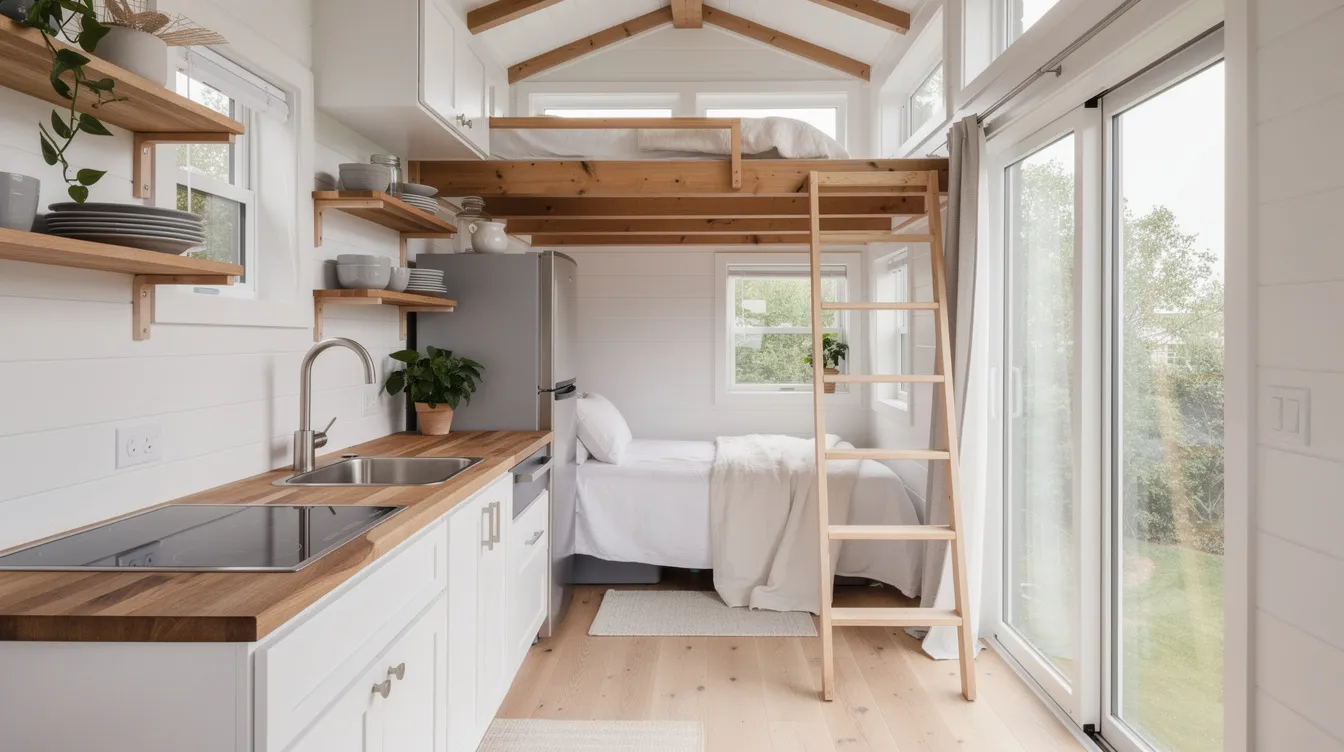
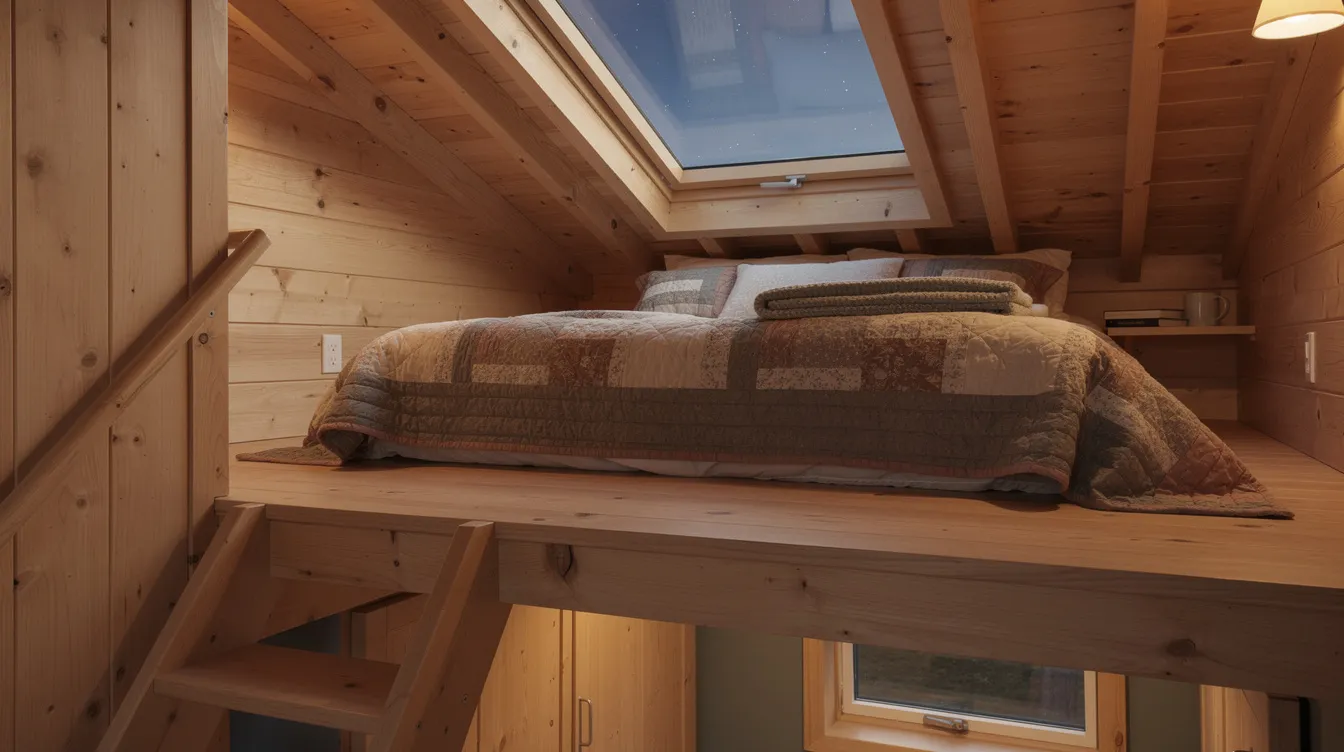
Appendix Q was written for tiny houses under 400 square feet. It relaxes rules on loft ceiling heights, allows compact stairs or alternating-tread devices, and provides alternative egress openings. However, Michigan has not adopted Appendix Q statewide. Adoption is up to each municipality.
Ask your local building department directly: "Have you adopted Appendix Q for tiny houses, or do you grant variances for lofts and compact stairs?" That single question can determine whether your floor plan works or needs a complete redesign.
Foundation Tiny Homes and the 'Progressive Zoning' Strategy
Instead of fighting hostile zoning ordinances, the most effective strategy is to seek out Michigan municipalities that already permit small primary dwellings. Call it the "progressive zoning" approach.
Basic checklist for foundation tiny homes:
Confirm the zoning district allows a dwelling of your planned size (use-by-right or special use)
Verify minimum square footage requirements
Check setbacks, height limits, and lot coverage maximums
Apply for a standard building permit under the MRC
Arrange trade permits (electrical, plumbing, mechanical)
Schedule inspections and obtain certificate of occupancy
Where this strategy works right now:
Mecosta County: countywide removal of minimum square footage allows homes down to 200 square feet as primary residences
Cleveland Township in Leelanau County: 480 square feet minimum near the lakeshore
Muskegon Charter Township: tiny home development district allowing 240–500 square feet homes on permanent foundations with lot areas of approximately 4,600 square feet per unit, 40-foot frontage, and 20% max building coverage
Spaulding Township: THD district for 240–500 square feet foundation homes, no wheels allowed
This strategy usually requires a land purchase, but it results in a fully legal tiny house as your primary residence with standard utilities and property tax treatment. Utilities for permanent tiny homes usually require connections to approved municipal or private systems.

Tiny Homes on Wheels: Campground, RV Park, and Mobile Home Park Strategy
Tiny homes on wheels and most park model cabins are legally closer to recreational vehicles than to houses under Michigan law, especially when moved on public roads. Permanent living in tiny houses on wheels is generally restricted to licensed RV parks or campgrounds.
Long-term legal living in a THOW generally means renting a pad in:
A licensed RV park with year-round occupancy
A seasonal campground (often limited to 6–8 months)
Mobile home parks that explicitly accept park models or tiny houses meeting ANSI A119.5 or RVIA standards
Common park policies to ask about:
Full utility hookups (water, sewer/septic, 30–50 amp electric)
Seasonal vs. year-round occupancy rules
Size limits (most parks cap park models at 400 square feet in setup mode)
RVIA or ANSI certification requirements
Deck, awning, and skirting allowances
This strategy lowers upfront land costs and often provides community amenities like clubhouses, laundry, and shared green space. The tradeoff: tiny house owners must be comfortable with park rules, monthly lot rent, and potential limitations on permanent residency. Michigan's EGLE regulations require licensed parks to provide adequate water supply and wastewater capacity per unit.
Accessory Dwelling Units (ADUs) as a Tiny Living Path in Michigan Cities
Accessory dwelling units are smaller secondary dwelling units built on the same lot as a main house. Several Michigan cities use ADUs to expand affordable housing while preserving neighborhood character. Accessory dwelling units may be allowed in certain progressive Michigan cities. Tiny homes on foundations can be used as accessory dwelling units.
City-specific ADU examples:
| City | Min ADU Size | Max ADU Size | Key Rules |
|---|---|---|---|
| Ann Arbor | 225 sq ft | 600–800 sq ft (lot dependent) | Lot must be ≥ 5,000 sq ft; detached ADUs allowed |
| Grand Rapids | ~400 sq ft | Varies | Detached ADUs permitted; MRC compliance required |
| Traverse City | Varies | Varies | ADUs used for gentle density near the bay |
Ann Arbor's ADU ordinance scales maximum size by lot area: 600 square feet for lots between 5,000 and 7,200 square feet, and up to 800 square feet on larger lots.
Typical ADU rules across Michigan cities:
Must be accessory to an existing primary residence on the same lot
Cannot be sold separately from the main home
Must meet height and setback requirements
May have owner-occupancy conditions
Must include cooking facilities, a bathroom, and sleeping area
ADUs are ideal for tiny living in urban and college-town markets, especially for multigenerational families or rental income. They let you build a tiny house in cities where standalone tiny homes face minimum dwelling size barriers.
Tiny-House-Friendly Michigan Counties and Townships to Watch
Several counties and townships have taken concrete steps between 2018 and 2025 to support tiny living and small homes. Here are the standout examples:
Mecosta County: Removed minimum square footage requirements, permitting tiny homes down to 200 square feet as primary dwellings
Briley Township (Montmorency County): Created the economy efficient dwelling ordinance, permitting small foundation homes by right in residential, agricultural, and woodland zones
Cleveland Township (Leelanau County): Set minimum at 480 square feet, well below the 1,000 square feet previously required
Muskegon Charter Township: Established a tiny home development zoning district for 240–500 square feet foundation homes with detailed lot and utility standards
Spaulding Township: Adopted a THD district in 2025 requiring 240–500 square feet foundation homes
Cheboygan County: Developed limited approval pathways for tiny houses, though details on whether they can serve as a primary home vs. seasonal cabin depend on exact zoning districts
Wayne County allows tiny homes in suburban areas, though regulations vary by municipality within the county. Many counties in northern Michigan remain more flexible than their downstate counterparts, partly because lower land costs and rural character align well with the tiny home movement.
Treat these areas as starting points when browsing TinyHomeMap's Michigan listings for land or communities. Local precedent usually makes permitting smoother.
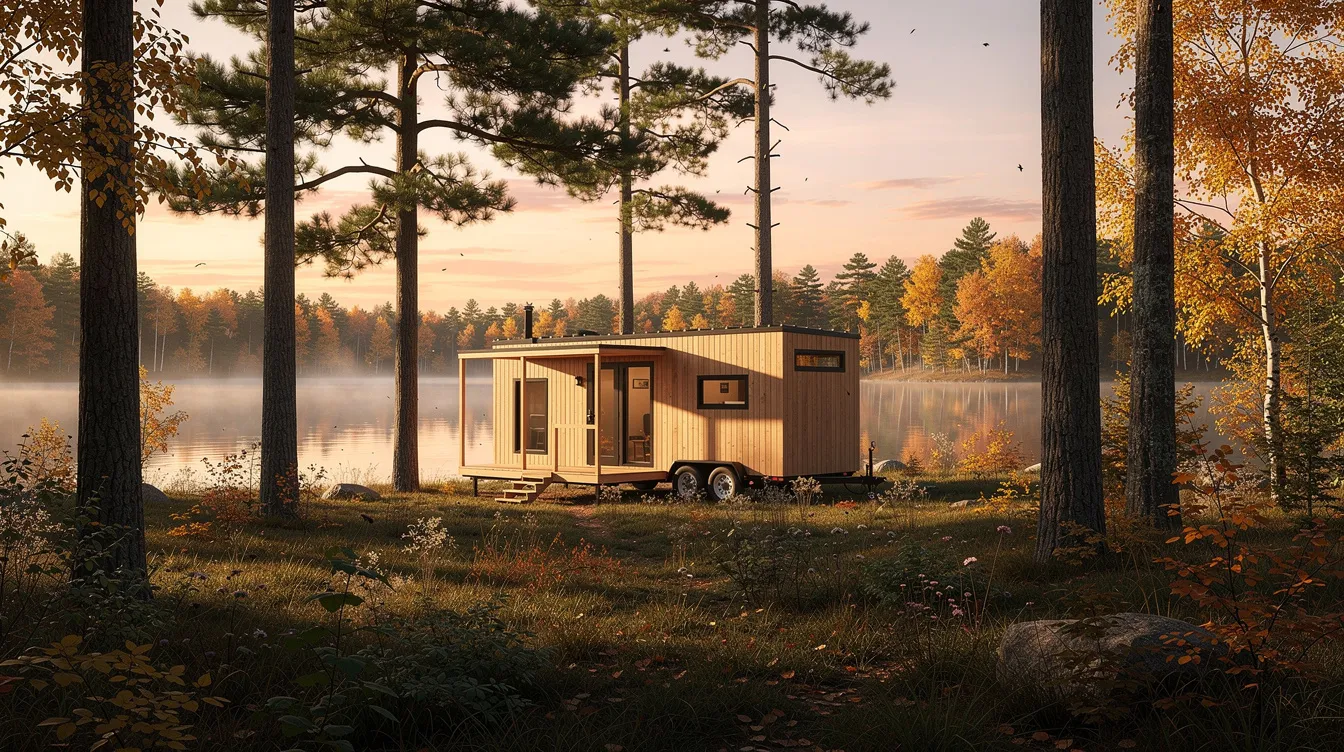
Special Case: Briley Township's "Economy Efficient Dwelling" Ordinance
Briley Township is often cited nationally because it wrote tiny-house-friendly regulations directly into its zoning code as "Economy Efficient Dwellings" (EEDs). Located in Montmorency County in northern Michigan, this small township created a model that advocates now reference when proposing similar ordinances elsewhere.
Core EED requirements:
Size range roughly 240–500 square feet
Permanent foundation meeting frost line depth
Connection to approved septic or sewer and water systems
Recognized as a legal dwelling unit in the residential zoning district (§500) and two rural/agricultural districts (§600 and §700)
Permitted by right - no special use permits or variances required
The 2024 amended zoning ordinance also includes design standards such as minimum room dimensions, roof pitch expectations, and off-street parking requirements, giving tiny homeowners a clear checklist rather than ambiguous guidance.
While Briley is just one township, its EED model demonstrates that Michigan's local zoning system can work in favor of tiny houses when a community is willing to write explicit, supportive language into its ordinances.
Urban Examples: Detroit, Ann Arbor, Grand Rapids, and Kalamazoo
Large Michigan cities approach tiny houses mostly through ADUs, nonprofit projects, and pilot programs rather than blanket citywide legalization.
Detroit
Tiny Homes Detroit provides affordable housing for low income residents through Cass Community Social Services. Their tiny home village features 250–400 square feet houses on individual lots with lease-to-own models, demonstrating how tiny houses can fit within urban zoning via special approvals. This project directly addresses rising housing costs by creating permanent homes for residents who might otherwise be priced out.
Ann Arbor
Ann Arbor allows small ADUs down to 225 square feet, with strong demand from students and professionals. City planning documents explicitly mention tiny houses as part of its affordable housing toolkit. The city's approach makes it one of the most progressive urban options for tiny living in Michigan.
Grand Rapids
Grand Rapids permits detached ADUs meeting MRC standards. Hope Village in Grand Rapids plans to build 16 tiny homes as part of a mission-driven community. These projects show how the tiny house movement can address real housing needs in mid-size cities.
Kalamazoo
Kalamazoo has explored sub-300 square feet tiny homes through nonprofit partnerships, including Habitat for Humanity micro-home pilots. These serve as both transitional and permanent housing within conventional residential zones.
Tiny home communities in Michigan focus on affordable housing solutions. These urban models prove that the tiny house movement isn't just a rural phenomenon - it's reshaping how cities think about density and affordability.
Tiny House Communities and Resorts in Michigan
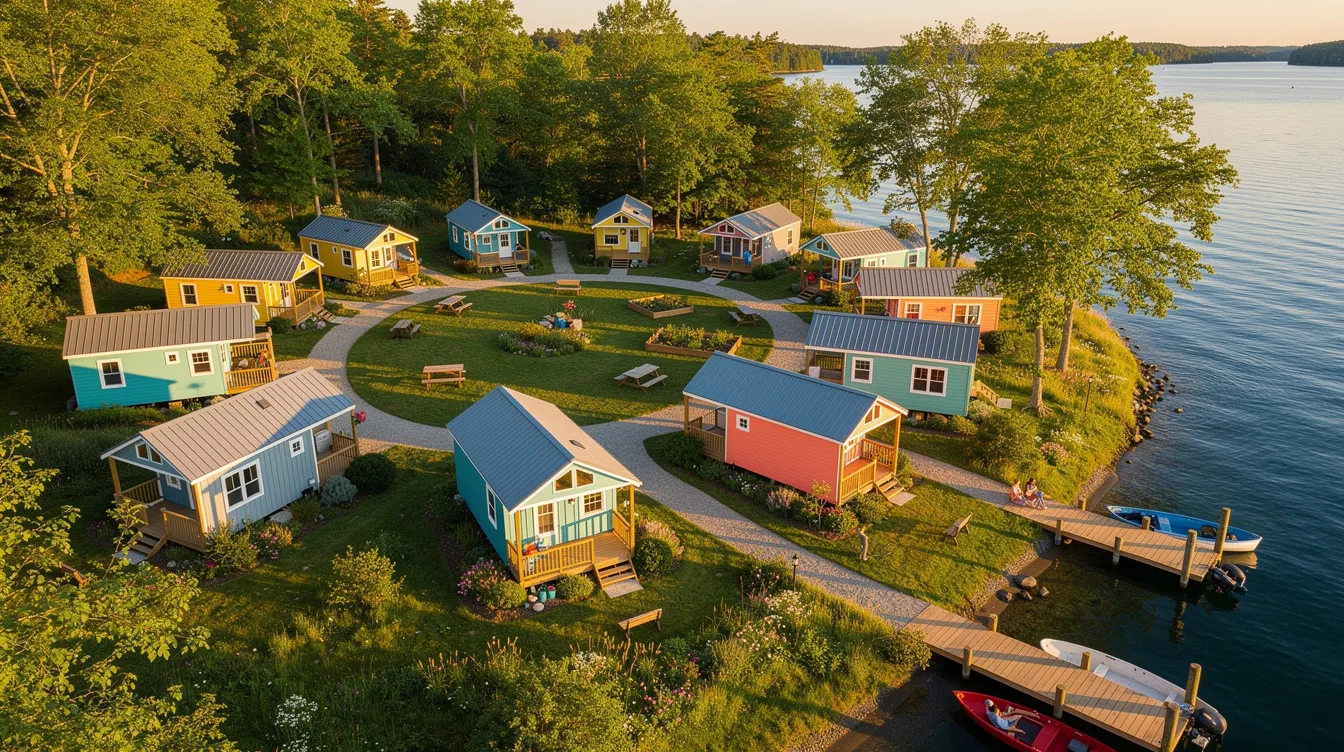
Beyond individual lots, Michigan has growing options for tiny house community living, from resort-style cottage estates near lakes to mission-driven villages in cities. Tiny home communities promote sustainability and shared resources.
Traverse Bay Cottage Estates
Traverse Bay Cottage Estates offers resort-style living near Traverse City. Located near Williamsburg, the community features amenities like a clubhouse, pool, spa, and sports courts. Its focus on park model and small cottage living makes it one of the most established tiny home community destinations near northern Michigan's Grand Traverse Bay. The Traverse Bay RV Resort area nearby also provides options for THOW placement.
Huron Shores
Huron Shores features 1,000 feet of sandy beach in Port Sanilac. This lakeside community blends RV park amenities with seasonal or year-round park model occupancy, making it ideal for tiny living with shared facilities and Lake Huron beach access.
Other community models:
Cottage estates marketed as tiny house community or park model resorts
Nonprofit-driven villages like Detroit's Cass Community
Hope Village in Grand Rapids
Each community has its own rules about minimum and maximum unit sizes, year-round vs. seasonal occupancy, and whether you must use RVIA-certified units. TinyHomeMap's directory includes listings for these types of communities across Michigan.
Where Can You Legally Put a Tiny House in Michigan?
"Where can I put it?" is really about matching your tiny home type with a zoning district that allows that use. Tiny houses intended for residential use in Michigan must meet local zoning requirements as well as state laws.
Main legal placement options:
| Tiny Home Type | Legal Placement Options |
|---|---|
| Foundation tiny house | Own lot in friendly township (primary dwelling); same lot as primary dwelling (ADU) |
| THOW | Licensed RV park; seasonal campground; mobile home parks accepting THOWs |
| Park model | Licensed campground; cottage estates; RV parks accepting ANSI A119.5 units |
Density considerations:
Most single-family residential zones allow one primary dwelling plus one ADU
Higher-density or PUD/tiny home development districts can allow multiple small dwelling units on shared land
Muskegon's THD allows planned unit developments composed exclusively of tiny homes
Confirm allowed uses by zoning district code name (R-1, R-2, Agricultural, Rural Residential) and not by real estate listings alone. A listing that says "tiny-home-friendly" means nothing unless the local zoning department confirms it. Use TinyHomeMap's land listings that are already tagged for tiny home use as a starting point, then verify with the local zoning office.
Mobile Home Parks, Cottage Estates, and Park Model Cabin Rules
Mobile home parks in Michigan are regulated under specific state laws, and many are open to RVIA-certified park model cabins under 400 square feet meeting ANSI A119.5 standards.
Cottage estates-style communities are hybrid parks that intentionally market to park model and tiny house residents. They often offer full hookups, clubhouses, trails, and sometimes age restrictions or HOA rules.
Questions to ask park managers before committing:
What are the minimum and maximum unit sizes?
Are non-RVIA tiny houses allowed, or only certified units?
Is year-round living permitted, or seasonal only?
What is the monthly lot rent?
Are decks, skirting, and exterior modifications permitted?
Can you establish the park as your permanent residence for mail and tax purposes?
Park living is usually the easiest legal route for a THOW or park model in Michigan. However, tiny house owners sacrifice some autonomy compared with owning private land, and resale value can be tied to park policies and lease terms.
Common Legal Pitfalls: Agricultural Land, "Off-Grid" Cabins, and Under-the-Radar Parking
Many Michigan buyers assume agricultural zoned land or deep-woods property means they can ignore permitting and live in a tiny house off-grid. This is usually not true.
Pitfalls to avoid:
Agricultural zoning is not a loophole. Michigan's Right to Farm Act does not exempt residential structures from zoning ordinances or building codes. Agricultural land still has residential use rules, and any dwelling must meet the county ordinance for that district.
Unpermitted THOW parking. Parking a THOW full-time behind a friend's barn on private land without permits can lead to zoning enforcement, fines, required removal, or denial of future permits on that parcel.
"Farm worker housing" misuse. Using tiny homes as migrant worker housing requires special state licensing and compliance with strict health and safety standards. It is not a loophole for general tiny living.
Composting toilets and septic. Even if you plan to go off-grid, most counties require an approved septic system or alternative wastewater system. Local health department approvals may be needed for private wells and septic systems for tiny homes.
The safest approach is always to get written confirmation from your local zoning department and building department before placing any tiny home - wheeled or foundation - on any property.
Permits and Inspections for Tiny Houses in Michigan
Any tiny house used as a dwelling with sleeping and plumbing almost always triggers permits in Michigan if it's on a foundation. Building permits are required for tiny homes in Michigan. Three permits are usually needed: building, electrical, and septic. Zoning approval is required before obtaining a building permit.
Permit sequence for foundation tiny homes:
Zoning approval or site plan review from the local zoning office
Building permit application with construction drawings submitted to the local building department
Trade permits: electrical, plumbing, mechanical
Foundation inspection
Framing and insulation inspections
Final occupancy inspection
Tiny house construction approvals often need to pass local inspections regarding foundation, safety, and utilities. Tiny homes must pass inspections to be approved as permanent residences. Septic systems and connections to water and sewer are often required for tiny homes intended for permanent occupancy.
For THOWs registered as RVs, the state does not usually inspect the build itself. However, RV parks and some municipalities may require RVIA certification or independent inspections for safety and insurance purposes.
Use Michigan-licensed contractors or certified tiny home builders who are already familiar with the MRC and local snow-load and frost-depth requirements. This reduces permit friction significantly compared with out-of-state builders unfamiliar with Michigan's climate-specific local regulations.
Tiny House Costs and Typical Budgets in Michigan
Tiny homes in Michigan typically cost between $30,000 and $100,000 for the structure itself. High-end tiny homes can cost between $90,000 and $150,000 with premium finishes, custom cabinetry, and high-efficiency systems.
But the structure is only part of the story. Here's a realistic budget breakdown:
| Cost Category | Typical Range |
|---|---|
| Land acquisition (rural Michigan) | $10,000–$50,000 |
| Land acquisition (near Ann Arbor/Grand Rapids) | $40,000–$150,000+ |
| Site work (driveway, well, septic, utilities) | $15,000–$40,000 |
| Tiny house build or purchase | $30,000–$100,000 |
| High-end tiny house | $90,000–$150,000 |
| Transport (THOW delivery) | $2,000–$8,000 |
| Permits and inspections | $1,500–$5,000 |
| Monthly lot rent (RV park/community) | $300–$800/month |
| Utility bills (monthly average) | ~$50/month |
Utility bills for tiny homes average around $50 per month, one of the most compelling financial arguments for tiny living.
THOW in an RV park means higher monthly lot rent but lower upfront land costs. Foundation tiny house as a primary dwelling means higher upfront investment in land and utilities but lower ongoing costs and more equity. The comparison with a traditional house makes the cost savings clear: even at the high end, a tiny home with land costs a fraction of a median Michigan home.
TinyHomeMap's listings allow filtering Michigan tiny homes, park models, and land by price range, square footage, and whether utilities are already available.
Using TinyHomeMap to Find Legal Tiny House Options in Michigan
TinyHomeMap is designed specifically to solve the "where can I put this?" problem. The platform aggregates tiny homes for sale and rent, land, builders, and communities globally - including Michigan-focused listings.
How to use it:
Filter the interactive map by state (Michigan)
Select categories: "tiny home communities," "land for tiny homes," "park model/RV-friendly parks," or "tiny homes for sale"
Compare listings by price, square footage, and utility availability
Cross-reference promising listings with zoning information from local authorities
Builders, mobile home parks, and cottage estates operators in Michigan can also submit their tiny-house-friendly properties to TinyHomeMap for additional exposure to buyers actively searching for legal parking and building sites.
TinyHomeMap is a directory only and does not intermediate transactions. Users must still confirm current zoning regulations and park rules directly with local authorities and sellers.
Step-by-Step Checklist Before You Build or Buy Land in Michigan
Follow this sequence to avoid the most common legal and financial mistakes:
Decide your home type: THOW, park model, or foundation tiny house
Narrow target locations: Use the tiny-friendly townships and counties listed in this guide as starting points
Review local zoning ordinances: Download zoning PDFs from municipal websites; search for minimum square footage, ADU rules, and allowed uses
Call the zoning administrator: Ask specific questions about your planned home size, type, and intended use
Verify utilities: Confirm availability and cost of water, sewer/septic, and electrical connections
Check with the county health department: Required for private wells and septic systems
Get quotes from Michigan-licensed builders: Ensure they're familiar with MRC and local requirements
Apply for zoning approval first, then building permit
Document everything: Save emails, record names and dates of phone calls with officials
Only then commit financially to land, a build, or a park lease
Document all communications with local officials. If staff changes, your written record of what was allowed at the time you applied becomes invaluable.
Use TinyHomeMap as a parallel research tool while following this checklist. Cross-reference promising listings with the zoning information you uncover independently.
High-Quality Photography Ideas to Support This Article
Strong visuals help readers imagine legal tiny living in Michigan's specific context of forests, lakes, and four-season climate. Here are the types of images that best support this content:
Aerial shot of a lakeside tiny house community or cottage estates with park models and shared amenities
Winter scene showing a well-insulated tiny house with snow on the roof, highlighting MRC-level construction quality
Close-up of a loft with egress window and code-compliant stairs, illustrating Appendix Q concepts
Streetscape of an Ann Arbor or Grand Rapids neighborhood with a subtle, modern ADU tucked behind a principal structure
Interior of a 250–300 square feet THOW set up in an RV park with full hookups visible
Images should be high resolution, show Michigan-specific details like snow load roof design and porch skirting, and include descriptive alt text for accessibility.
Frequently Asked Questions About Michigan Tiny House Laws
These FAQs address nuanced questions that often come up after understanding the basics of Michigan tiny house regulations. Each answer includes Michigan-specific details rather than generic tiny house advice.
Can I Use a Tiny House in Michigan as My Primary Residence?
A tiny house can serve as a legal primary residence in Michigan only if local zoning allows a dwelling of that size in that zoning district and if the unit passes all required inspections. Foundation tiny homes in Mecosta County or Briley Township's economy efficient dwellings can serve as primary residences because local zoning explicitly permits them. A THOW parked on a friend's driveway in Ann Arbor generally cannot be a legal permanent residence. Primary-residence status also affects property taxes, homestead exemptions, and mailing addresses - all of which rely on local recognition of the structure as a legal dwelling.
How Many Tiny Houses Can I Put on One Lot in Michigan?
The number of tiny houses allowed is governed by the zoning district's density rules and definitions of dwelling units, not by each tiny house's physical size. Most single-family residential zones allow one primary dwelling plus one ADU on the same lot. More than that generally requires multifamily zoning, a Planned Unit Development, or a special tiny home development district like Muskegon Township's. Ask your local planning staff specifically about "maximum dwelling units per acre" and "ADU allowances."
Can I Rent Out My Tiny House in Michigan (Long-Term or Short-Term)?
Long-term rentals of a code-compliant tiny house or ADU are usually allowed where residential rentals are permitted, but local landlord-tenant and registration rules still apply. Short-term rentals face additional restrictions - Ann Arbor, Grand Rapids, and Traverse City all have evolving short-term rental local zoning ordinances that affect tiny homes just like larger houses. Check both zoning laws and any specific short-term rental ordinances before counting on nightly rental income.
Do I Need an RVIA-Certified Builder for a Tiny House on Wheels in Michigan?
Michigan law does not mandate RVIA certification in all cases. However, many RV parks, insurance companies, and lenders require RVIA or equivalent ANSI A119.5 compliance for THOWs and park models. Using an RVIA-certified builder makes it significantly easier to place a THOW in Michigan RV parks and mobile home parks and reduces friction when registering the unit and obtaining insurance. Confirm specific requirements with your intended park or the local zoning department before commissioning a custom non-certified build.
Is Off-Grid Tiny Living Legal in Michigan If I Have Solar and Composting Toilets?
"Off-grid" in Michigan is only legal when the tiny house still meets local health and safety codes. Most counties require an approved septic system or alternative wastewater system, even if you use composting toilets. Solar panels are generally allowed, but building and electrical permits may still be needed. Connecting to a private well instead of municipal water requires health department approval. Simply being off utility grids does not remove the need for permits. Coordinate with both the building department and county health department for any off-grid tiny house plan on private land in Michigan. South Carolina and some other states have different frameworks, but Michigan's approach requires local compliance regardless of utility independence.
Michigan's tiny home landscape is evolving quickly. Townships that once seemed hostile to small dwellings are increasingly writing tiny-friendly zoning ordinances. The key to legal tiny living in Michigan is matching your home type to the right municipality before you spend a dollar on land or construction.
Start by exploring TinyHomeMap's Michigan listings to find communities, land, and tiny homes that are already positioned in friendly jurisdictions. Then verify everything with your local zoning office. The tiny house movement is gaining ground in Michigan - make sure you're building on solid legal footing.
Related articles
More guides that dig deeper into the same topics.
Ready to start searching?
Browse tiny homes, plans, builders, communities and land on the interactive map.
Explore the map