Lifestyle
Retiring in a Tiny Home: Downsizing After 60
6 min read · Updated December 17, 2025
By John
Single-floor living, accessible lofts and lower bills — how to make a tiny home work for retirement, and where it doesn't.
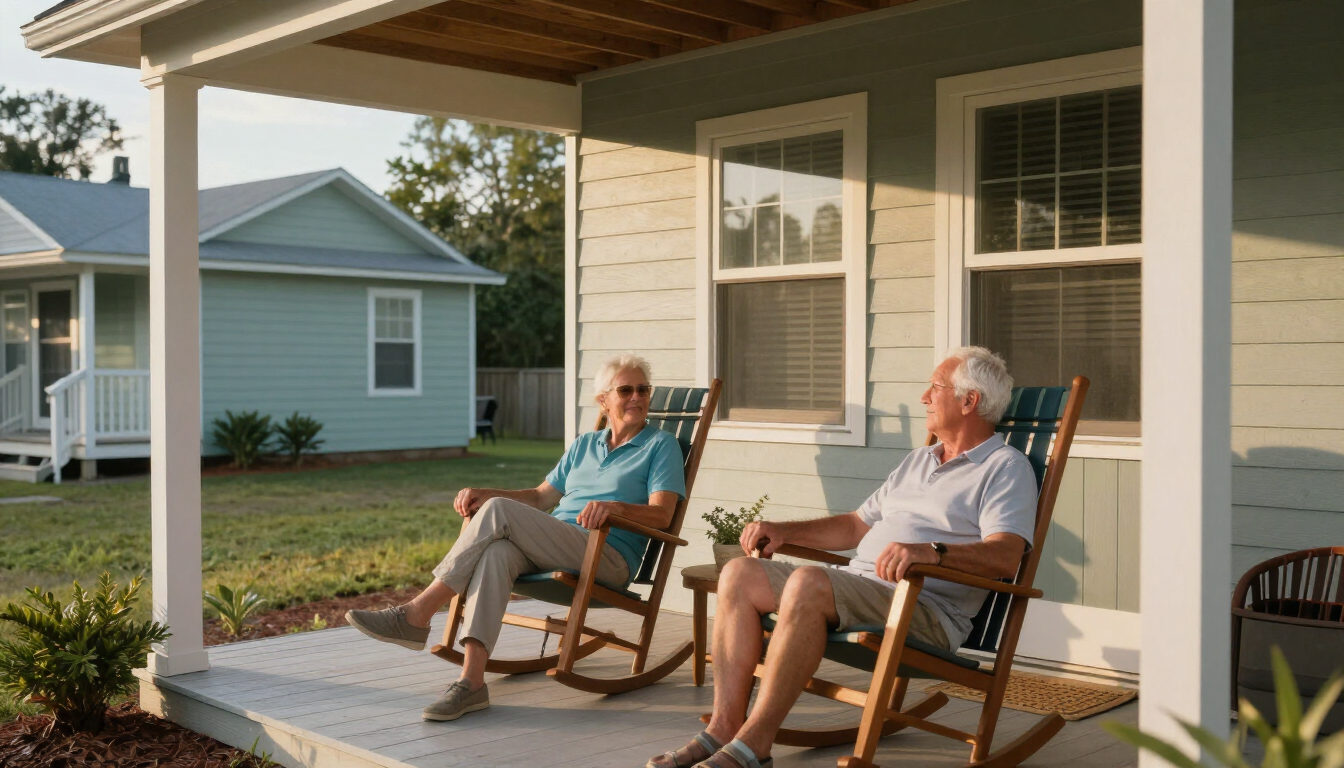
Why retirees are drawn to tiny homes
A paid-off tiny home on leased land can drop monthly housing costs to $400–$900 — freeing up a fixed income for travel, family and healthcare. Downsizing also means less to clean, heat and maintain. For empty-nesters, the appeal is part financial, part liberation from a house that no longer fits. Browse tiny homes for sale and communities to see retiree-friendly options.
Design for aging in place
The single most important decision is avoiding a sleeping loft. Climbing a ladder at 75 is a fall risk; design a single-floor bedroom or a stair with storage drawers and a railing. Widen doorways to 32 in for a future walker or wheelchair, install a curbless shower, and place outlets at a comfortable height. See our bathroom ideas for accessible wet-room designs.
Community vs solo
Many retirees prefer a tiny-home community or 55-plus park for built-in neighbors and shared maintenance over isolated rural land. A community also handles the zoning and utilities. Compare the all-in monthly cost of a
The honest limitations
A tiny home is not a good fit for a retiree who needs regular in-home care, hosts extended family, or has significant mobility limits — 200 sq ft leaves no room for a caregiver or a hospital bed. It also complicates estate planning (a THOW is personal property, not real estate). Pair the decision with our
Related articles
More guides that dig deeper into the same topics.
Ready to start searching?
Browse tiny homes, plans, builders, communities and land on the interactive map.
Explore the map