What States Will Pay You to Build a Tiny House? (Grants, Rebates & Incentives in 2026)
18 min read · Updated October 16, 2026
By John
If you've been wondering what states will pay you to build a tiny house, the short answer is: several do, though the money almost always flows through ADU programs rather than tiny-house-specific grants. As of late 2026, New York, Vermont, Hawaii (Maui County), Massachusetts, and Colorado each run active programs that put real money - or major cost relief - into the hands of property owners who build small backyard dwellings. California's statewide grant fund is currently depleted, but its regulatory climate and city-level perks keep it on the list. And states like Oregon, Texas, and North Carolina earn honorable mentions for zoning friendliness and local pilot incentives.
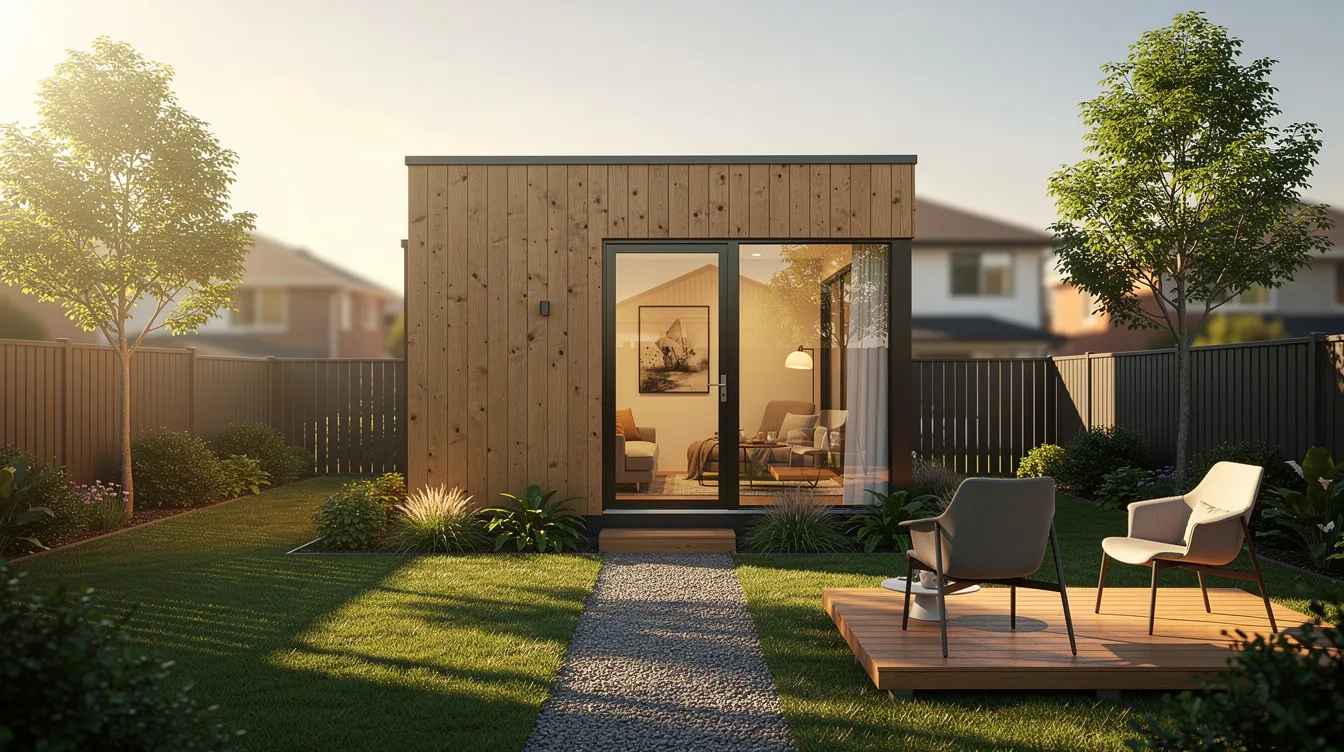
Most homeowner-focused financial assistance aims to help design and build backyard ADUs - accessory dwelling units defined as permanent, foundation-built tiny homes or backyard cottages. State-sponsored financial programs are more common for small secondary structures like ADUs than standalone tiny homes, and grants for building tiny homes are often tied to broader affordable housing initiatives. Many states provide financial incentives for building accessory dwelling units, and communities often run financial programs for affordable housing initiatives like ADUs. That means if you want a state to help pay for your dream home in miniature, you'll likely need to meet income limits, commit to renting the unit affordably, and comply with local building codes.
TinyHomeMap is a global directory where you can find builders, tiny home communities, and land in areas with these incentives - but this guide is focused squarely on the information you need first. All dollar amounts, dates, and eligibility details are current through late 2026. Programs can close or refill funding mid-year, so always verify before you apply.
How We Chose the "Best" States That Pay You to Build a Tiny House
Not all programs are created equal. The best states on this list are the ones with meaningful, active incentives in 2025–2026 that a typical homeowner or small landlord can realistically access - programs that either give you money or remove major costs tied directly to building a tiny house or ADU-scale dwelling.
Key Evaluation Criteria
Here are the concrete factors we used to evaluate and rank states:
Funding amount: We compared maximum per-unit awards. New York's Plus One ADU Program offers up to $395,000 per grantee, Maui County provides grants up to $100,000 for ADUs, and Vermont homeowners can receive up to $50,000 for ADUs. Higher support matters because real new construction costs in 2026 regularly exceed $100,000 even for small units.
Program stability: We considered how long programs have been active and whether new funding is appropriated through at least FY2027. Rolling applications beat one-shot competitive rounds.
Eligibility and accessibility: Access to local programs or grants typically requires meeting certain income limits and affordability criteria. We prioritized programs where homeowners can apply directly rather than waiting for a city to opt in.
Regulatory friendliness: Many programs require compliance with local zoning and building codes. States with ADU-by-right laws and simplified permitting scored higher. Funding often varies based on local jurisdiction and specific project requirements.
Support ecosystem: We factored in availability of tiny home builders, pre approved plan libraries, and financing partners. TinyHomeMap's listings make it easier to see where ecosystems are already active.
Value beyond cash: Jurisdictional incentives may include property tax exemptions and utility fee waivers for ADUs. Grants may cover construction-related costs such as architectural design and permits. For many homeowners, speed-to-permit can be as valuable as several thousand dollars in cash.
The 7 Best States That Effectively Pay You to Build a Tiny House in 2026
This ranking focuses on state-level or state-backed programs, with notable county and city deals included when they materially change the picture. "Tiny house" here means a small accessory dwelling unit, detached backyard cottage, or modest infill dwelling - not a vehicle-class THOW on wheels.
Each profile covers how the program works, who qualifies as eligible applicants, how much money is available, and what trade-offs to expect.
1. New York – Big Grants via Plus One ADU (Up to Six Figures per Project)
New York's Plus One ADU Program is among the most generous in the country, with the state allocating $85 million for creating and upgrading ADUs. New York's Plus One ADU Program offers up to $395,000 per grantee, making it possible for homeowners to build a tiny home with minimal out-of-pocket cost in participating areas.
Why It Stands Out
New York channels state money through municipalities and nonprofits, who in turn help homeowners design and build ADU-style tiny homes on their property. The combination of cash, technical assistance, and pre-screened contractors can cover much of the upfront construction gap for lower- and middle-income property owners.
Best For
Homeowners in small cities and suburbs - Hudson Valley, Long Island, upstate - where local governments have already secured Plus One funding.
Households under specified AMI caps planning to rent the tiny home to local workers, seniors, or family members.
Key Strengths
High per-unit grant amounts covering design, all the permitting, and part of construction.
Technical support from municipal or nonprofit partners well versed in local codes.
Alignment with broader statewide housing targets, making future renewals likely.
Possible Limitations
Homeowners can't usually apply directly; they must work through approved local programs.
Obligations to rent at restricted rates for several years can limit flexibility.
Availability is patchy: some towns participate heavily while others have no program at all.
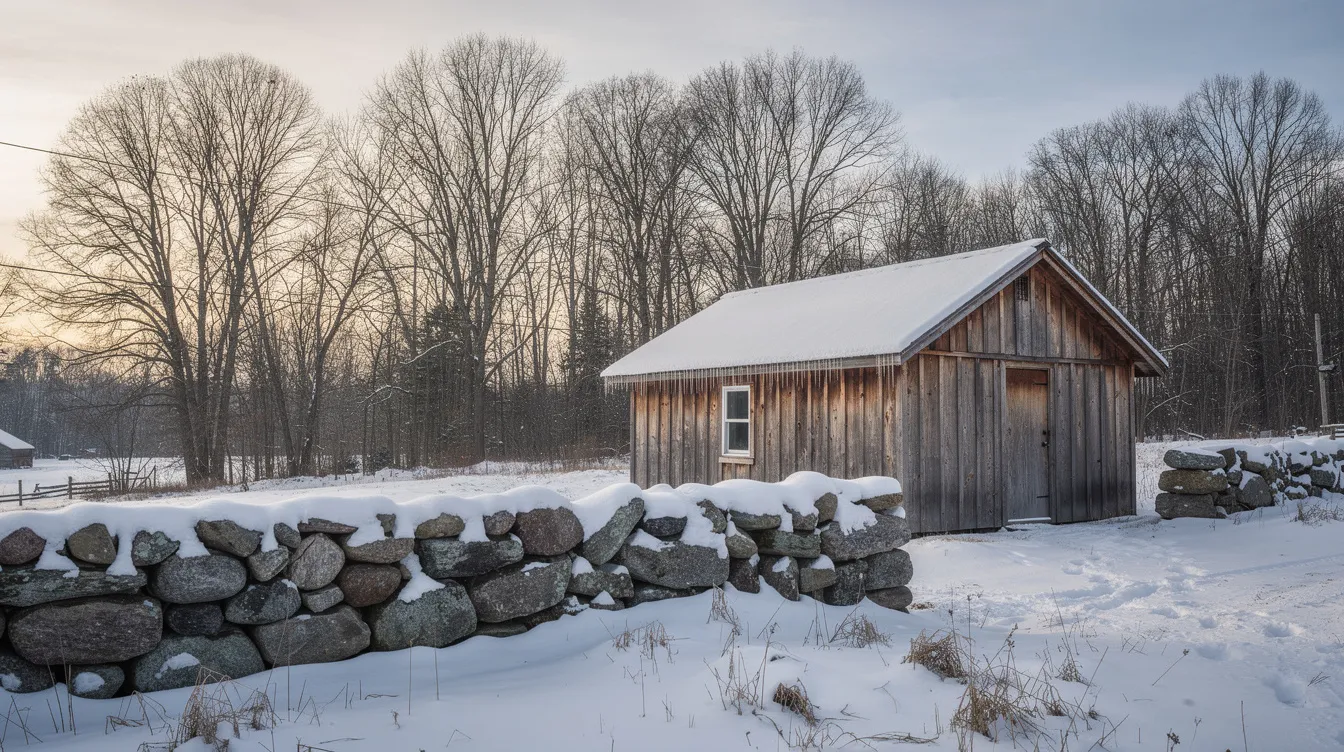
2. Vermont – Housing Improvement Program (Up to $50,000 per Tiny Unit)
Vermont's Housing Improvement Program (VHIP 2.0) funnels grants - often up to $50,000 per unit - through regional housing organizations to fund ADUs, small backyard cottages, and conversions. As of early 2026, the program has awarded roughly $18.1 million covering about 398 completed units, with an average award of approximately $46,000.
Why It Stands Out
Vermont is explicit about funding tiny, rental-oriented backyard units to address workforce and rural housing shortages. Grants can also cover rehab of existing small structures - garages, barns, outbuildings - into code-compliant tiny dwellings. The state even allows ADUs by right, removing zoning obstacles before construction starts.
Best For
Owner-occupants in small towns and rural areas with underused lots or outbuildings.
Small landlords looking to add one ADU without taking on large debt.
Key Strengths
Generous grants relative to Vermont's lower average cost of construction.
Statewide coverage through five regional partners so most counties have a clear point of contact.
Flexibility to use funds for both new tiny structures and major rehabs of an existing home or outbuilding.
Possible Limitations
Competitive application process; funding rounds can close quickly.
Requirements to rent to income-qualified tenants and keep units in long-term rental use.
Cold climate adds extra cost for insulation that grants may not fully cover.
3. Hawaii (Maui & Kauaʻi) – Island Counties Offering Five- and Six-Figure Tiny Home Support
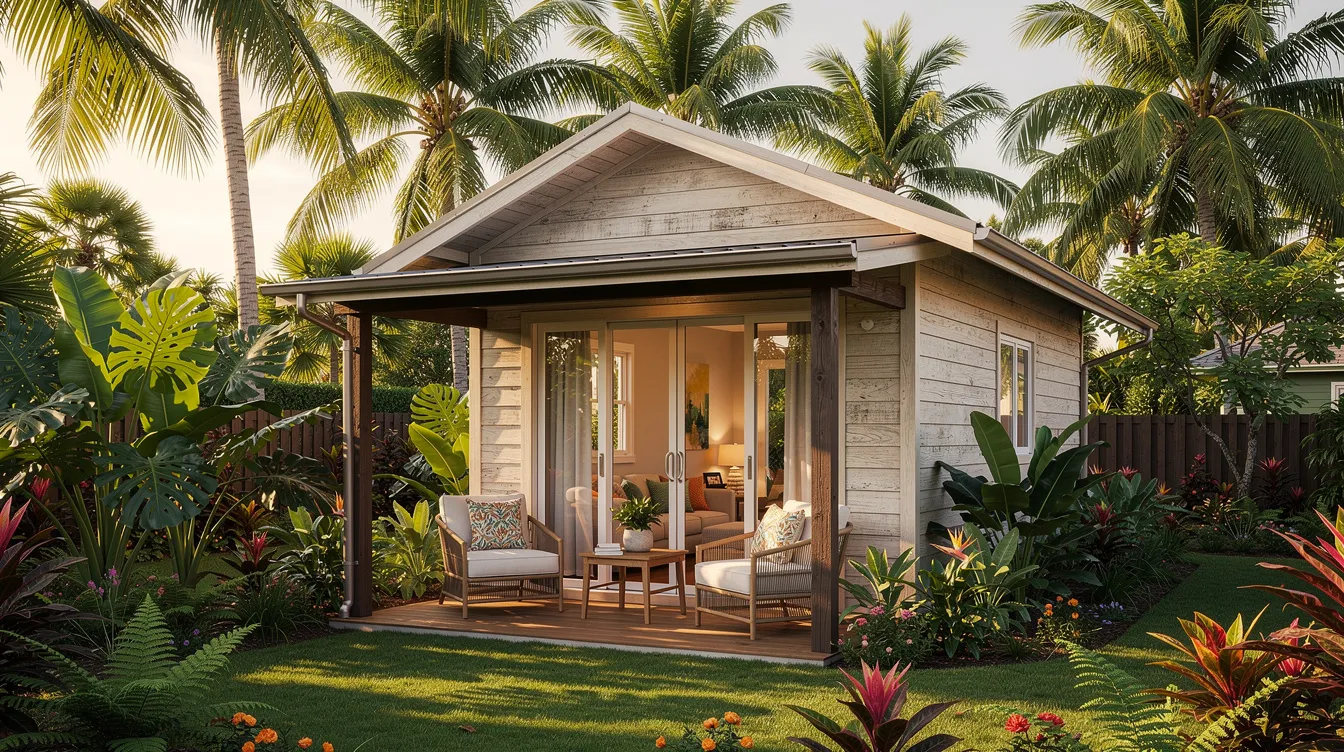
Maui's ʻOhana Assistance Program offers grants up to $100,000 for resident property owners to build accessory dwellings. Kauaʻi's Affordable Additional Rental Unit (ARU) incentives add significant fee waivers on top of direct financial support.
Why It Stands Out
Hawaii's ʻOhana Assistance program offers up to $100,000 for ADUs, directly offsetting ultra-high island construction costs to make tiny ADU-style homes financially viable for local families. In-kind incentives like impact fee waivers can equal tens of thousands more in savings.
Best For
Owner-occupants with land on Maui or Kauaʻi willing to rent long-term to local workforce tenants.
Multi-generational families needing a detached ʻohana unit, embracing multigenerational living while meeting affordable rent commitments.
Key Strengths
Very large per-unit grant ceilings compared to most mainland grant programs.
Fee waivers and streamlined building permit processes for qualifying tiny units.
Culturally accepted concept of ʻohana living, making neighborhood resistance lower than elsewhere.
Possible Limitations
Geographically limited to specific counties; no statewide program.
Strict affordability rules and long-term rent commitments.
High baseline construction and material costs even after incentives - running utility lines and site preparation on island terrain add up.
4. Massachusetts – Early-Stage ADU Incentive Program with Planning Support
Massachusetts launched its statewide ADU Incentive Program in mid-2026, committing close to $15 million in total funding. Massachusetts pays up to $500 for ADU feasibility studies, and MassHousing offers loans up to $250,000 for detached ADUs and $150,000 for attached ones.
Why It Stands Out
The core value is regulatory certainty: most homeowners outside Boston now have the right to build an ADU-sized tiny unit as a matter of law. The planning grants lower the risk of early design work and encourage more residents to seriously explore tiny home living.
Best For
Suburban homeowners interested in stable housing for family members in a backyard cottage.
Those willing to pay most construction costs but needing help with feasibility and navigating local zoning ordinances.
Key Strengths
Clear, statewide right to build ADUs in many communities.
Modest subsidies for pre-construction studies that reduce design mistakes.
Strong market for tiny home builders and prefab ADU companies in New England.
Possible Limitations
Direct cash support per project is low compared with New York or Vermont.
Program is still in early phases, so best practices are evolving.
Local zoning overlays and historic districts can still complicate specific lots and inspections.
5. Colorado – Rolling Out State-Backed ADU & Tiny Infill Support
Colorado's HB24-1152, effective May 2024, mandates ADU-by-right in subject jurisdictions and establishes a state grant program. Colorado allocated $5 million for ADU grants in 2024 through its Fee Reduction and Encouragement Grant Program, plus $8 million to CHFA for interest-rate buydowns and loan products targeting low- and moderate-income borrowers.
Why It Stands Out
Colorado is rapidly normalizing ADUs and backyard cottages across Front Range and mountain communities. While grants often flow first to cities and counties, homeowners benefit through subsidized loans, lower rates, and simplified permitting once jurisdictions are certified as ADU-supportive. Colorado's ADU Grant Program offers $5 million for jurisdictions to build ADUs at scale.
Best For
Existing homeowners in Denver metro, Fort Collins, Colorado Springs, and resort towns where local governments actively use state funds.
Owners who can qualify for loans but want lower lifetime interest cost on a tiny home build.
Key Strengths
Combination of regulatory reform and financial incentives rather than one-off grants.
Support for both attached and detached tiny units, including garage-top studios - no minimum lot size barriers in many certified areas.
Robust demand for small rental properties among students, service workers, and seasonal staff.
Possible Limitations
Most assistance is indirect (cheaper financing), not large upfront cash grants.
Homeowners must live in participating "ADU Supportive Jurisdictions."
Funding cycles and government timelines can feel slow.
6. California – A Leader in ADUs, but State Grant Funds Currently Depleted
California previously allocated $40,000 for ADU pre-construction costs through a statewide grant program, but that fund is exhausted as of 2026. Despite this, the regulatory climate and local incentives still make California one of the best states for tiny ADU-style homes.
Why It Still Matters
State laws legalize ADUs in most residential zones, cap some fees, and effectively "pay" homeowners through regulatory relief. Several cities - Los Angeles, San Diego, Oakland, San José, and San Francisco - offer their own small grants, fee waivers, or pre approved plans that substantially cut the cost of a tiny build.
Best For
Homeowners in high-rent big cities where even an unsubsidized ADU can cash-flow strongly as a rental.
Owners willing to navigate local ADU programs to capture scattered but real subsidies.
Key Strengths
Highly mature ADU market with many prefab and tiny home builders.
Strong rental demand for small, energy-efficient infill units and living space.
Established library of pre approved plans and streamlined permitting in multiple cities.
Possible Limitations
No active statewide grant pot as of late 2026.
Construction, labor, and land costs are among the highest in the U.S.
Some HOA rules and fire/parking standards may still constrain specific properties.
7. "Tiny-Friendly" Runner-Ups: Oregon, Texas & North Carolina
These states don't currently write big grant checks but offer meaningfully tiny home friendly policies and some local incentives.
Why They're on the Radar
Oregon: Permissive ADU policies in several cities like Portland, Salem, and Eugene, impact-fee waivers in some years, and growing cottage cluster regulations make it easy to build a tiny house.
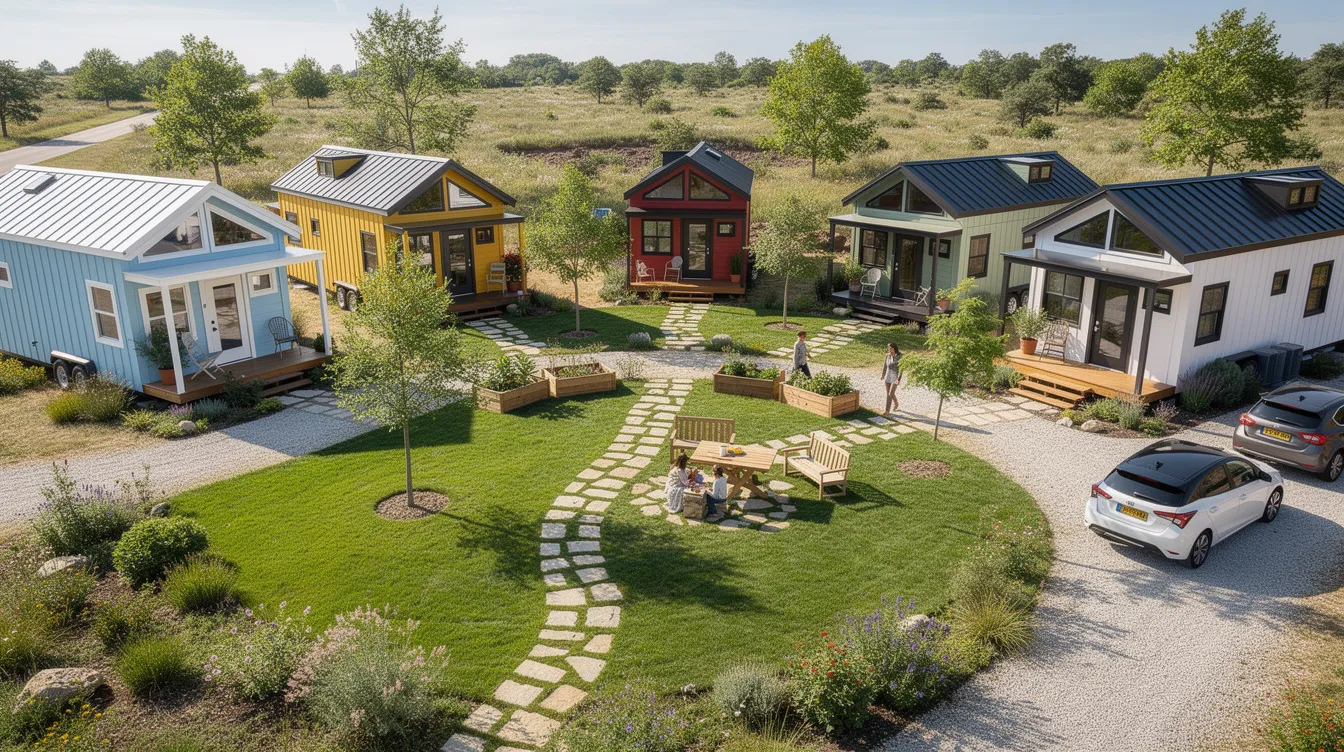
Texas: Tiny home communities like Spur's "tiny house friendly" designation, Austin micro-villages, and some city or nonprofit-led financial support for supportive-housing style tiny villages. A concept of community development through small housing is gaining traction.
North Carolina: Increasing acceptance of small cottages and ADUs in Asheville, Raleigh, and Charlotte, with occasional local fee rebates or pilot infill programs.
Best For
DIY-minded owners who value regulatory openness and lower baseline costs more than direct grants.
People seeking tiny home communities or parks where infrastructure is already in place, and who may even have space for a vegetable garden.
Key Strengths
Generally lower land and construction costs than coastal metros.
Several established tiny home and park model manufacturers.
Local governments experimenting with village-style tiny housing for workforce and supportive housing.
Possible Limitations
Lack of robust statewide grant programs; most help is local and limited.
Rules can vary dramatically by county and even neighborhood.
Some areas still treat tiny homes on wheels as RVs, limiting where they can be parked long term.
Quick Comparison of the Best States That Pay You to Build a Tiny House
Here's a scan-friendly overview of who each state is best for:
New York – Best for income-qualified homeowners in participating towns who want deep grants and strong technical help. Interested readers should check if their city has opted in.
Vermont – Best for rural and small-town owners converting outbuildings or adding backyard cottages with up to ~$50,000 in help.
Hawaii (Maui & Kauaʻi) – Best for island residents facing high building costs who can commit to long-term affordable rentals.
Massachusetts – Best for suburban owners outside Boston who value clear ADU rights and planning support more than large grants.
Colorado – Best for owners in ADU-supportive cities who can benefit from cheaper financing and reform-driven permitting.
California – Best for homeowners in high-rent metros where an ADU pencils out even without active state grants.
Oregon / Texas / North Carolina – Best for DIY builders and tiny home enthusiasts focused on friendly zoning and community options.
Always double-check current program status before you start building. Use TinyHomeMap to find state- and city-specific builders and land.
How to Choose the Right State or Program for Your Tiny House
The "best" state depends on your financial goals, life preferences, and willingness to accept affordability or tenant restrictions. This isn't about moving blindly - it's about aligning where you live (or plan to buy property) with programs that match your plan.
Choose Based on Funding vs. Flexibility
High-subsidy states like New York, Vermont, and Hawaii require income-qualified tenants, rent caps, and long compliance periods. Lower-subsidy but high-flexibility states like Oregon, Texas, and North Carolina let you call the shots on how your tiny house is used.
Ask yourself: "Am I comfortable signing a 10-year affordability covenant?" or "Do I want the flexibility to use this as a personal studio or short-term rental later?" Your answer shapes your path toward financial independence through tiny home living.
Choose Based on Your Income and Tenant Plan
Many programs target owners under certain AMI thresholds or those renting to tenants below a specific income band. If you're a high-income household, you may benefit more from states that favor regulatory relief over grants. If your primary goal is stable, affordable housing for family members, a lower-rent requirement may not feel like a sacrifice at all.
State-sponsored housing initiatives often include down-payment assistance or low-interest loans that layer on top of grants. Federal programs like HUD HOME funds support affordable housing initiatives across various states, adding another potential resource. Personal loans for tiny homes range from $5,000 to $100,000, and home equity loans allow borrowing against existing home equity to fill any remaining funding gaps. Sketch a simple pro forma: build cost, expected rent, grant amount, and timeline to break even.
Choose Based on Tiny Home Type and Mobility
Most state incentives focus on foundation-built ADUs - the type most likely to qualify for housing grants. Very few states offer direct grants for tiny houses on wheels. THOWs are often treated as RVs, and RV loans are available for tiny homes on wheels, but they don't unlock the same grant programs. Park models or prefab cabins placed in tiny home communities or on leased pads fall somewhere in between.
If you want a highly mobile THOW, you'll rely more on tiny home friendly zoning in states like Texas and Oregon, and less on conventional housing grants. Down payment assistance programs help reduce initial financial burdens, and Operation Tiny Home offers down payment assistance for eligible applicants looking to own a tiny home regardless of type. Use TinyHomeMap filters to locate communities, builders, and land parcels that explicitly allow your preferred structure.
Which State or Program Is Best for You?
There is no single winner, but clear patterns emerge based on your goals:
Choose New York if you're income-eligible and want maximum financial support plus hands-on help from local partners.
Choose Vermont if you own property in a small town and want to turn a garage, barn, or side yard into a long-term rental cottage.
Choose Hawaii (Maui or Kauaʻi) if you're an island resident trying to offset high build costs while housing local workers or family.
Choose Massachusetts or Colorado if regulatory clarity and better financing matter more to you than big grants. Expect to pay more out of pocket but enjoy sustainable living with fewer strings attached.
Choose California if you're in a hot rental market where an ADU pencils out even with no statewide grant - and you can lean on local perks.
Choose Oregon, Texas, or North Carolina if your priority is finding tiny home communities, relaxed rules, and lower land costs.
Use TinyHomeMap to cross-check where incentives overlap with available builders, communities, and land listings.
Final Thoughts (and Next Steps with TinyHomeMap)
Programs change frequently. Before you expect to receive any grant, verify details with state housing agencies or local housing nonprofits. A Business Insider report or a Reddit thread from last year may reference numbers that have already shifted. The big picture remains consistent: most states that pay you do so through ADU-oriented grants, affordability deals, and fee waivers tied to renting your tiny house to local residents as part of community development efforts.
Choosing a state is only half the battle. Finding the right builder, land, or community is equally important - and that's where TinyHomeMap comes in. Search tiny homes, ADU builders, and tiny home friendly land in target states and cities on an interactive map. Filter by price, size, and features to match what local incentives will realistically support. Explore off-grid cabins, park models, and communities if your chosen state doesn't offer formal grants but has friendly zoning laws. Whether you're building a traditional home addition or a 400-square-foot backyard cottage, knowing what resources and space you have access to makes all the difference.
FAQ: Tiny House Grants, States & Incentives in 2026
These answers clear up common misconceptions about states paying you to build a tiny home.
What states currently offer direct cash or grant support for tiny houses? New York (Plus One ADU, up to $395,000 per grantee), Vermont (VHIP 2.0, up to $50,000), Hawaii's Maui County (ʻOhana Assistance, up to $100,000), Massachusetts (ADU planning support and loans), and Colorado (ADU grant and finance tools totaling $13 million in state funds). Each requires you to build ADUs and typically rent them affordably.
Will any state pay for 100% of my tiny house build? Full cost coverage is extremely rare. Most programs cover a fraction - design, permits, or rehabilitation. Plan on contributing savings, loans, or sweat equity alongside grants.
Do grants apply to tiny homes on wheels or only to foundation-built ADUs? Most state and municipal programs require tiny homes to be on a permanent foundation. Many programs forbid using subsidized ADUs as short-term rentals like Airbnb. Exceptions exist where tiny villages for supportive housing use park models, usually run by nonprofits or cities.
Can I use these programs to build a short-term rental (Airbnb) tiny house? Almost never. Most public funding prohibits short-term rentals and requires long-term tenants or family use. If you want a short-term rental, focus on states with fewer strings - but also fewer grants.
How do I find builders and land in states that offer tiny house incentives? Search TinyHomeMap by state or city for tiny home and ADU builders familiar with local programs, tiny home friendly land listings, and off-grid or park model options.
Where should I start if I want to apply for a tiny house or ADU grant?
Contact your city or county housing department to ask about ADU and tiny home incentives.
Check state housing agency websites for current grant or loan programs.
Consult with a local tiny home or ADU builder to verify feasibility and rough budget.
Gather documentation - income records, property records, and a basic site plan - before applying.
Related articles
More guides that dig deeper into the same topics.
Ready to start searching?
Browse tiny homes, plans, builders, communities and land on the interactive map.
Explore the map