Where Can You Build a Tiny House? (U.S. Locations, Rules & Real Options for 2026)
15 min read · Updated October 16, 2026
By John
Key Takeaways
Where you can build a tiny house depends on three layers of regulation: zoning laws (which vary by state, county, and municipality), building codes (like the International Residential Code Appendix Q for homes under 400 square feet), and property-level restrictions such as HOA covenants. Tiny house zoning laws differ widely, even between neighboring jurisdictions.
Most tiny homeowners place their dwellings on private land, in tiny home communities and parks, or as accessory dwelling units on existing residential lots. Each path has distinct permit, foundation, and utility requirements that you must verify at the local level.
Several states stand out as tiny home friendly in 2026: Colorado allows tiny homes on wheels as permanent residences since 2023, Oregon has implemented laws to expand alternative housing permissions, California has statewide ADU mandates, Maine passed explicit tiny home legislation, and Texas offers flexible regulations in unincorporated or rural areas.
TinyHomeMap lets you visually search for tiny homes, land, and tiny home communities on a world map, filtering by price, size, and features so you can find legal, realistic locations instead of guessing. Tiny homes can cost between $10,000 and $100,000, and researching local regulations is critical before building or buying land for tiny houses.
Introduction: How Location Dictates What Tiny House You Can Build
You cannot just park or build a tiny house anywhere, even on land you own. Local zoning ordinances, building codes, HOA rules, and minimum square footage requirements all control what you can place and where. A 300-square-foot home on wheels that is perfectly legal in one county may trigger fines and forced removal in the next.
For this article, "tiny houses" and "tiny homes" refer to dwellings typically under 400 to 600 square feet, either on a permanent foundation or as Tiny Houses on Wheels (THOWs) built to RV or manufactured homes standards. Tiny homes can be classified as permanent or mobile, and that classification shapes every legal question that follows.
Laws vary by state, county, and city. But 2024 to 2026 reforms are opening doors: the 2018 IRC Appendix Q created building standards for homes 400 square feet or smaller, at least 20 states now have statewide ADU laws, and several cities have relaxed minimum lot sizes. TinyHomeMap, a global directory that maps tiny homes, tiny house communities, and land plots, helps readers pinpoint where they can realistically place a tiny house. The sections below cover every major placement option, the legal basics, and how to do thorough research before you commit.
Private Land: Placing a Tiny House on Your Own or Borrowed Property
Private land is the most common dream: buy land, place or build a tiny home, and live on your own terms. The reality is that zoning districts and building codes determine whether your plan is legal.
A parcel zoned R-1 (single-family residential) often prohibits extra primary dwellings or long-term RV occupancy. Rural residential or agricultural zones tend to be more permissive. Even when you purchase a residential lot, you must verify allowed dwelling types, minimum dwelling size in square feet, setbacks from property lines, and whether manufactured homes or RVs are permitted long-term. Custom tiny homes typically take about 12 months to build, and tiny homes require plans submitted for approval before construction, so confirming zoning before you start building saves months of wasted effort.
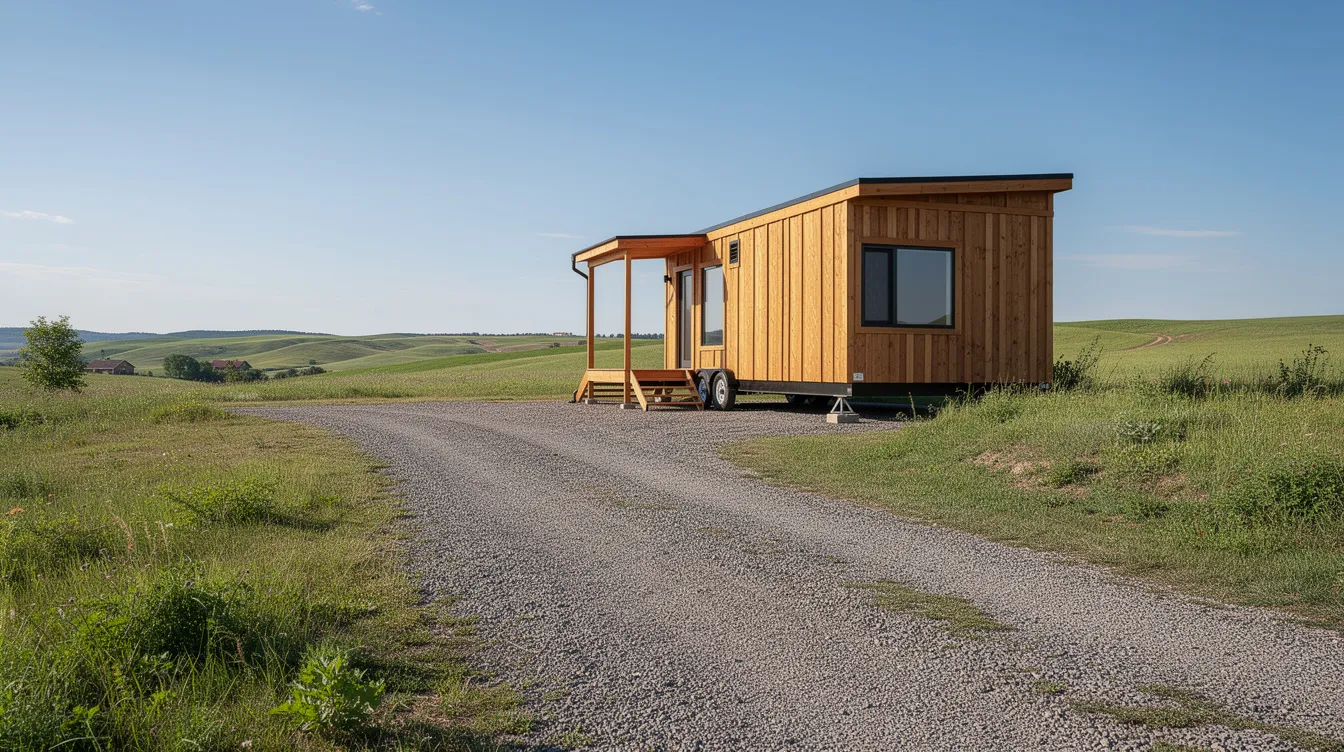
TinyHomeMap features land listings flagged as tiny home friendly where owners already accept tiny houses or manufactured homes. Filtering for these parcels helps you avoid buying a non-compliant property.
Using Your Own Property: Backyard Tiny Houses and ADUs
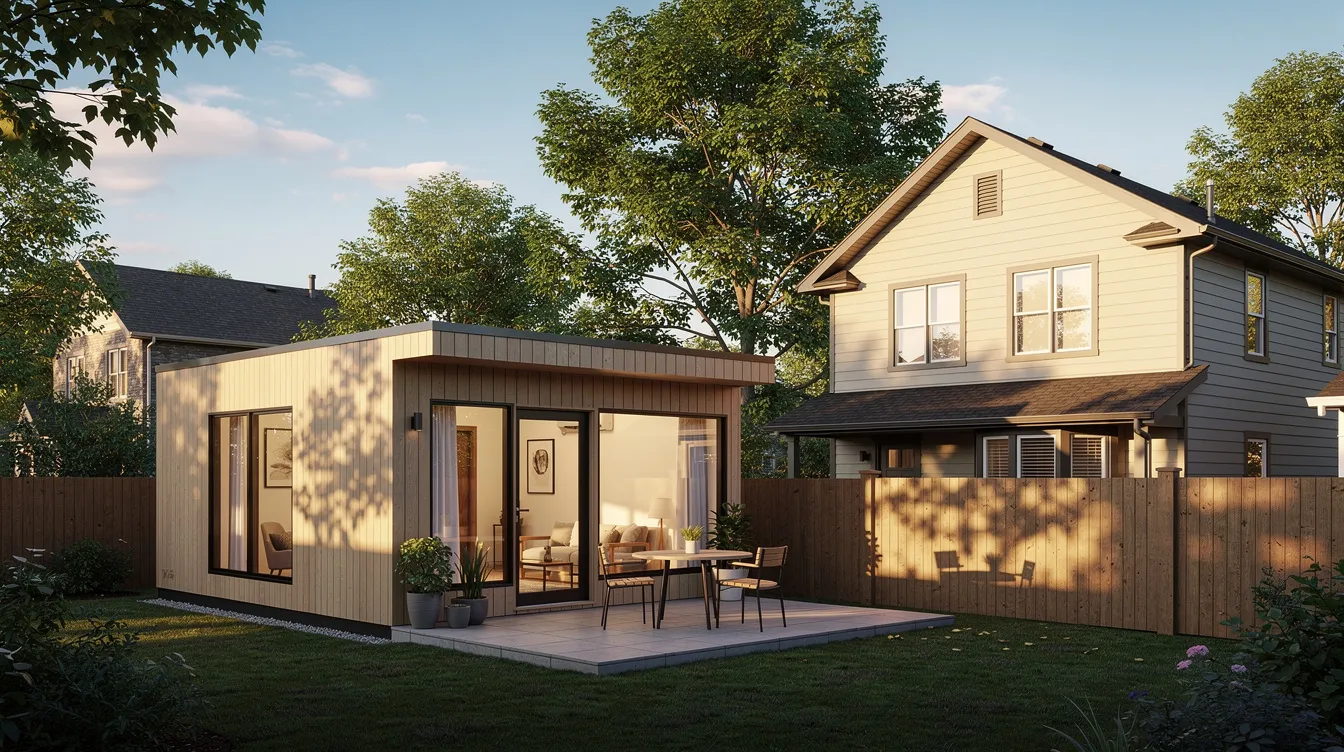
If you already own a home, adding a tiny house as a secondary unit on your property is one of the fastest legal paths available. Accessory dwelling units serve as guest houses, rental units, offices, or multigenerational housing behind or beside a primary house.
Accessory dwelling units must meet local residential building codes and project-specific approvals, but the permit process has become far simpler in many cities. California has statewide Accessory Dwelling Unit allowances to simplify tiny home construction; ADU permits in California rose from about 1,000 per year in 2016 to more than 28,000 in 2023. Portland, OR allows detached ADUs in single-family zones. Denver removed minimum lot widths for some detached cottages in 2023 to 2024 code revamps. Colorado's HB 24-1152 requires covered municipalities to permit ADUs administratively on single-unit lots.
Key details that matter for backyard builds:
Size caps: California limits detached ADUs to 1,200 square feet; Junior ADUs (inside the existing home) cap at 500 square feet.
Setbacks: California's ADU statutes cap side and rear setbacks at 4 feet for detached units.
Parking: many cities waive parking requirements for ADUs within half a mile of public transit.
Foundation: tiny houses used as ADUs often must sit on a permanent foundation and meet residential building codes, not RV standards.
Legal Basics: Zoning, Building Codes, and Minimum Square Feet
Understanding zoning and building codes is the single most important step before you spend money on a tiny house shell, trailer, or land. Ignorance can lead to fines, stop-work orders, or forced removal.
Zoning codes govern what you can build where and how you can use it: residential, agricultural, commercial. They set lot size, setbacks, density, and whether RVs or manufactured homes are allowed long-term. Local zoning laws determine where tiny homes can be built, and permits must be obtained to allow the intended use of tiny houses. City zoning and county regulations often differ on the same issue.
Building codes dictate how a structure must be constructed: structural loads, stairs, lofts, egress windows, insulation. Building codes for tiny homes vary by location. Local jurisdictions enforce minimum square footage requirements for primary homes; many older codes require at least 600 to 800 square feet. These requirements often prohibit tiny houses unless flexible local zoning is adopted.
The 2018 International Residential Code Appendix Q changed the landscape. Appendix Q provides building standards for homes 400 square feet or smaller, relaxing ceiling heights in lofts (as low as 24 inches at eaves), allowing steeper stairs or ladders, and tailoring emergency egress for lofted sleeping areas. Certain regions have adopted Appendix Q statewide, including California, Florida, Georgia, Indiana, Kentucky, Louisiana, Minnesota, Montana, New Jersey, New Mexico, New York, Utah, and Washington.
THOWs are often regulated as RVs, park models, or manufactured homes, which affects where they can legally be parked long-term. Tiny homes on wheels may be classified as RVs in some areas, restricting them to RV parks or manufactured home communities rather than standard residential lots.
HOA rules often override city zoning for tiny homes in neighborhoods. Even in a county that permits ADUs and small dwellings, subdivision CC&Rs may ban visible trailers, enforce minimum architectural standards, or exclude manufactured homes entirely. Always check recorded covenants before purchasing.
Rural Areas: Off-Grid Freedom vs. Infrastructure Challenges
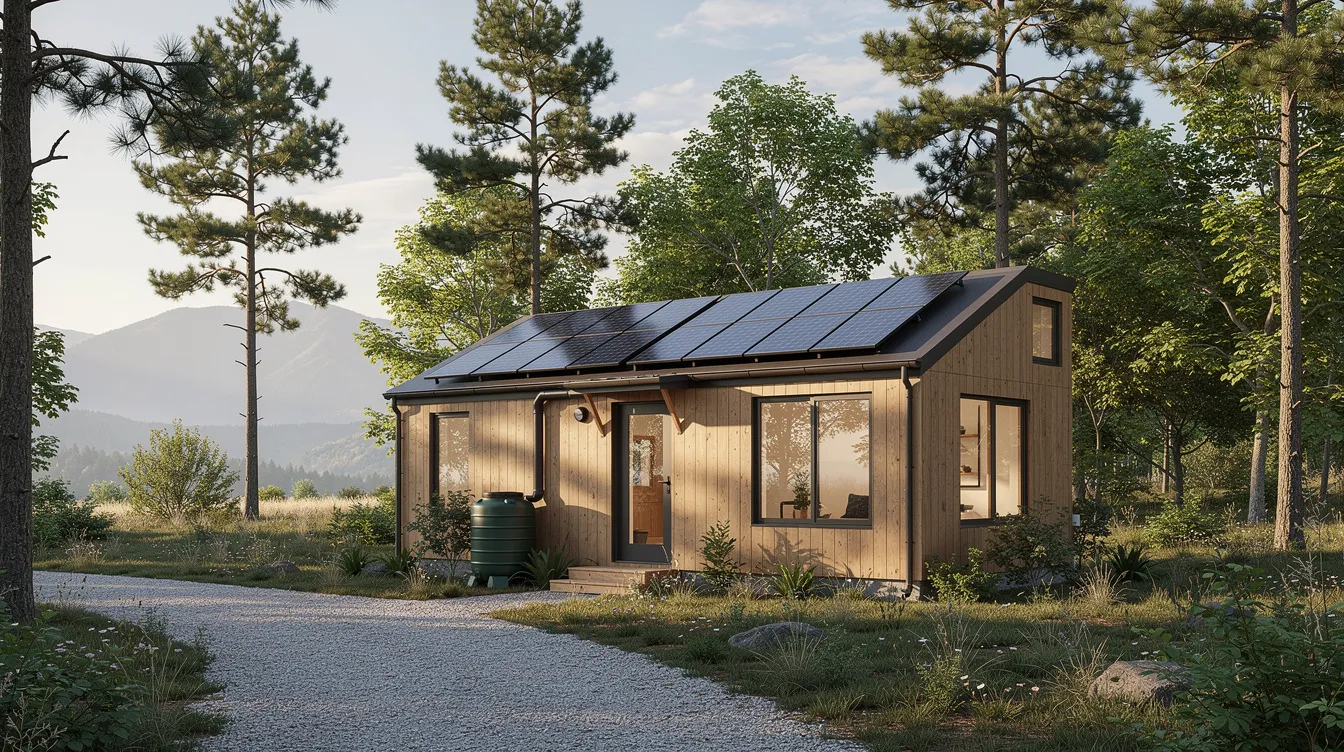
Rural areas attract tiny homeowners for good reasons: cheaper land, fewer neighbors, more flexibility from local authorities, and the chance for off-grid life with a vegetable garden, solar panels, and well water.
Many rural counties in states like Texas, Arizona, Tennessee, and parts of Colorado either have limited building departments or more relaxed enforcement. Colorado has over 300 areas without active building departments, which gives owners more flexibility but does not eliminate the need for well, septic, and road access permits. Parcels of 1 to 10 acres offer room for multiple tiny homes, solar arrays, rainwater catchment, and gardens.
Utility planning in rural areas involves real costs:
| Infrastructure | Approximate Cost Range | Timeline |
|---|---|---|
| Septic system | $10,000 to $30,000 | 2 to 6 months (including soil testing) |
| Well drilling | $5,000 to $15,000+ | 1 to 3 months |
| Power line extension | $10,000 to $50,000+ per mile | Varies by utility |
| Off-grid solar + battery | $10,000 to $30,000 | 1 to 4 weeks install |
Wildfire risk zones in California foothills and mountain states demand specific roof and siding materials. Snow load affects structural framing in mountain regions. Even where aesthetics are loosely regulated, governing bodies still enforce structural safety standards.
Urban and Suburban Options: City Lots, Infill, and ADU-Friendly Neighborhoods
Many people want the tiny home lifestyle without giving up access to jobs, transit, and amenities. Cities are responding. Portland's small-lot ordinances, the Los Angeles ADU boom since 2020, and Seattle's detached accessory dwelling units all create paths for urban tiny living.
Common barriers in cities include higher permit fees, design review boards, height limits, neighborhood opposition, and strict requirements for parking, alley access, and architectural compatibility. Permit timelines range from 30 to 90 days in states with ministerial (no-hearing) approval processes; others take longer.
Some cities pilot tiny home villages as transitional or supportive housing. Portland's Dignity Village is one example. While these may not always be open to private purchase, they signal that local governments recognize tiny homes as a tool for affordable housing and community development.
Tiny House Communities, Parks, and Villages
Tiny house communities are intentionally planned neighborhoods, RV-style parks, or villages where multiple tiny houses share infrastructure: utilities, parking, gardens, and community buildings. Communities for tiny homes often provide amenities and support, and tiny home communities can be found across the U.S.
Communities are often the easiest option for THOWs because zoning, building codes, and utility hookups are pre approved for small manufactured homes, park models, or RV-classified tiny houses. Common models include:
Leased pads: you own your tiny home, lease the space. Pad rent in Oregon villages typically runs $200 to $600 per month.
Rental communities: tiny homes available to rent nightly or monthly for those testing the lifestyle.
Co-ops: resident-owned communities with shared governance.
Mixed parks: accepting manufactured homes, park models, and small cabins alongside tiny houses.
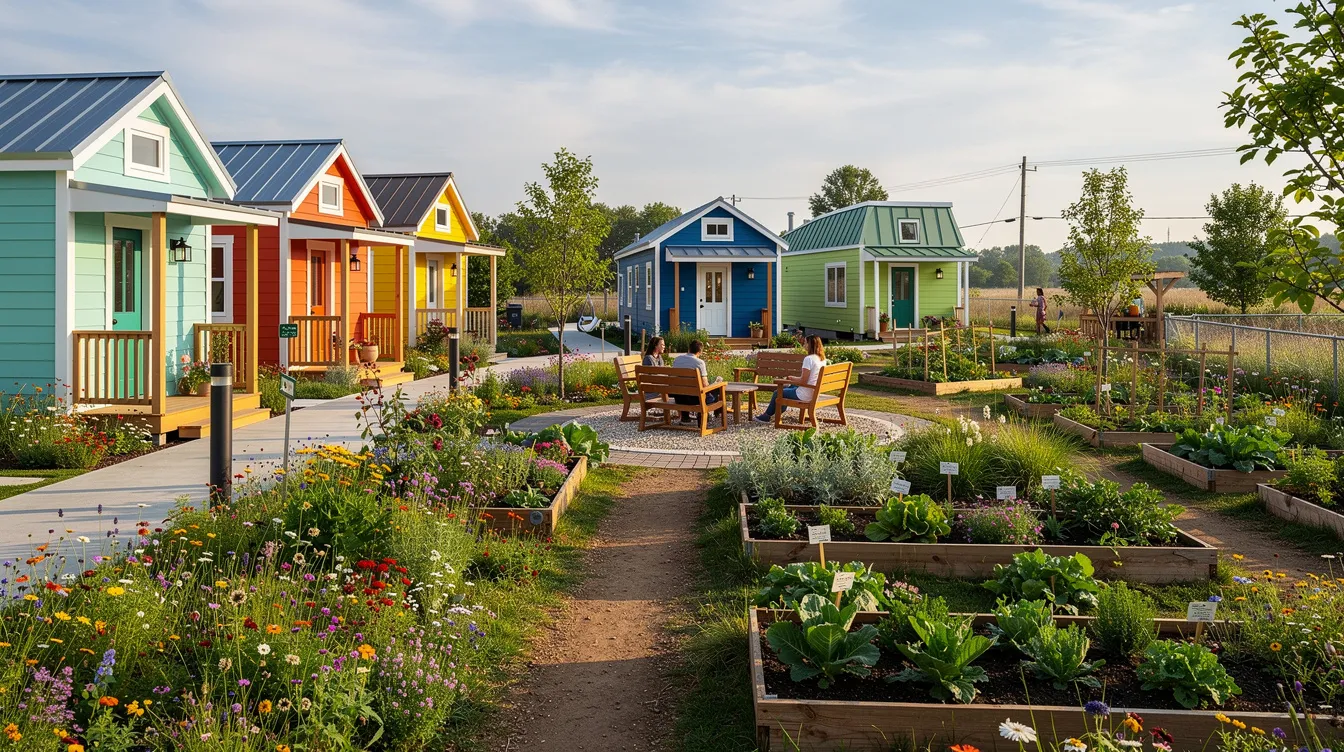
To find tiny home communities, TinyHomeMap includes a specific category for tiny house communities and parks worldwide, with map pins, photo galleries, and filters for features like pet-friendly rules, long-term leases, and off-grid options.
Best States and Regions for Tiny Homes in 2026
While tiny houses exist in every U.S. state, certain states stand out in 2026 as the best states for the tiny house movement:
Colorado: has over 300 areas with tiny home regulations. Tiny homes on wheels can be permanently resided in Colorado since 2023. Tiny homes on foundations are recognized as permanent residences in Colorado. Local zoning laws dictate tiny home size and location in Colorado, but the state's overall framework provides more flexibility than most.
Oregon: has implemented laws to expand alternative housing permissions on single-family lots. Portland leads nationally in ADU-friendly policy.
California: mandatory Appendix Q adoption since 2020 statewide; the strongest ADU mandate in the country. Even areas like northern California and San Francisco have streamlined ADU permitting.
Maine: passed explicit tiny home legislation in 2023 to 2025, with smaller lot minimums and statewide ADU protections.
Texas: offers flexible regulations, particularly in unincorporated or rural areas. No statewide ADU law, but rural counties are among the most permissive in the country. A beautiful state for those seeking space and low land costs.
Climate and geography also matter: snow load and insulation standards in mountain states, hurricane codes on the coast, and heat management in desert regions all affect how you plan and build. Zoning laws for tiny houses vary by state and municipality, so even in friendly states, you must drill down to your specific county and city.
How to Research If You Can Build a Tiny House on a Specific Parcel
Choosing a parcel first and hoping it works is risky. Researching local regulations is critical before building or buying land for tiny houses. Follow this process:
Identify the zoning code for the parcel using the county GIS or assessor website and the parcel number.
Read permitted uses and minimum dwelling size for that zone. Look for language about ADUs, manufactured homes, park models, or RV occupancy.
Search for date-stamped ordinances from 2020 to 2026 that update tiny home rules.
Contact the planning department with specific, written questions. Ask whether Appendix Q has been adopted.
Check HOA covenants and subdivision restrictions recorded with the county.
Verify utility provider rules; some power co-ops require inspections before connecting non-traditional dwellings.
TinyHomeMap's land listings often include notes from owners about whether their property has already been cleared for tiny houses, manufactured homes, or RV-style units, plus photos showing existing pads, hookups, or prior tiny home use. Due diligence with local authorities is still essential.
Buying Land Specifically for a Tiny Home
If you plan to buy land from scratch, search and negotiate with "tiny house first" criteria. Key filters:
Zoning that permits small or manufactured homes
No restrictive HOAs
Parcels already improved with septic and electric hookups
Realistic driveway access for delivery of a tiny house on wheels (8.5 feet wide, under 13.5 feet tall)
Acceptable flood and wildfire risk
Some buyers deliberately choose land near existing tiny home communities to benefit from tiny home friendly culture, contractors familiar with small dwellings, and existing infrastructure. TinyHomeMap aggregates land listings worldwide tagged for tiny houses, tiny homes on wheels, and manufactured homes, complete with photos, map location, and filters by price and size. Whether your dream is a wooded acre or a suburban lot, you can start your research there.
Where Tiny Houses on Wheels (THOWs) Are Commonly Allowed
THOWs are tiny homes built on trailers, often to RV or park-model safety standards. Mobile tiny homes on wheels are often classified as RVs, while permanent tiny homes are built on or attached to foundations. This classification shapes every placement option.
Common THOW placement options:
RV parks that allow extended stays (watch for 14- to 180-day continuous stay caps)
Tiny house or RV hybrid communities
Manufactured home parks accepting park models
Private rural land in counties that allow long-term RV occupancy
Seasonal placements on family land
Limitations include registration and inspection requirements, insurance and financing gaps compared to site-built homes, and the 8.5-foot max width and 13.5-foot max height for highway transport without special permits. Some jurisdictions now create specific categories for "movable tiny homes"; Nevada County, California, for example, permits THOWs in R1, RA, R2, AG, AE, FR, and TPZ zones as ADUs when zoning and building permits are issued. Tiny homes are approved for long-term living like modular homes in a growing number of jurisdictions.
How TinyHomeMap Helps You Find Tiny-Home-Friendly Places
TinyHomeMap is an independent directory that aggregates tiny houses for sale and rent, builders, land listings, and tiny home communities globally on a searchable map. Users filter by location, price, square feet, type of tiny home (on wheels vs. foundation vs. manufactured homes or park models), and categories like "land," "community," or "off-grid."
Listings are submitted by owners, builders, and community operators, then reviewed before publication to improve quality. A practical use case: search for tiny home communities within 50 miles of Denver, browse rural land under a set budget in Tennessee, or explore tiny home rentals to test a region before you purchase property. The vision is simple: help people create homes that match their life, not the other way around.
FAQ: Common Questions About Where You Can Build a Tiny House
Can I legally live in a tiny house full-time anywhere in the U.S.?
No. Full-time occupancy rules depend on whether the tiny home is treated as a residential dwelling, RV, or manufactured home, and each city or county sets its own regulations. Some areas only allow tiny homes as temporary or seasonal dwellings, or restrict RV-classified tiny houses to RV parks. Verify full-time occupancy rules with your local planning department. Tiny home communities or ADU-friendly cities offer the clearest path to legal year-round living.
What size does a tiny house need to be to meet building codes?
Many traditional residential codes assumed minimum dwelling sizes of 600 to 800 square feet. The 2018 International Residential Code Appendix Q now provides standards for houses under 400 square feet, with specific rules for lofts, stairs, and emergency egress. Local jurisdictions may or may not have adopted Appendix Q; ask your building department about adopted provisions and the minimum conditioned floor area for a primary residence or ADU in your zoning district.
Is it easier to legalize a tiny house if it is built on a foundation instead of on wheels?
In most places, yes. Foundation-built tiny homes that meet residential building codes are more likely to be approved as primary residences or ADUs than THOWs classified as RVs. THOWs are often limited to RV parks, tiny house communities, or short-term stays on private land because zoning codes view them as vehicles. If you want a long-term, mortgage-eligible solution, explore foundation-built tiny houses or modular units. If mobility matters more, accept the more limited placement choices of THOWs.
How do I know if a piece of land listed online is truly "tiny-home-friendly"?
Never rely solely on listing descriptions. Cross-check the land's zoning and building codes with local authorities using the parcel number or address. Confirm allowed dwelling types, minimum sizes, and RV or manufactured home rules. Ask the seller for prior permits, written confirmation from the county, or photos showing that a tiny house or manufactured home has legally been placed there before. TinyHomeMap land listings are curated and often include detail about tiny home suitability, but due diligence with local officials remains essential.
Can I rent out my tiny house as a short-term rental like Airbnb?
Using a tiny house as a short-term rental adds another regulatory layer: local short-term rental ordinances, occupancy taxes, and sometimes stricter building and fire code requirements. Some cities ban short-term rentals in certain zoning districts or require owner occupancy and permits. Many rural counties have few rules today but may adopt regulations as rental activity grows. Check both land-use rules and short-term rental policies, and design the tiny home layout (parking, access, smoke detectors, exits) to meet typical safety standards for guests.
Related articles
More guides that dig deeper into the same topics.
Ready to start searching?
Browse tiny homes, plans, builders, communities and land on the interactive map.
Explore the map