Oklahoma Tiny House Laws: A Practical 2026 Guide
25 min read · Updated October 15, 2026
By John
Oklahoma has no single statewide tiny home law. Instead, tiny houses are governed through a mix of building codes, zoning ordinances, and vehicle rules that vary from city to city and county to county. That patchwork can be confusing, but it also means there are real opportunities; several Oklahoma cities and many rural counties already allow tiny homes under specific conditions. This guide breaks down what you need to know before you build, buy, or place a tiny house anywhere in the state.
Key Takeaways
Oklahoma follows the 2018 International Residential Code statewide, and cities like Tulsa and Norman have adopted Appendix Q for tiny houses of 400 square feet or less. There is no standalone Oklahoma tiny home law; local regulations control where and how you can place a tiny house.
Zoning regulations, not just building codes, determine whether a tiny house can sit on a given parcel. Rules differ sharply between Oklahoma City, Tulsa, Norman, Broken Arrow, and rural counties. Checking local ordinances is crucial before placing a tiny house in Oklahoma.
A tiny house on a permanent foundation is usually treated as a small conventional home or accessory dwelling unit and taxed as real property. A tiny house on wheels is often classified as a recreational vehicle and faces stricter parking and full-time living limits.
Some counties, including parts of Cleveland County, Logan County, and Love County, have minimal county-level zoning enforcement in unincorporated areas, making them attractive for tiny home projects. Owners must still meet state building codes and septic rules.
Readers can use TinyHomeMap to visually locate Oklahoma tiny home communities, park model parks, builders, and tiny house-friendly land before committing to a project.
High-Quality Photographs & Visuals to Include
The following images would strengthen this article and help readers visualize the regulatory concepts discussed:
A wide aerial photograph of a small cluster of tiny houses on foundations near Oklahoma City at sunset, showing typical lot sizes and urban context.
A ground-level image of a tiny house on wheels parked in a rural Oklahoma setting, with open pasture and a windmill or oil pump in the background, illustrating rural zoning flexibility.
A close-up interior photograph of a code-compliant loft and egress stair or ladder meeting 2018 IRC Appendix Q standards, with proper guardrails, headroom, and an emergency escape window visible.
A photo of a park model home in an RV park near Tulsa with full hookups (visible sewer connection, power pedestal, water line) to explain utility and zoning differences visually.
A screenshot-style visual of TinyHomeMap's Oklahoma area with pins for builders, communities, and tiny-friendly parcels, reinforcing how readers can research locations.
Oklahoma Tiny House Basics (Answer the "Is It Legal?" Question Early)
Tiny houses are legal in Oklahoma as of 2026. But "legal" depends on three factors: local zoning, how the unit is classified (house, RV, or park model), and whether the build complies with the adopted building code. Oklahoma does not have a single statewide set of zoning regulations for tiny houses. Each municipality sets its own tiny home regulations. Towns and cities in Oklahoma enforce their own specific zoning rules that may restrict tiny homes.
Oklahoma follows the 2018 International Residential Code for building standards in one- and two-family dwellings. Many cities have also adopted Appendix Q of the IRC, which includes provisions for tiny houses of 400 square feet or less. Appendix Q relaxes certain requirements for loft access, ceiling height, and stairs, making it the closest thing to a dedicated tiny house code in the state.
Before going further, understand the three main categories. A tiny house on a permanent foundation is treated as a residential structure. A tiny house on wheels (THOW) is often classified as a recreational vehicle. A park model RV is built to ANSI A119.5 standards and occupies a gray zone between the two. Tiny homes can be on wheels or foundations, and the classification you choose shapes every rule that follows.
How Oklahoma Classifies Tiny Houses (Foundation, Wheels, Park Models)
Classification drives everything: where you can put the unit, which code applies, and how it is taxed and insured. Zoning and placement regulations for tiny houses are determined at the local level, but the classification framework is consistent across the state.
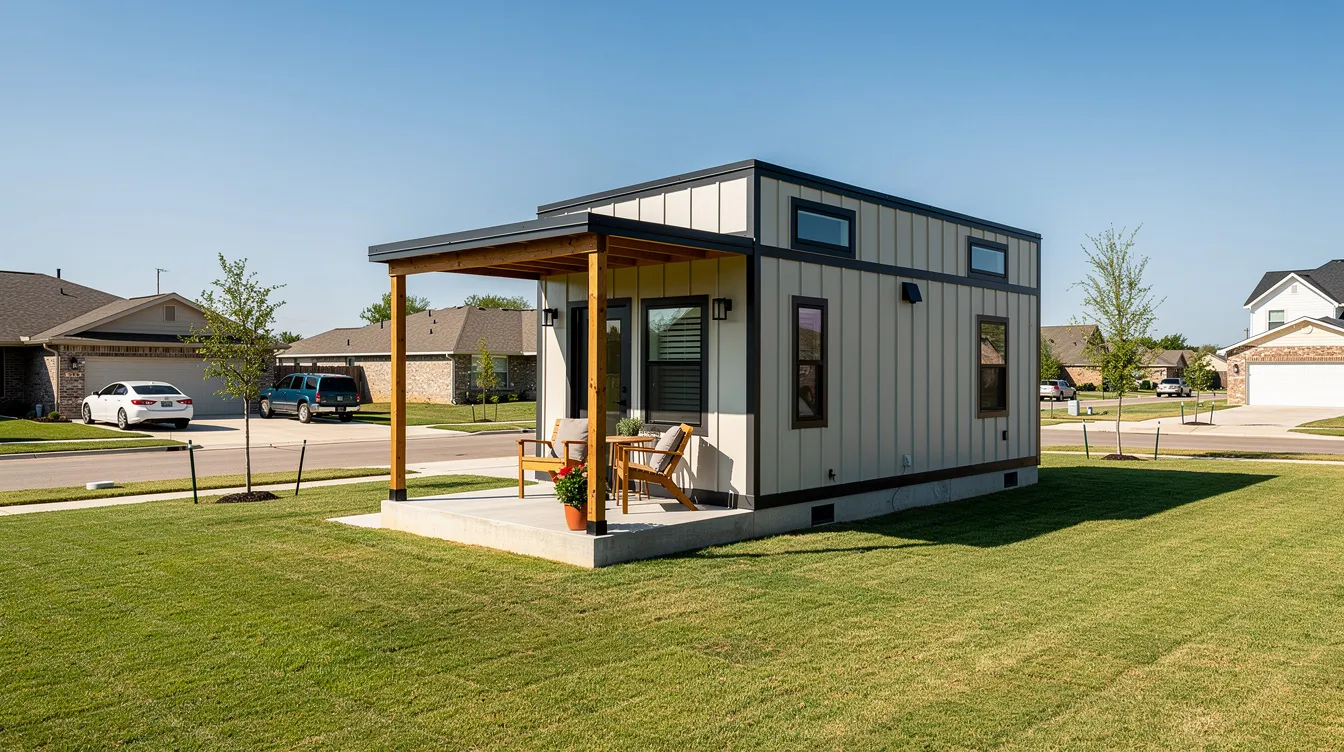
Tiny house on a permanent foundation. This is treated as a residential dwelling, either a single-family home or an accessory dwelling unit. It must meet the 2018 IRC (and Appendix Q where locally adopted). Foundation-built tiny homes must connect to utilities; public water and sewer where available, or a permitted well and septic system. Some counties allow tiny homes as accessory dwelling units, and tiny houses on permanent foundations are generally treated as standard residential structures. In Oklahoma County, for instance, an accessory tiny home for permanent occupancy (more than 30 days in 60) must have permanent utilities, skirting, removal of wheels and axles, a driveway, and its own address.
Tiny house on wheels (THOW). Tiny houses on wheels are classified as recreational vehicles in Oklahoma. A THOW must be registered and titled through the Oklahoma Tax Commission like a travel trailer. Full-time living is restricted in most incorporated cities to RV parks, manufactured home communities, or rural parcels with permissive zoning. In Grove, OK, a THOW of 400 square feet or less (excluding lofts) can only be occupied while parked in an RV park, resort, or designated manufactured housing area.
Park model RV. Park model tiny homes must meet ANSI A119.5 standards. They are capped around 400 square feet and physically resemble tiny houses, but the law treats them as RVs. Some Oklahoma jurisdictions allow long-term residency in RV parks with full hookups, while others prohibit park models from serving as permanent dwellings. If a park model is converted (wheels removed, permanent tie-downs, hard utility connections), some counties like Oklahoma County treat it similarly to a manufactured home for code and taxation purposes.
State-Level Code Framework vs Local Zoning Regulations
Oklahoma uses state-level building codes but delegates zoning regulations to cities and counties, creating a patchwork environment for tiny home laws. Oklahoma has no statewide zoning laws for tiny homes.
The Oklahoma Uniform Building Code Commission (OUBCC) adopted the 2018 IRC as the statewide minimum for residential construction. However, the OUBCC did not include any of the IRC's appendices (A through X) by default. That means Appendix Q, the tiny house appendix, is not mandatory statewide. Local municipalities must enact ordinances to adopt it. Cities like Tulsa and Norman have done so. Others, like Broken Arrow, have not.
Even where the building code allows a tiny house, local zoning ordinances can still prohibit it. A zoning district might require a minimum dwelling size of 1,000 square feet, ban accessory dwelling units, or restrict RV parking to short stays. Local municipalities in Oklahoma can impose additional requirements beyond state building codes. Logan County's unincorporated areas, for example, have no local zoning at all, while Broken Arrow has detailed zoning that limits RV or THOW use to 14 consecutive days in many zones. Property owners need to check both building code adoption and zoning rules for their specific parcel.
Minimum Size and Design Rules for a Tiny House in Oklahoma
Oklahoma has no statewide minimum dwelling size written specifically for tiny houses. Instead, most jurisdictions rely on the 2018 IRC and, where adopted, Appendix Q. Minimum square footage for tiny homes varies by county, from 400 to 1,000 square feet. Minimum square footage requirements for tiny houses vary between locations based on zoning district, city ordinance, and HOA rules.
Under Appendix Q, key dimensional rules include:
Maximum size: 400 square feet excluding lofts.
Ceiling height in habitable spaces and hallways: minimum 6 feet 8 inches.
Ceiling height in kitchens and bathrooms: minimum 6 feet 4 inches.
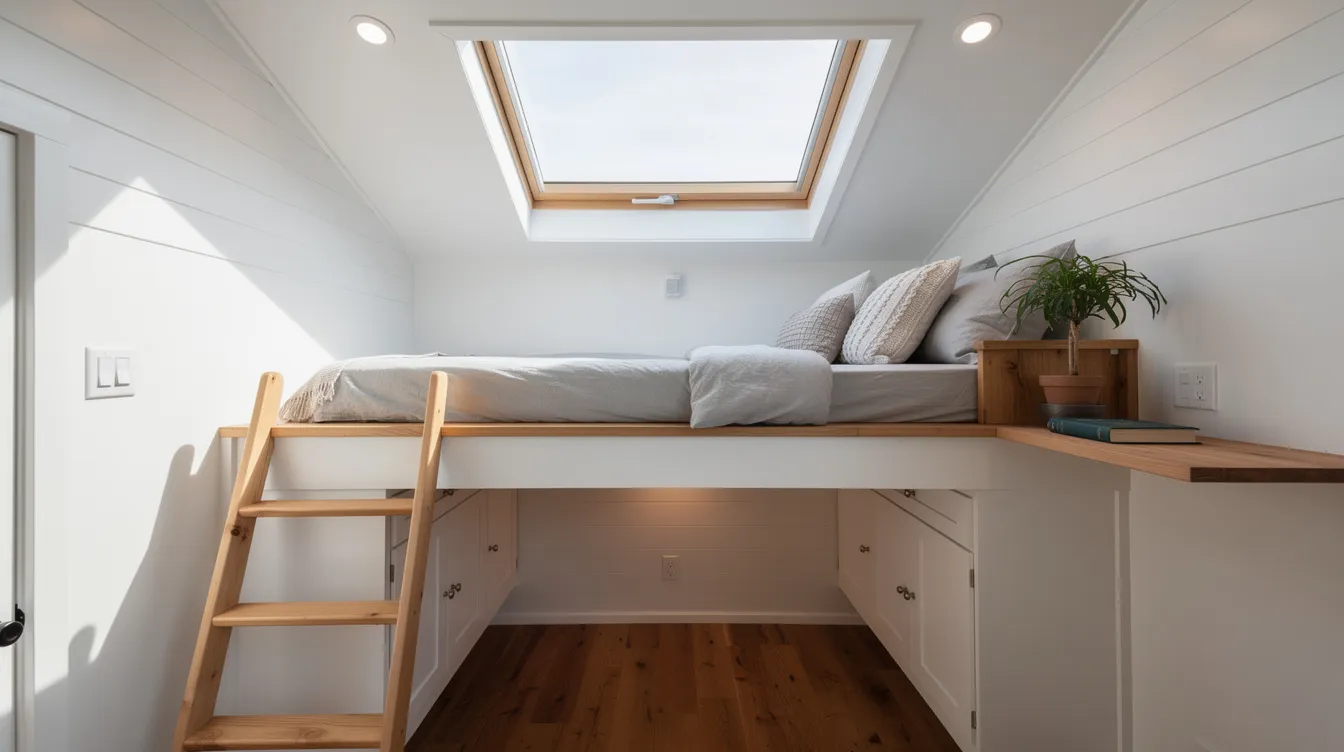
Loft minimum area: 35 square feet, with a minimum horizontal dimension of 5 feet. Lofts can have reduced ceiling heights if access and emergency escape requirements are met.
Habitable rooms under the base IRC must be at least 70 square feet with a minimum 7-foot ceiling.
Emergency escape: lofts must have emergency escape openings and safe access via stairs or a ladder with guardrails.
Some cities and HOAs insist on 600 to 1,000 square feet in certain residential zones. Rural counties and unincorporated areas often allow 400 square feet or smaller if the unit meets code conditions. Tiny homes must be at least 400 square feet in some counties, but that floor varies.
Permanent Tiny Houses on Foundations (Primary Homes & ADUs)
Building on a permanent foundation is usually the most straightforward path to full-time tiny house living in Oklahoma. These units must have an approved foundation (slab, crawlspace, or pier and beam), be anchored per code, and be connected to compliant utilities. Foundation-built tiny homes require connection to utilities and compliance with codes.
Many Oklahoma cities now treat small detached units as accessory dwelling units in residential zones. Oklahoma City's backyard dwellings ordinance (Ordinance No. 27,847), which took effect June 20, 2025, allows one ADU per parcel in R-1 through R-4 and Neighborhood Conservation zones. The maximum ADU size is 950 square feet, and a building permit with inspections is required. Accessory dwelling units regulations can be more flexible in some urban areas of Oklahoma than in suburban or rural zones.
Permanent tiny houses are usually assessed for property taxes as real property. Oklahoma's property tax treatment for tiny houses can differ depending on their classification, but foundation homes typically increase the parcel's assessed value. That raises annual taxes but also improves resale value and financing options. Foundation-built tiny homes may qualify for traditional mortgages, making them appealing to buyers who want conventional lending.
TinyHomeMap's listings can help readers filter for land and communities that already welcome foundation-built tiny houses, avoiding rezoning battles.
Tiny Houses on Wheels (THOWs) and RV Treatment
A THOW is a different legal animal from a site-built tiny house. Tiny houses on wheels are often classified as RVs and face placement restrictions. The unit must be titled and registered through the Oklahoma Tax Commission as a travel trailer, and it generally needs to meet RVIA standards to be accepted in many RV parks or campgrounds.
Most residential zoning districts in cities like Tulsa and Broken Arrow do not allow long-term parking or habitation of an RV or THOW in a driveway or backyard. Broken Arrow limits RV or THOW occupancy to 14 consecutive days in many zones. Enforcement varies, but the legal risk is real for anyone planning to park a THOW in a standard residential neighborhood.
More flexible options exist. Long-term rental in RV parks or tiny house villages that specifically allow full-time THOW living is one path. Another is placement on rural land in many Oklahoma counties with minimal zoning, where off-grid setups can be negotiated with local health and building officials. Mobile tiny homes face the most friction in incorporated cities and the fewest restrictions on large rural parcels.
Tiny houses on wheels typically require RV loans or personal financing rather than traditional mortgages. Mobile units require RV or specialized tiny house coverage for insurance.
Park Models in Oklahoma: When a Park Model Counts as a Tiny House
Park model RVs are 400 square feet or less, built to ANSI A119.5 standards. Many people use "park model" and "tiny house" interchangeably, but the law treats them differently.
Some Oklahoma jurisdictions allow park models as long-term permanent dwellings in RV or manufactured home parks with full hookups. Others prohibit park models from being used as primary residences even when the unit is under 400 square feet. Creek County, for example, does not allow park models as dwellings on standard residential parcels but permits them in RV parks. Oklahoma County will treat a converted park model (wheels removed, permanent tie-downs, skirting, hard utility connections) similarly to a manufactured home for code and taxation purposes.
Before purchasing a park model, confirm with the specific county or city whether it can serve as a permanent residence on your target parcel. The answer depends on whether the parcel is zoned for RV or manufactured housing use.
City-by-City Snapshot: Oklahoma City, Tulsa, Norman, Broken Arrow, and More
Oklahoma cities vary widely in how they handle tiny home placement. Here is what the major population centers look like for tiny house regulations as of 2026.
Oklahoma City
OKC passed its backyard dwellings ordinance in May 2025, allowing accessory dwelling units as conditional uses in R-1 through R-4 and Neighborhood Conservation residential zones. Only one ADU is allowed per parcel. The maximum size is 950 square feet. If the street is narrower than 26 feet or the ADU exceeds 600 square feet, off-street parking is required. All ADUs need a building permit and staged inspections (foundation, framing, rough-in, final) through the Development Center. OKC follows the 2018 IRC. Many jurisdictions require building, electrical, and plumbing permits for tiny houses, and OKC is no exception.
Tulsa
Tulsa's municipal code adopts the 2018 IRC including Appendix Q under Title 51 of its Code of Ordinances. That means Tulsa explicitly recognizes tiny houses of 400 square feet or less and allows the relaxed loft, stair, and ceiling height rules of Appendix Q. Zoning for long-term tiny house residency still depends on the specific zone district, and the Development Services Department manages details. In unincorporated Tulsa County, county inspections apply.
Norman (Cleveland County)
Norman is one of the more tiny-home-friendly Oklahoma cities. The city explicitly adopted IRC 2018 with Appendix Q and permits tiny houses on permanent foundations in A-1, A-2, and RE zoning districts, typically via special use permit. Norman also sets requirements for tiny house parks or subdivisions: a minimum of 10 acres, maximum structure coverage of 40% per lot, and total impervious surface coverage capped at 65%. These subdivisions must be in Planned Unit Development (PUD) zoning.
Broken Arrow (Tulsa County)
Broken Arrow currently follows the 2015 IRC in some contexts and has not adopted Appendix Q. The city treats most tiny houses on wheels as recreational vehicles with a strict 14-day occupancy limit. Broken Arrow is less friendly to permanent tiny home placement compared to Oklahoma City or Norman. Anyone considering a tiny house project here should start with the local building department.
Other Cities
Stillwater (Payne County) and Edmond have adopted the 2018 IRC and generally allow small ADUs or primary tiny homes when zoning conditions are met. Lawton, the county seat of Comanche County, follows state building codes and has zoning rules that vary by district. In each case, calling the planning department with your specific home type and parcel address is the fastest way to get a clear answer.
County Trends: Tiny-Friendly vs Restrictive Oklahoma Counties
Many of Oklahoma's 77 counties either have minimal zoning or defer to municipalities for tiny home rules. Many unincorporated counties in Oklahoma do not have dedicated zoning departments.
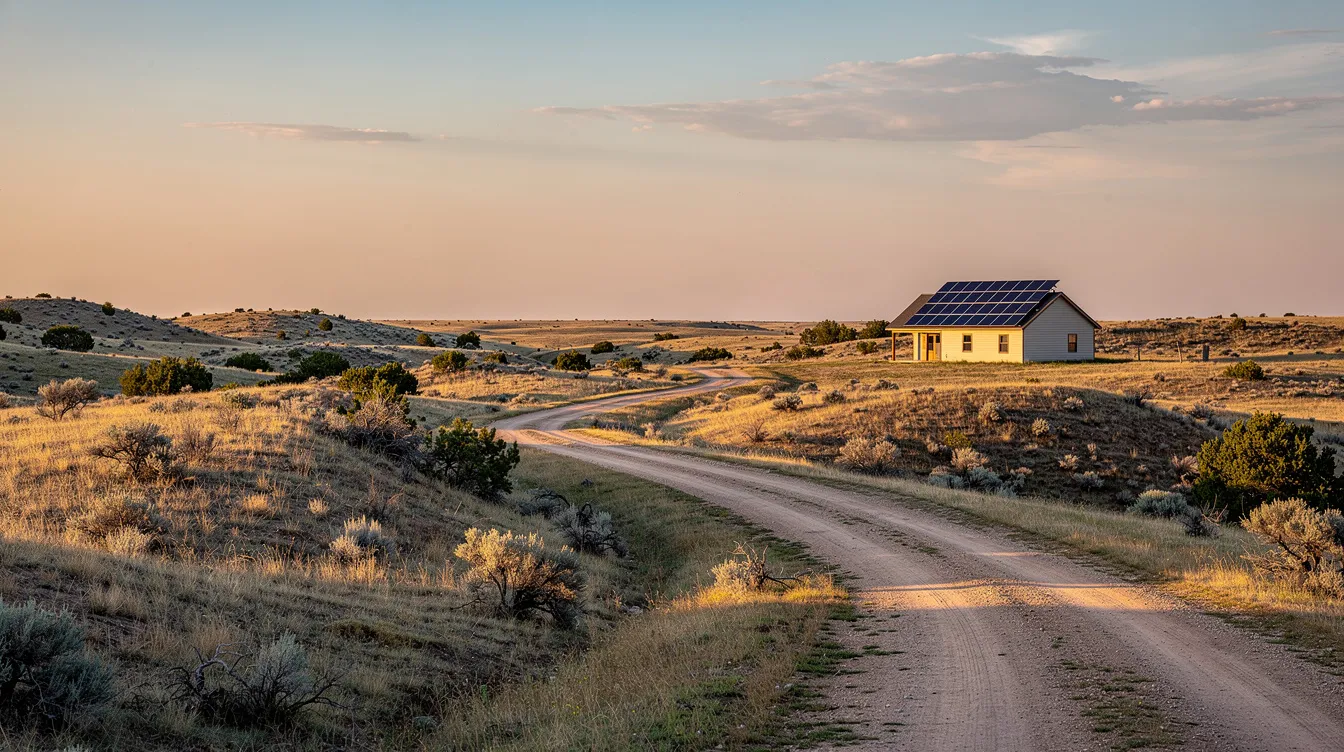
Relatively tiny-friendly counties include Logan County and Love County, where unincorporated areas lack local zoning. Property owners still must comply with state building codes and septic rules, but the absence of zoning restrictions makes these areas popular with off-grid tiny house enthusiasts. Osage County and Stephens County follow similar patterns in their unincorporated areas, offering fewer restrictions for tiny home placement on rural parcels.
Counties with some rules include Rogers County and Creek County, where definitions for small dwellings, restrictions on park models as permanent dwellings, and reliance on older IRC editions can create hurdles. Talking to the planning department is essential in these areas.
Cleveland County illustrates a common pattern: the county itself is light on tiny home rules in unincorporated areas, but major cities inside it (Norman, Moore) have detailed local ordinances. "County friendly" does not automatically mean "city friendly." Many counties have their own rules, and the specific regulations that apply depend on whether a parcel falls inside or outside city limits.
Readers can use TinyHomeMap's land listings filter for tiny-friendly zoning and off-grid-allowed parcels to identify counties that have already been vetted as workable for tiny home projects.
Zoning Regulations for Backyards, Rural Parcels, and Communities
Three common placement scenarios for tiny houses each come with distinct zoning issues.
Backyard tiny house (ADU). Cities like Oklahoma City and Norman allow accessory dwelling units in certain residential zones, with rules on size (relative to the main house), setbacks, maximum height, parking, and number of units per lot. OKC caps ADUs at 950 square feet and one per parcel. Norman has similar limits tied to its adopted zoning districts.
Rural parcels. Unincorporated land often has more lenient local zoning, but may enforce minimum lot size, agricultural vs. residential use classification, and environmental protections (floodplain, watershed) that affect where a tiny house can sit. Rural counties may offer fewer restrictions, but property owners still need proper permitting for septic, water, and electrical.
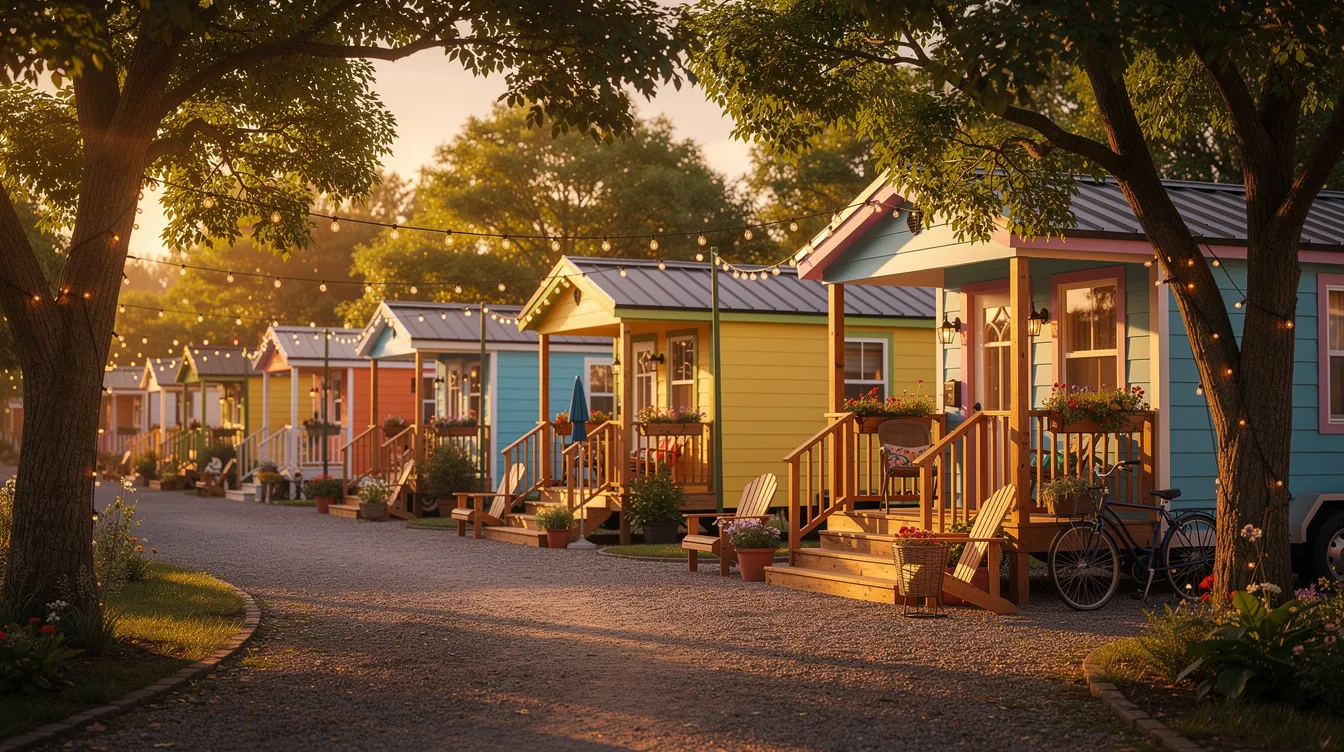
Tiny home communities and RV parks. These locations bundle zoning compliance and infrastructure, often zoning as planned unit developments, mobile home parks, or RV parks. Many owners choose them over isolated parcels because the zoning office has already approved the use. Tiny house communities offer shared amenities and pre-approved infrastructure.
Always check both zoning maps and permitted uses lists for your target parcel before purchase. Call the planning department with the specific classification you intend (ADU, RV, manufactured home) to avoid surprises.
Permits, Inspections, and Utility Hookups
A permit is required to build or place a tiny home in Oklahoma. The specific permits and inspection steps depend on whether the unit sits on a foundation or wheels.
Foundation tiny homes:
Zoning or land use approval from the local zoning office
Building permit with submitted plans and site plan
Electrical, plumbing, and mechanical permits
Staged inspections: footing/foundation, framing, rough-in, final
Certificate of occupancy issued only after final occupancy inspections pass
Tiny houses must comply with utility and sanitation requirements applicable in the area
THOWs and park models:
The structure itself may not go through local building inspections if already built to RV or ANSI standards
Local permits may still be required for decks, skirting, and permanent utility hookups
Floodplain parcels often trigger additional review
Utilities:
Connection to city water and sewer where available, or permitted well and septic
Composting toilets and off-grid solar systems often require specific approval from local health departments
Off grid systems are increasingly common on rural parcels but still need sign-off from local officials
Building permits for tiny homes typically range from hundreds to thousands of dollars depending on the city and scope of work. Tiny homes in Oklahoma cost between $30,000 and $100,000, and costs for tiny homes vary based on size, foundation type, and local regulations.
Property Taxes, Insurance, and Financing for Oklahoma Tiny Houses
Classification affects ongoing costs: property taxes, insurance premiums, and loan options all depend on how Oklahoma treats your tiny house.
Property taxes. Permanent foundation tiny homes are usually assessed as part of the real estate. In Oklahoma County, if the owner owns the land, a manufactured or small home is assessed as real property at roughly an 11% assessment ratio. If the land is not owned by the homeowner, the unit is assessed as personal property at roughly 13.75%. THOWs and park models may be taxed as personal property via vehicle registration, but adding a unit with permanent utilities can still increase the land's assessed value.
Insurance. Insurance for foundation-built units is eligible for homeowner's insurance, similar to any other residential structure. Mobile units require RV or specialized tiny house coverage. Insurers often require proof the unit meets applicable code or ANSI standards. Financing options vary by lender and tiny house type.
Financing. Foundation-built tiny homes may qualify for traditional mortgages on titled land. Tiny houses on wheels typically require RV loans or personal financing, which often carry higher interest rates and shorter terms. HELOCs or land loans work for those building on property they already own. Buyers can filter for tiny homes for sale with financing-available builders and dealers on TinyHomeMap.
Tiny Home Construction Standards and Working With Local Builders
Tiny home construction must meet structural, fire, electrical, and energy standards of the adopted code or RV/ANSI standard, even when space-saving designs (lofts, built-ins, multi-use furniture) are used. Oklahoma's tiny homes often incorporate sustainable building materials, and many builders in the state have experience with both foundation and THOW builds.
Municipalities tend to look favorably on homes stamped by licensed engineers or built by established tiny home builders who can document compliance with the 2018 IRC. For THOWs, RVIA certification is often the key to placement acceptance at RV parks and communities.
A cluster of tiny home builders operates in the Tulsa and Oklahoma City metro areas. Rather than navigating cold calls, readers can use TinyHomeMap to locate Oklahoma-based tiny home builders and park model manufacturers with project photos and reviews. Hiring a builder who already understands local code and permit requirements saves time and reduces the risk of failed inspections.
Examples of Tiny Home Communities and Projects in Oklahoma
Oklahoma has several tiny home communities that illustrate how different zoning and siting strategies work in practice.
Heartwood Commons provides shared facilities for tiny home residents and is an example of how a community can bundle zoning compliance, utilities, and amenities into a single site. Communities offer amenities like wi-fi, laundry, and workout spaces, reducing the individual owner's infrastructure burden.
The Tiny House Community of Norman is known for tiny home living and sits in a city that explicitly adopted Appendix Q. Norman's zoning for PUD-based tiny house parks (10-acre minimum, 40% structure coverage cap) provides a framework for these developments.
The Tiny House Community of Tulsa features state-of-the-art amenities and benefits from Tulsa's adoption of Appendix Q and growing openness to alternative housing.
Mission-driven projects also exist. Some Oklahoma City organizations have built transitional tiny house campuses, with cities granting variances or special approvals for innovative tiny home projects aimed at addressing housing insecurity. These projects demonstrate that local authorities can be flexible when community need and proper planning align.
TinyHomeMap can be used to visually explore existing communities and see which accept tiny houses on foundations, THOWs, or park models, along with lot rental or purchase options.
How to Choose Land for a Tiny House in Oklahoma
Finding land that will actually work for a tiny house requires checking several factors before you buy.
Key filters to verify:
Correct zoning for small dwellings, manufactured housing, or ADUs
No restrictive minimum square footage that excludes tiny houses (some zones require 1,000+ square feet)
Legal road access and a viable driveway path
Non-floodplain location, or manageable flood requirements
Realistic path to water, sewer, or off-grid approvals
Verify whether the parcel is inside city limits or just within a county. City limits mean city ordinances (like Broken Arrow's RV limits) apply. Outside city limits, county and state codes govern. Check covenants and HOA rules too; they can be stricter than city zoning and often ban tiny houses, THOWs, and park models even where cities allow them.
TinyHomeMap's filters for land for tiny homes in Oklahoma can help locate parcels where owners already advertise tiny-friendly terms, speeding up due diligence.
Transporting Tiny Houses and Park Models on Oklahoma Roads
Getting a tiny house or park model to its site involves transportation rules. Units over standard vehicle dimensions (typically 8.5 feet wide, with height and length thresholds) require oversize or overweight permits from the Oklahoma Department of Transportation before travel.
Professional tiny home transport services handle route planning, pilot cars (if required), and permit applications. This is safer for wide park models and large THOWs than DIY towing. Schedule transport around weather and avoid high-wind days, which are common across Oklahoma. Confirm delivery site readiness (pad, access road width, turning radius) before the unit is on the road.
Permit fees and rules can change; confirm current requirements with ODOT before booking transport.
Environmental, Off-Grid, and Sustainability Considerations
Oklahoma's climate and landscape influence tiny house design and off-grid strategies. Many rural tiny houses use rainwater collection, solar panels, and composting toilets, but each typically requires explicit approval from local health and building officials.
Environmental constraints affect permits and design. Floodplains along rivers and creeks, high-wind and tornado exposure, and soil suitability for septic systems all factor into where and how a tiny house can be built.
Tiny homes reduce energy consumption compared to conventional houses. Many tiny homes utilize renewable energy systems, and tiny homes have smaller environmental footprints than traditional homes. Tiny house living promotes efficient use of resources through compact design and intentional material choices. Some communities in Oklahoma are beginning to market themselves as eco-villages, combining sustainable building with shared infrastructure.
TinyHomeMap's filters for off-grid ready, solar included, and composting toilet features help readers locate properties and units that match their environmental priorities.
Future Trends: Where Oklahoma Tiny Home Laws Are Headed
Housing affordability debates in Oklahoma City, Tulsa, and Norman are pushing ADU and small-lot reforms forward. More Oklahoma municipalities have adopted or are considering the 2018 or 2021 IRC editions, including Appendix Q. As more cities follow Tulsa and Norman's lead, technical building code barriers for tiny houses will continue to fall.
Zoning updates tend to lag behind building code adoption. Readers should expect incremental progress: pilot tiny home communities, expanded ADU zones, and clearer treatment of park models rather than an overnight statewide overhaul. Statewide regulations remain limited to building codes, not zoning.
Monitor local council agendas, planning commission updates, and TinyHomeMap's blog for new ordinances and community announcements. The trend is toward more flexibility, but the pace depends on each city and county.
FAQ: Oklahoma Tiny House Laws
Below are answers to common questions that clarify and reinforce the core points of this guide.
Can I live in a tiny house year-round in Oklahoma?
Year-round living is usually easiest in a tiny house on a permanent foundation that meets the 2018 IRC and Appendix Q. Cities like Oklahoma City, Norman, and Stillwater explicitly allow such homes as primary residences or ADUs in qualifying zoning districts. Full-time living in a THOW or park model is more restricted; it generally must occur in RV parks, manufactured housing communities, or rural areas whose zoning permits long-term RV occupancy. Some cities cap stay lengths at 14 to 30 days outside such areas. Confirm with your city or county planning department whether your specific parcel and home type can be legally occupied 12 months of the year before investing.
Do I have to pay property taxes on a tiny house in Oklahoma?
Foundation-built tiny homes are typically taxed as real property along with the land. THOWs and park models are usually taxed as personal property via vehicle or manufactured home registration. Even if the tiny structure itself is taxed as personal property, adding it to a parcel with permanent utilities and improvements can still increase the land's assessed value. Call the county assessor's office where your land is located (for example, Oklahoma County or Cleveland County) to get a concrete estimate of how a tiny home will change your annual property taxes.
Can I put a tiny house in my backyard in Oklahoma City or Norman?
In Oklahoma City, the backyard dwellings ordinance allows one accessory dwelling per qualifying lot, subject to zoning, height, and square footage caps (maximum 950 square feet). A residential building permit is required. Norman also permits backyard ADUs, including tiny houses, though exact setbacks, parking, and design standards depend on the zoning district and must be confirmed with Planning and Community Development. Check your zoning online using OKC's LUTA map or Norman's GIS tools, then consult staff before designing or placing a tiny house as a backyard ADU.
Where can I legally park a tiny house on wheels in Oklahoma?
Typical legal options include RV parks, some mobile home parks that accept RVIA-certified THOWs or park models, tiny home communities zoned as RV or manufactured parks, and certain rural parcels where long-term RV living is not prohibited. Street parking or driveway living in cities like Tulsa, Broken Arrow, and Edmond is often limited to very short durations by ordinance, even if enforcement varies. Ask any park or landowner for written confirmation that a THOW can be used as a long-term dwelling on the site, and search TinyHomeMap for Oklahoma listings that explicitly welcome THOWs.
What's the first step to planning a tiny house project in Oklahoma?
Start by deciding on your home type (foundation tiny house, THOW, or park model) and preferred area (near Oklahoma City, in Cleveland County, or on rural land). These choices determine which laws apply. Next, check local zoning maps and permitted uses, call the city or county planning department or town clerk with specific questions, and sketch a basic budget covering construction or purchase, land, utilities, property taxes, and permits. Use TinyHomeMap early to identify Oklahoma builders, communities, and parcels that are already tiny-friendly, making your conversations with local officials more focused and realistic.
Related articles
More guides that dig deeper into the same topics.
Ready to start searching?
Browse tiny homes, plans, builders, communities and land on the interactive map.
Explore the map