Discovering Small Houses Colorado: Affordable Living Options Explained
16 min read · Updated October 11, 2026
By John
Small Houses in Colorado at a Glance
Small houses in Colorado generally refer to homes between 200 and 1,000 square feet - including tiny houses on wheels, small cabins on foundations, accessory dwelling units, and compact manufactured or modular homes. Colorado ranks among the top states for small-scale and tiny home living, driven largely by a desire for affordable housing in a state where the overall statewide median home price sits around $550,000. This guide covers the main types of small houses available, where to find them for sale or rent, realistic cost ranges, and the basics of zoning and climate-readiness you need to understand before committing. Whether you're exploring a weekend retreat near Summit County or a permanent ADU in Denver, resources like TinyHomeMap can help you browse small-house listings, builders, tiny home communities, and land across Colorado on a single searchable map.
Types of Small Houses in Colorado
Colorado features a diverse market for small homes, and the options break down into several practical categories - each suited to different budgets, locations, and lifestyles. Understanding which type fits your plans is the first step toward narrowing your search.
Tiny Houses on Wheels (THOW) in Colorado
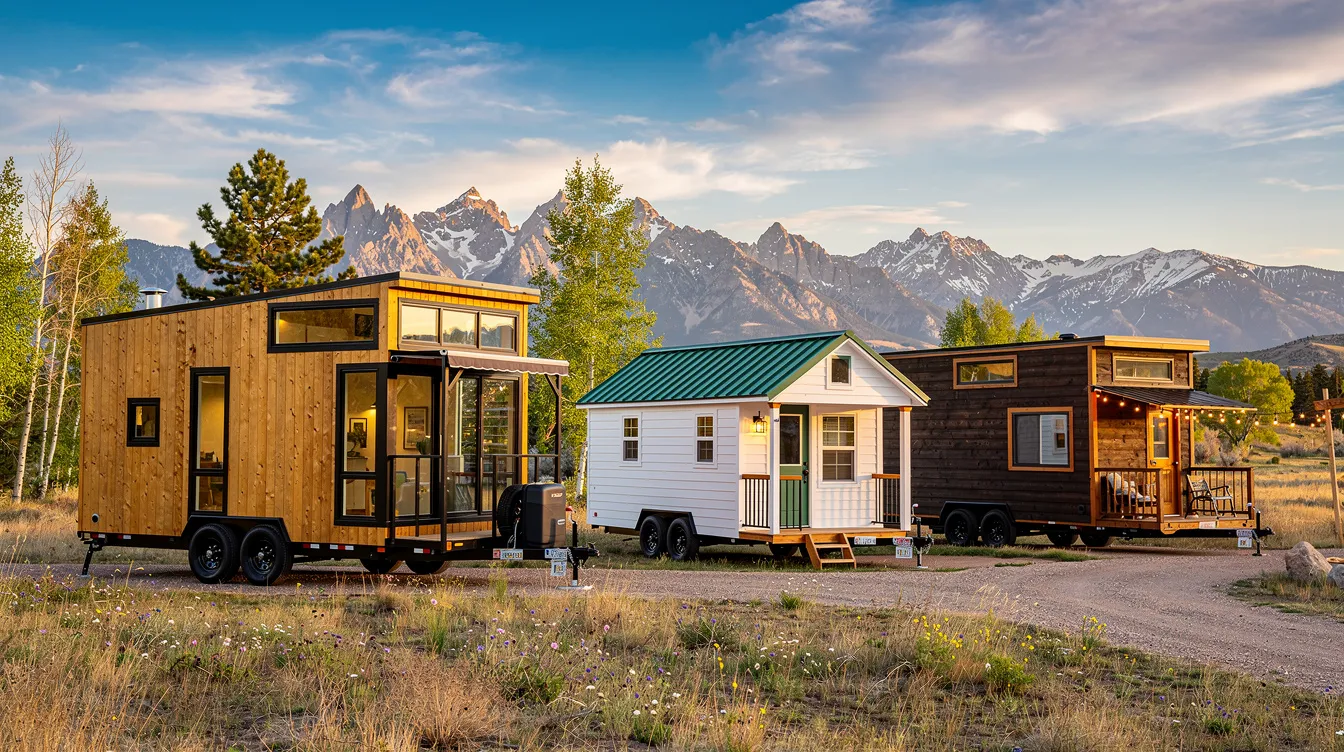
Wheeled tiny homes range from 200 to 400 sq ft and are built on trailer chassis, which means they're often classified as RVs under Colorado Department of Housing rules. They work well for full-time living, ski-season base camps near places like Breckenridge or Steamboat, and weekend getaways in areas around Fairplay, Durango, or Grand Junction. Tumbleweed Tiny House Company offers three models of Tiny Houses On Wheels, and Western Colorado Tiny House offers models ranging from 120 to 350 sq ft, giving buyers a variety of size and finish options.
The mobility of a THOW is a real advantage: you can relocate between RV parks, dedicated tiny home communities - such as Gemenskäp Tiny Home Community in Fairplay, CO, or Whispering Aspen Village, also located in Fairplay, CO - and private land where county rules allow placement. Peak View Park offers year-round retreats for tiny home residents, and Camp Eddy features tiny homes ranging from 180 to 350 square feet. Over 20 Colorado counties allow tiny home placement, so there are genuine options beyond the Front Range.
Small Cabins and Cottages on Foundations
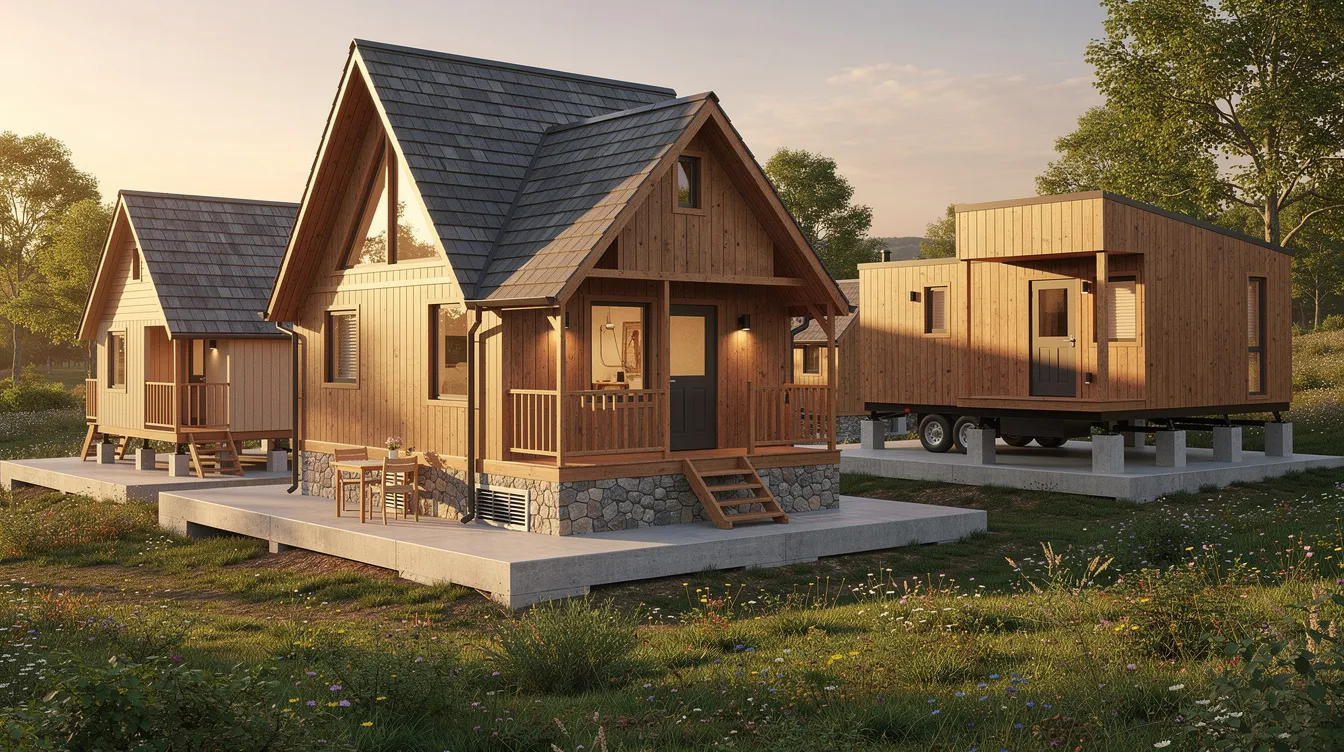
Small cabins and cottages on foundations typically span 300 to 1,000 sq ft and are permanent structures common in mountain towns like Leadville, Nederland, and Westcliffe, as well as across rural counties throughout the state. Foundation-based homes can be up to 1,000 sq ft while still qualifying as "small" by most definitions. These must meet local building codes - including snow-load requirements that vary by elevation and region - and are commonly used as primary homes, vacation rentals, or hunting and fishing bases.
Typical features in Colorado's mountain cabins include steeply pitched roofs designed for heavy snow shedding, high-efficiency heating systems, mudroom-style entries to manage wet boots and gear, and decks oriented toward mountain views. System-Built Permanent Cabins are constructed on concrete crawl space foundations, and permanent homes in Colorado integrate directly into municipal sewer and water lines where available. These are often the easiest small houses to finance through a traditional mortgage because they're classified as conventional site-built or modular dwellings.
Accessory Dwelling Units (ADUs) and Backyard Cottages
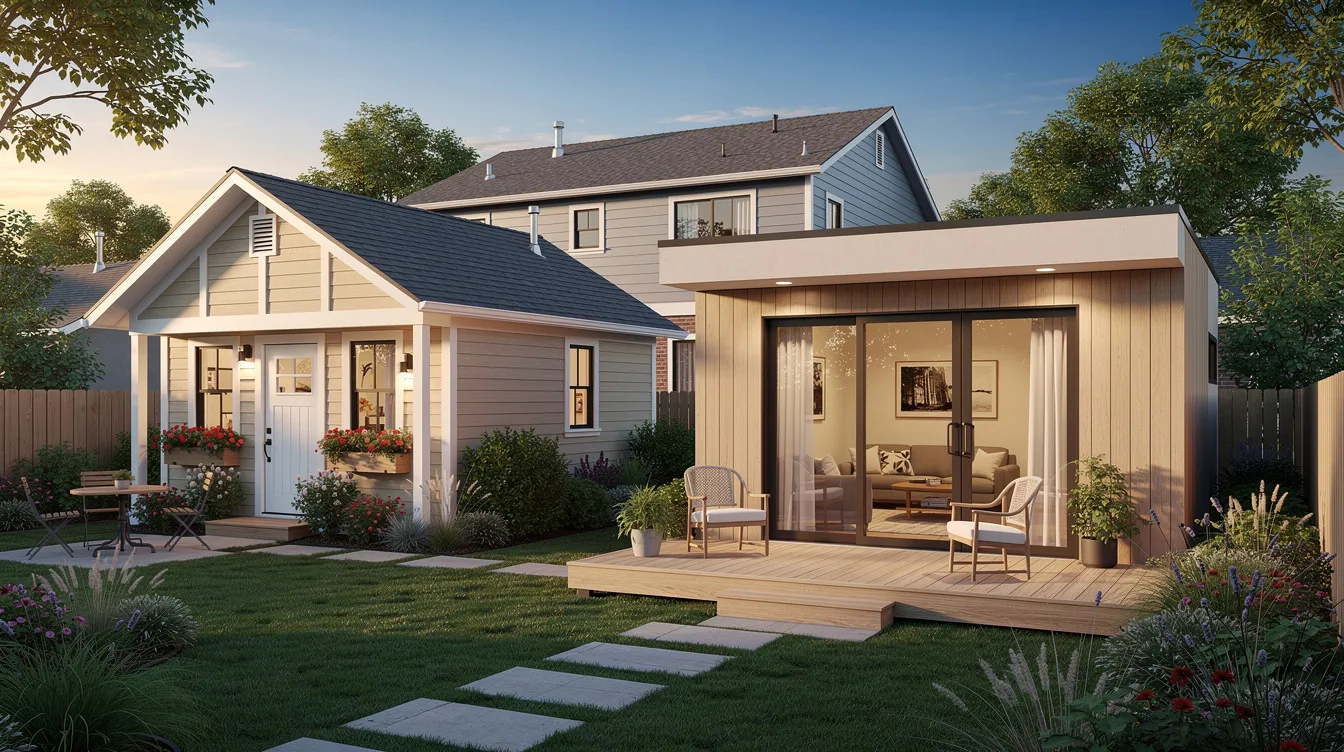
ADUs - backyard apartments, carriage houses, garage conversions, and Urban Alley-Flats (compact detached units designed for tighter city lots) - are small second homes built on existing residential lots in cities like Denver, Colorado Springs, Fort Collins, Boulder, and Longmont. Common sizes fall between 400 and 800 sq ft, and they're frequently used for multigenerational living, guest quarters, or long-term rentals.
Recent Colorado initiatives encourage the use of Accessory Dwelling Units. State law HB 24-1152 now requires any municipality that allows single-unit homes to also permit one ADU as a use on that lot. Denver passed a "Citywide ADUs" text amendment effective December 2024, extending permitted ADU use across all residential zones and eliminating minimum off-street parking requirements as of August 2025. Prefabricated Modular ADUs are built to the International Residential Code standards, offering a faster path to construction than site-built options. Rules differ between cities, so confirming local ordinances is essential before breaking ground.
Small Manufactured and Modular Homes
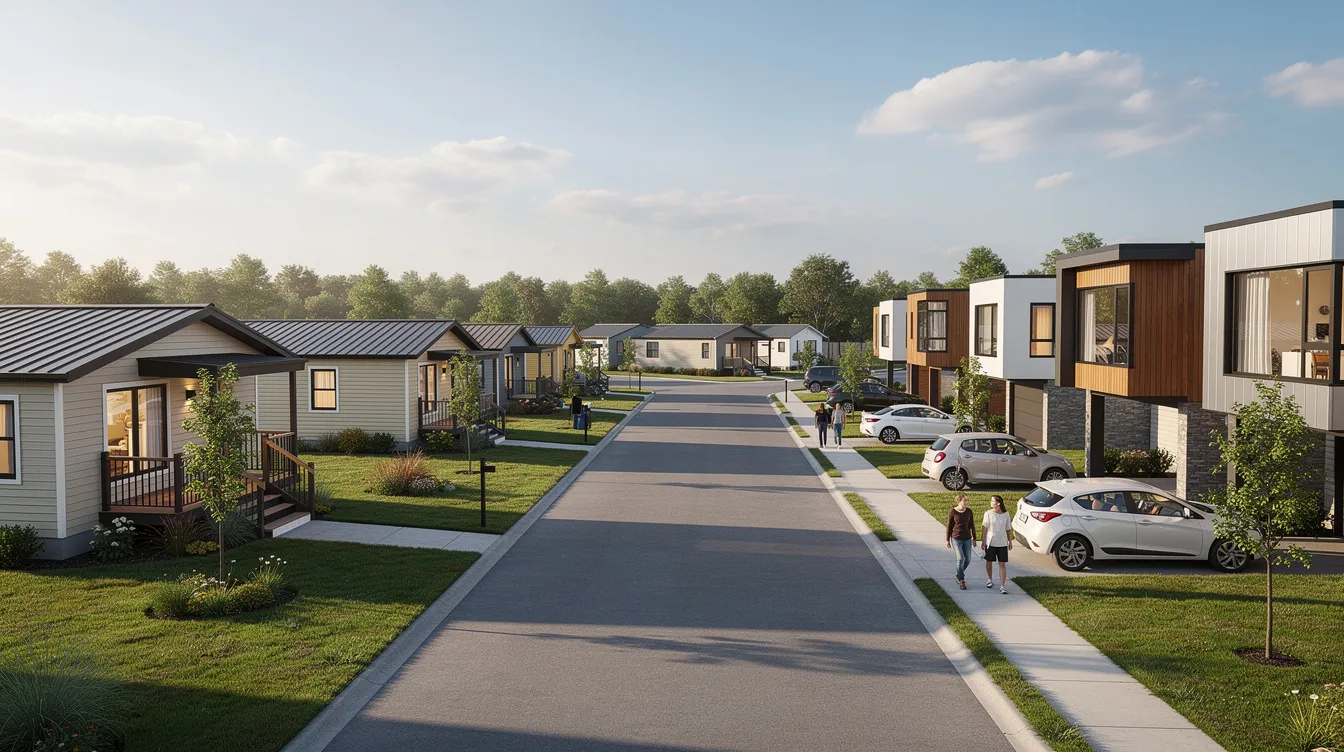
Small manufactured or modular homes in the 400–900 sq ft range can be sited in parks or on private land across Colorado's plains and mountain valleys. Prefab tiny homes range from 250 to 500 sq ft, offering models that can be customized to suit different budgets and terrain. Factory-built small homes must align with Colorado Department of Housing rules - and if they carry a HUD label, they must meet federal HUD Title 24 standards - but they can be an affordable path to small-house living with faster installation than a traditional stick-built cabin.
Because construction happens in a controlled factory environment, quality is more consistent and timelines are shorter. Modular homes require permanent foundations, while manufactured homes may be placed on piers or slabs depending on local requirements. In jurisdictions without local building departments, state-certified factory-built homes are often the most straightforward option to get permitted and occupied.
Off-Grid and Seasonal Small Homes
Off-grid cabins and tiny homes - outfitted with solar panels, water cisterns, and composting toilets - are commonly found in Park, Fremont, and Costilla counties and similar rural areas. Container homes typically measure 150 to 300 sq ft and are a popular shell choice for off-grid builds. These properties can be placed in beautiful spots without breaking rules, provided the county's zoning and health codes allow the intended use.
Some off-grid dwellings are permitted only for seasonal or recreational use, not full-time residential occupancy. Counties may still require modern systems for sanitation and water even for seasonal dwellings. Before buying off-grid small properties, verify county rules on wells, septic, and year-round residence - failing to do so can mean denial of a certificate of occupancy or legal complications down the road.

What to Look For in a Small House in Colorado
Colorado's altitude, snow, and patchwork of zoning rules make certain features especially important when evaluating a small house. Energy efficiency is a significant factor in small home planning in Colorado, and Colorado's climate affects construction specifications for homes at nearly every elevation. Here's what separates a well-built Colorado small house from one that will cause headaches.
Climate Readiness: Insulation, Heating and Snow Load
High R-value insulation is commonly used in small home construction in Colorado - and for good reason. At elevations common in Summit County or Gunnison (8,000–12,000 ft), winters are extreme, and small homes in Colorado typically incorporate energy-efficient features due to harsh winters. Look for spray foam or high-R-value batt insulation, double or triple-pane windows, and a tight building envelope that minimizes drafts.
Heating options for a 200–600 sq ft space include mini-split heat pumps, propane wall heaters, electric baseboards, and efficient wood or pellet stoves. In remote areas, electric heat may be expensive; propane or wood can be more practical. Structurally, roofs in mountain zones must meet snow-load requirements set by local building codes - steep pitches that shed snow efficiently are not just aesthetic but are legally mandated in many counties. Vaulted ceilings can add a sense of space inside a small footprint while also helping with snow-shedding roof angles.
Utilities and Off-Grid Systems
Water supply (city connection, well, or cistern), power (grid-tied or solar with battery backup), and waste handling (septic, composting toilets, or RV-style hookups) are the three utility pillars to evaluate. Many small houses near Grand Junction, Fairplay, or Hartsel rely on a mix of solar and propane - but solar output drops in winter, and backup heating or a generator is often essential.
Utility access and permits can easily add tens of thousands of dollars in Colorado, particularly when you need to bring power or water uphill to a remote site. Listings that already have existing hookups are significantly more valuable than raw land. Legal permits for septic or well drilling are critical and can delay occupancy by months, so factor that timeline into your plans.
Legal Classification and Zoning Compliance
Whether a home counts as an RV, a tiny home under DOH code, a manufactured home, or a site-built dwelling influences which jurisdictions will accept it. Colorado's zoning laws support tiny home living broadly - state law (C.R.S. 24-32-705) prohibits municipalities from imposing more restrictive standards on factory-built or DOH-certified tiny homes than on site-built homes in the same zone - but local interpretations still vary.
Some counties allow tiny homes in RV parks or planned tiny home communities only, while others permit small homes as primary residences on certain lot sizes. Over 20 counties in Colorado allow tiny homes on land, but "allowed" doesn't always mean "for full-time residence." Verify the classification on each listing (THOW vs. small cabin vs. manufactured home) and confirm that your intended use - whether full-time, rental, or seasonal - is permitted by checking county or city planning departments.
Layout, Storage and Everyday Functionality
Prioritize floor plans that fit your actual lifestyle. Loft bedrooms save floor area but require climbing a ladder - not ideal for everyone, particularly in the middle of a cold night at 9,000 feet. Main-floor bedrooms are more accessible but eat into your kitchen and living space. If you work from home, a dedicated nook matters more than a second sleeping loft.
In high-altitude towns where bulky winter gear is part of daily life, built-in storage, gear closets, and covered entry spaces become critical. Evaluate ceiling height in the main living area - it should feel open, not cramped. Window placement for passive solar gain is worth considering in Colorado's sunny climate: south-facing glass can meaningfully reduce heating costs in autumn and winter. Good circulation for furniture movement and emergency egress is a detail that's easy to overlook on a floor plan but hard to fix later.
Location: Mountains, Front Range or High Desert
The region you choose dramatically shapes your experience and budget. Mountain resort areas - Breckenridge, Telluride, the Steamboat region - offer direct access to nature, skiing, and hiking, but land is scarce and expensive, labor rates are higher, and transporting materials uphill adds real cost. Front Range cities like Denver, Boulder, Colorado Springs, and Longmont offer proximity to urban services, jobs, and infrastructure, with ADUs and small infill homes as the most practical small-house options. Western-slope and high-desert areas around Grand Junction and Durango tend to be more affordable but may involve greater isolation, harsher conditions, and water scarcity.
Location also affects wildfire risk, avalanche zones, road access in winter (think snow plows and steep driveways), and proximity to schools and healthcare. A small house that's perfect in autumn might be unreachable in January without a four-wheel-drive vehicle and a plowed county road. Cross-check commute distances, school access, and health-care proximity for any property that's more than a seasonal dream.
How to Choose the Right Small House in Colorado
With so many types, locations, and price points, narrowing down your ideal small house in Colorado comes down to a handful of honest decisions. Colorado has become progressive in supporting alternative and small-scale housing, which means you have more options than ever - but that also means more homework. Use these criteria to filter your search:
Primary use (full-time, vacation, rental) - A year-round home needs residential zoning, reliable utilities, and enough space for daily comfort. A vacation cabin or Airbnb rental can be smaller and more remote, but short-term rental rules vary by county. Clarify your plans before you start shopping.
Desired mobility - Decide whether you want a THOW you can relocate between communities and parks, or a permanent foundation home or ADU that stays put and builds equity. Mobility offers flexibility; permanence offers financing options and stability.
Budget and total project cost - Include not just the purchase price but land (if needed), site preparation, permits, utility connections, delivery to steep mountain sites, and ongoing lot rent, HOA fees, or park fees. Tiny homes in Colorado are 30–50% cheaper than traditional homes, but the gap narrows when you add land and infrastructure.
Location and elevation - Weigh being close to ski resorts or national forests against more affordable plains or western-slope communities. A 2023 survey found 41% of buyers want affordable homes - if that's you, look beyond the resort towns.
Comfort and accessibility needs - Consider whether loft ladders are acceptable long-term, if you need a main-floor bedroom, and whether you need room for family members or pets. A 200 sq ft THOW and a 700 sq ft cabin on a foundation are both "small houses," but they offer very different daily comfort levels.
Where to Find Small Houses for Sale or Rent in Colorado
Options range from individual tiny homes with land - there are currently 133 tiny homes with land for sale in Colorado - to small houses in established communities and park-model setups in RV or tiny home parks. Over the last five years, tiny home sales in Colorado increased by 27%, and Rocky Mountain Tiny Homes saw a 40% increase in inquiries since 2021, reflecting strong and growing demand. Colorado leads the nation in the percentage of listings undergoing price cuts, which means patient buyers may find negotiating room.
TinyHomeMap aggregates Colorado listings for small houses, cabins, THOWs, builders, and tiny-home-friendly land on a searchable map interface, making it easier to compare what's available across the state. Additionally, many tiny house builders offer custom solutions - some, like Tiny Building Experts, have guided over 1000 clients to "Go Tiny," and can help you create a home designed for Colorado's conditions. Several builders in the region offer custom solutions tailored to snow load, off-grid readiness, and specific lot constraints.
Quick search tips:
Filter by square footage (e.g., under 400 sq ft or 400–800 sq ft) to match your definition of "small."
Use a map zoom to focus on specific regions like Fairplay, Woodland Park, Durango, Grand Junction, or Colorado Springs.
Look for tags like "off-grid," "with land," "community," or "ADU-ready" to quickly narrow results to your preferred setup.
Compare multiple listings side by side and pay attention to what's included - some listings bundle land and utilities, while others are structure-only.
Costs of Small Houses in Colorado
Colorado small house prices vary enormously based on type, location, size, and whether land is included. Here are approximate ranges as of the mid-2020s to set realistic expectations:
Tiny houses on wheels (new, builder-built): $80,000–$150,000+ for turnkey units of 150–350 sq ft, depending on insulation packages, off-grid upgrades, and finish level. DIY or shell options can start around $45,000–$70,000 if you provide labor.
Used tiny homes: Listings in Colorado show prices from roughly $20,000 up to $130,000, with an average listing price around $60,000 for units of about 200–300 sq ft.
Small cabins or tiny homes on foundations: Including site work, utilities, and finish, expect $100,000–$180,000+ in accessible locations. In desirable mountain counties, homes with land can run $300,000 to over $1,000,000 - the average listing price for tiny homes with land is $524,540, and land for tiny homes costs about $14,790 per acre in Colorado.
ADUs and backyard cottages (Front Range): Build costs generally fall between $100,000 and $200,000, depending on finish level and existing infrastructure on the lot. This is separate from the value of the main property.
Ongoing expenses: Lot rent in tiny home or RV parks ranges from several hundred to over $600/month. Property taxes, utilities, heating fuel, snow removal, and community or HOA fees add to the story. Buyers should compare multiple listings and factor in hidden costs like winterization upgrades and road maintenance.
Frequently Asked Questions About Small Houses in Colorado
These are the questions that come up most often when people start exploring small-house living in Colorado.
Are small houses legal to live in year-round in Colorado?
Legality depends on local zoning and how the home is classified. A tiny house on wheels may be treated as an RV and restricted to RV parks or seasonal use, while a small cabin on a foundation or an ADU typically qualifies for year-round occupancy if it meets local building codes. Over 20 counties in Colorado allow tiny homes, and Colorado's zoning laws generally support tiny home living - but "allowed" and "allowed as a permanent full-time residence" are not always the same thing. Check with county or city planning departments, and look for tiny-home-friendly communities and parks that are set up for long-term stays.
How much does a small house in Colorado typically cost?
Tiny homes in Colorado are 30–50% cheaper than traditional homes, but total costs depend heavily on whether land is included, how remote the site is, and what utilities need to be connected. A used THOW might cost $20,000–$60,000, while a new turnkey build runs $80,000–$150,000. Small cabins with land near resort towns can easily exceed $500,000. The key is to budget for the full project - structure, land, site prep, permits, and utility hookups - not just the sticker price on the home itself.
Can I put a small house on my existing lot in Denver or other Front Range cities?
In many Front Range cities, building an ADU or backyard cottage is now possible thanks to recent state and local rule changes. Denver's 2024 citywide ADU expansion allows them across all residential zones, and state law HB 24-1152 requires municipalities to permit at least one ADU on lots allowing a single-unit home. However, rules on setbacks, height caps, maximum size, utility requirements, and parking vary between Denver, Colorado Springs, Fort Collins, Boulder, and Longmont. Confirm your city's specific ADU ordinances before purchasing plans or hiring a builder.
How do small houses handle Colorado winters?
Proper insulation, skirting (for homes on wheels), freeze-proof plumbing, and a reliable, correctly sized heating system are non-negotiable at elevation. Many Colorado-built tiny homes are designed for four-season use, but buyers should confirm specs like insulation R-values, window glazing, and heating capacity with the builder or seller. At 9,000+ feet, a home that's comfortable in autumn can become dangerously cold in January without the right building envelope and heating setup. Don't worry about Colorado winters if the home was purpose-built for them - but do your due diligence if it wasn't.
Where can I park or place a tiny house on wheels in Colorado?
Options include dedicated tiny home communities (like Gemenskäp Tiny Home Community and Whispering Aspen Village, both in Fairplay), RV parks that accept long-term stays, private rural land where county rules allow, and some seasonal campgrounds. TinyHomeMap lists many Colorado communities and parks that welcome THOWs. Always verify current policies, length-of-stay rules, and whether the location is guaranteed to allow full-time residence - some parks limit stays to 180 days or require periodic relocation.
Explore Small Houses in Colorado
Small houses in Colorado offer a real path to living closer to the mountains, reducing your footprint, and creating a more flexible lifestyle - whether you're after a permanent home on the Front Range or a seasonal retreat in the heart of the Rockies. Start by clarifying your budget, preferred region, and whether you need mobility or a permanent place to land. Then browse small-house listings, connect with tiny house builders, and compare land options to find the fit that matches your plans - Colorado's small-home market has never offered more variety or better regulatory support than it does right now.
Related articles
More guides that dig deeper into the same topics.
Ready to start searching?
Browse tiny homes, plans, builders, communities and land on the interactive map.
Explore the map