Tiny Houses for Sale Under $15,000 (Real Options, Smart Choices & Photos)
15 min read · Updated October 14, 2026
By John
Affordable Tiny Houses Under $15,000: What You'll Find Here
Tiny houses for sale under $15,000 are real, purchasable options - not wishful thinking. This page covers the actual cabins, DIY kits, used tiny homes, and converted structures available in this price range as of 2024–2026, with honest detail on what you get, what you don't, and what to watch out for. Budget-friendly tiny homes in this bracket typically consist of DIY kits, unfinished shells, or pre-owned structures, and most turnkey tiny homes on wheels cost between $40,000 to over $100,000 - so expectations at the sub-$15k level need to be calibrated accordingly.
This is an information-focused guide. We don't build or sell tiny houses. Instead, we break down types, features, costs, and decision criteria so you can search confidently. Where possible, we link to real listings and examples with high-quality photographs so you can see exactly what this budget buys.

Types of Tiny Houses Available Under $15,000
Under $15,000, you're generally looking at smaller footprints (80–250 sq ft), basic finishes, or structures that need sweat equity to complete. That said, there are plenty of livable - even inviting - options across several distinct categories. Each type suits a different lifestyle, skill level, and location.
1. DIY Tiny House Kits and Cabin Shells
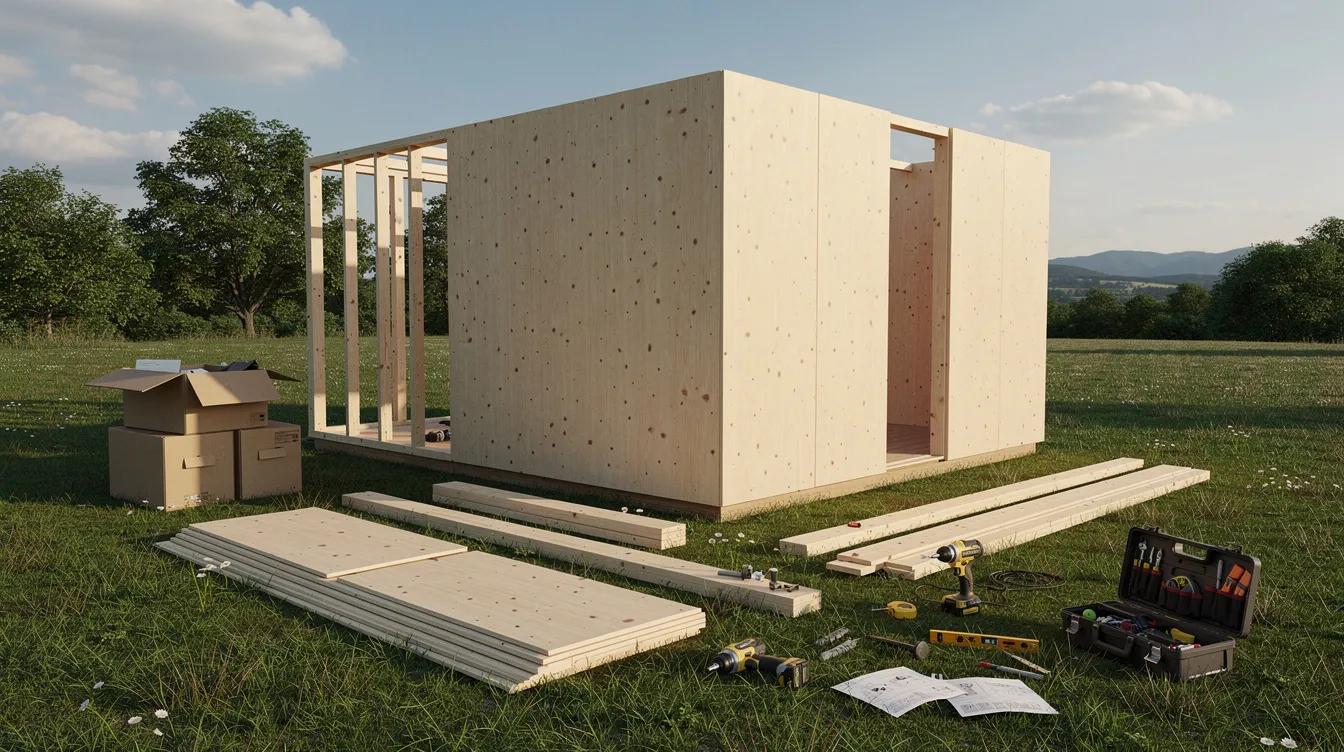
Pre-cut cabin kits and prefab shells are one of the most reliable paths to an affordable tiny home under $15,000. These typically ship as flat-packed bundles of pre cut materials - framing lumber, siding, roof boards, windows, and an exterior door - ready for easy assembly on your land.
For 120–160 sq ft, expect to spend roughly $6,000–$14,000 for the shell alone. A 160–200 sq ft cabin shell runs about $9,000–$14,000 before interior finishing. For example, PennWood Cabins offers a 12×24 (288 sq ft) kit at $10,944 that includes framing, OSB sheathing, metal roof, siding, and roofing insulation. A 20-ft flatpack folding cabin with steel frame, insulated panel walls, roughed-in electricity, and flooring is listed at $10,000.
DIY shell kits provide basic structural components which allow owners to complete the interior themselves - insulation, plumbing, interior walls, and cabinetry are your responsibility. DIY kits allow for customization of tiny homes to fit personal needs, and they can save money on construction costs significantly. Ideal buyers are handy owners willing to contribute sweat equity and who have clear instructions (or can follow detailed build manuals) to keep the total spend under $15k.
The Grey Gable tiny house costs $3,995 and is 140 sq ft, while the Lakeview tiny house is priced at $14,500 and is 228 sq ft - showing the range within this category alone.
2. Used Tiny Houses and Converted Trailers
Second-hand tiny houses on wheels, older travel trailers, and converted cargo trailers frequently list between $5,000 and $15,000. Used RVs or travel trailers can often be renovated into affordable tiny homes, and online classifieds frequently feature smaller DIY builds and converted sheds priced under $15,000.
Common specs: 80–200 sq ft, one sleeping area (often a loft), a minimal bathroom, and a basic compact kitchen, typically built pre-2020. Little Houses For Sale currently lists six homes priced between $6,000 and $14,000, with an average asking price around $9,333 and an average size of about 212 sq ft. Examples include a 200 sq ft rustic skid cabin in Oregon for $10,000 and a mobile office trailer in Pennsylvania for $13,000 with 1 bed and 1 bath. Tiny House Listings shows a 160 sq ft "Stealth Conex Tiny House" in Pueblo, CO for approximately $10,000.
Used tiny houses on wheels can sell for between $10,000 and $15,000. Pre-owned tiny homes offer character and cost savings, but the trade-offs include more wear and tear, possible code issues, and the need to inspect for structural issues and verify ownership. Buying salvaged materials can help reduce costs when finishing a used tiny home that needs interior work.
The Carpenter Owl Gypsy Tug is available for $7,000 and is just 50 sq ft - proof that ultra-compact options exist at remarkably affordable prices.

3. Backyard Offices, Studios and Micro Cabins
Backyard studios, office pods, and 80–150 sq ft micro cabins can serve as a stepping stone into tiny life. At this price point, they often start as a home office space or art studio - creating a functional room that gets upgraded later with plumbing or off-grid systems to become a guest house or weekend cozy retreat.
A container-office conversion listed in Florida for $7,500 (160 sq ft, no beds, no bath) is a typical example: a compact, durable structure with natural light, ready for the buyer to customize into whatever suits their needs. These structures are ideal as guest houses, starter tiny homes on family property, or supplementary living area on a suburban lot.
The charm of these units is their simplicity. Many feature a clean, modern interior with enough room for a desk, sofa bed, and basic storage. They're a cost effective entry point for anyone exploring the idea of downsizing without committing to a full build.
4. Off-Grid Huts, Yurts and Alternative Structures
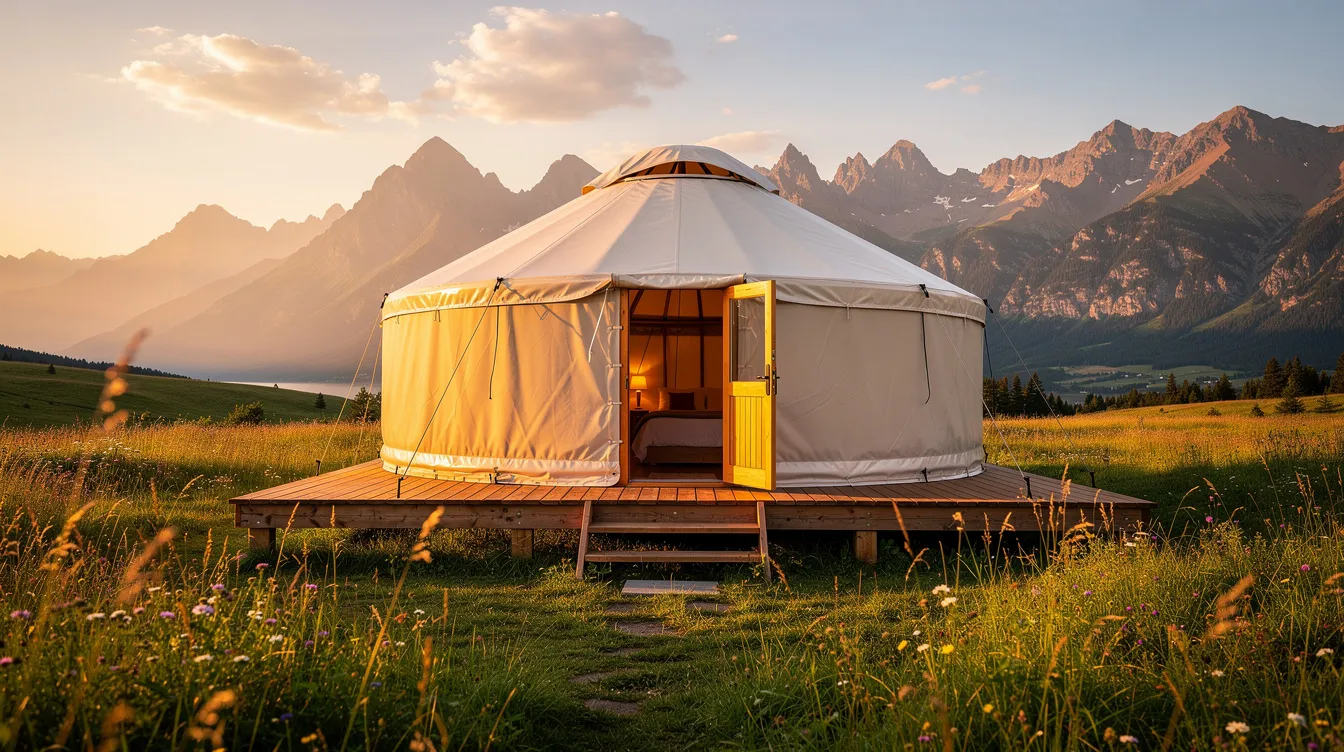
For those drawn to a more unconventional lifestyle, canvas yurts, small A-frame huts, and minimalist off-grid cabins are often available between $4,000 and $12,000 for the structure only. Weather-tight shells in the 120–160 sq ft range can start as low as $6,000, according to prefab cabin kit price guides.
These are usually best for seasonal use or mild climates unless you invest more in insulation and heating. Their appeal is strongest for remote retreats, hunting cabins, or mountain getaways - a relaxing escape crafted around simplicity. Tiny homes use fewer resources, promoting sustainability, and these alternative structures take that principle even further.
If you dream of a lakeside yurt or a forest A-frame as a weekend escape, this category delivers on affordability and atmosphere, though year-round habitation requires upgrades.
5. Tiny Homes on Foundations in Rural Areas
In some rural regions - parts of the Midwest, the South, or similar country markets abroad - basic stick-built cottages or park-model style houses sometimes appear under $15,000 as-is. These are the rarest finds in this price band, often requiring roof repair, window replacement, or an interior refresh to be fully livable, but the structure itself can be surprisingly solid.
Zoning can be more flexible in unincorporated or agricultural areas, but due diligence is critical. Many regions have specific minimum square footage and accessory dwelling unit laws that affect tiny homes. A basic structure under $15,000 may require finishing work such as plumbing and insulation, but for buyers willing to invest in improvements over time, a rural foundation home can offer durability and the permanence of owning your own home on your own land.
Key Features to Look For in Tiny Houses Under $15,000
At this affordable price point, you're prioritizing safety, structural quality, and a practical layout over luxury finishes. Tiny homes under $15,000 often lack luxury finishes - that's expected. What matters is whether the bones are good and the space actually works for daily life.
Structural Integrity and Weather Readiness
The most important feature in any budget tiny home is the structure itself. Evaluate:
Framing type: Steel frames (as in the flatpack cabin example) offer durability and resistance to rot. Wood framing is more common in kits but must be properly treated.
Roof condition: Metal roof panels or corrugated steel are typical. Look for signs of leaks, sagging, or rust - especially in used units.
Siding and walls: Budget shells often use OSB, T-111, or plywood siding. Check for water damage, warping, or delamination.
Flooring and undercarriage: On trailers, inspect the chassis for structural integrity. Inspecting the integrity of trailers is critical for mobile tiny houses. On skid cabins, check for ground rot.
When purchasing a used tiny home, it is essential to inspect for structural issues and verify ownership before completing the sale.
Insulation, Heating and Cooling
Insulation quality determines whether your tiny home is a comfortable living space or an expensive tent. Budget kits often include minimal insulation - foam board between studs or ceiling-only insulation. The 20-ft flatpack folding cabin includes insulated panel walls, which is better than average for this price range.
Typical low-cost heating options include portable propane heaters, small wood stoves, or electric space heaters. Cooling usually means window AC units or fans. Upgrading to proper R-value insulation and double-glazed windows can add $1,000–$3,000 to your total spend, potentially pushing you slightly above $15k - but in cold climates, it's non-negotiable for full-time living.
Layout, Storage and Everyday Functionality
A smart layout matters more than raw square footage. In a 120–200 sq ft home, every inch counts:
Lofted sleeping areas save valuable floor space, keeping the main floor open for a living area and kitchen
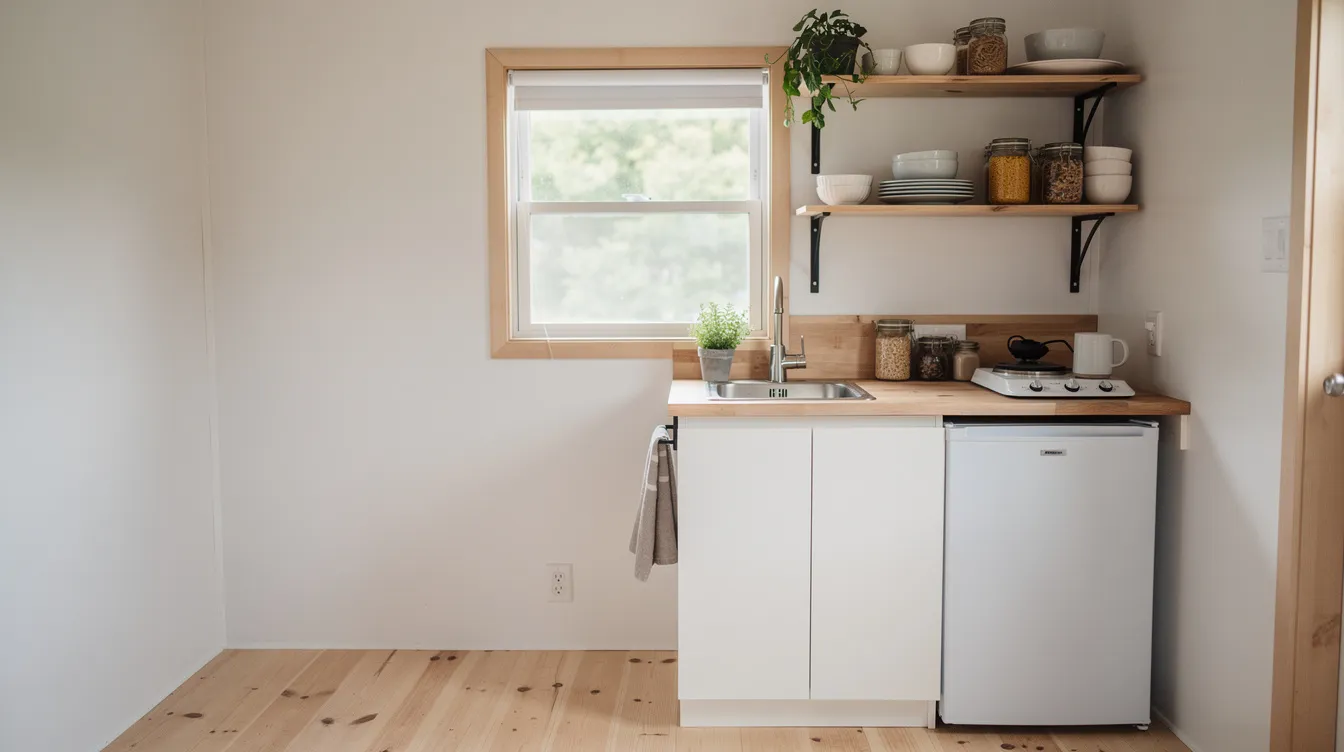
Galley kitchens or corner kitchen setups maximize counter space; tiny homes typically include a sleeping area and compact kitchen
Multi-use storage: under-bed drawers, loft shelving, and bench seating with hidden compartments are essential
Wet bath vs. separate shower: a combined bathroom saves space but requires waterproofing the entire room
Outdoor living spaces can extend your usable area significantly - a small deck or covered porch adds functional room without adding cost.
Utilities: Power, Water and Waste
At this budget, expect basic utility setups:
Electricity: Extension-cord power, a basic breaker panel, or roughed-in wiring that needs finishing. Off-grid solar kits start around $500–$2,000.
Water: RV-style hookups, gravity-fed tanks, or rainwater collection. Full plumbing hookup is rarely included under $15k.
Waste: Composting or cassette toilets are the norm; full sewage hookup adds cost and complexity.
Early-stage budgeting should consider costs beyond the initial purchase price, including utilities and permits. Plan for long-term needs when buying a tiny home - a structure you can upgrade incrementally is more valuable than one that's complete but poorly built.
Mobility, Towing and Set-Up
Understanding the difference between a tiny house on wheels (THOW), a travel trailer, a park model, and a fixed cabin matters for both legal classification and practical logistics:
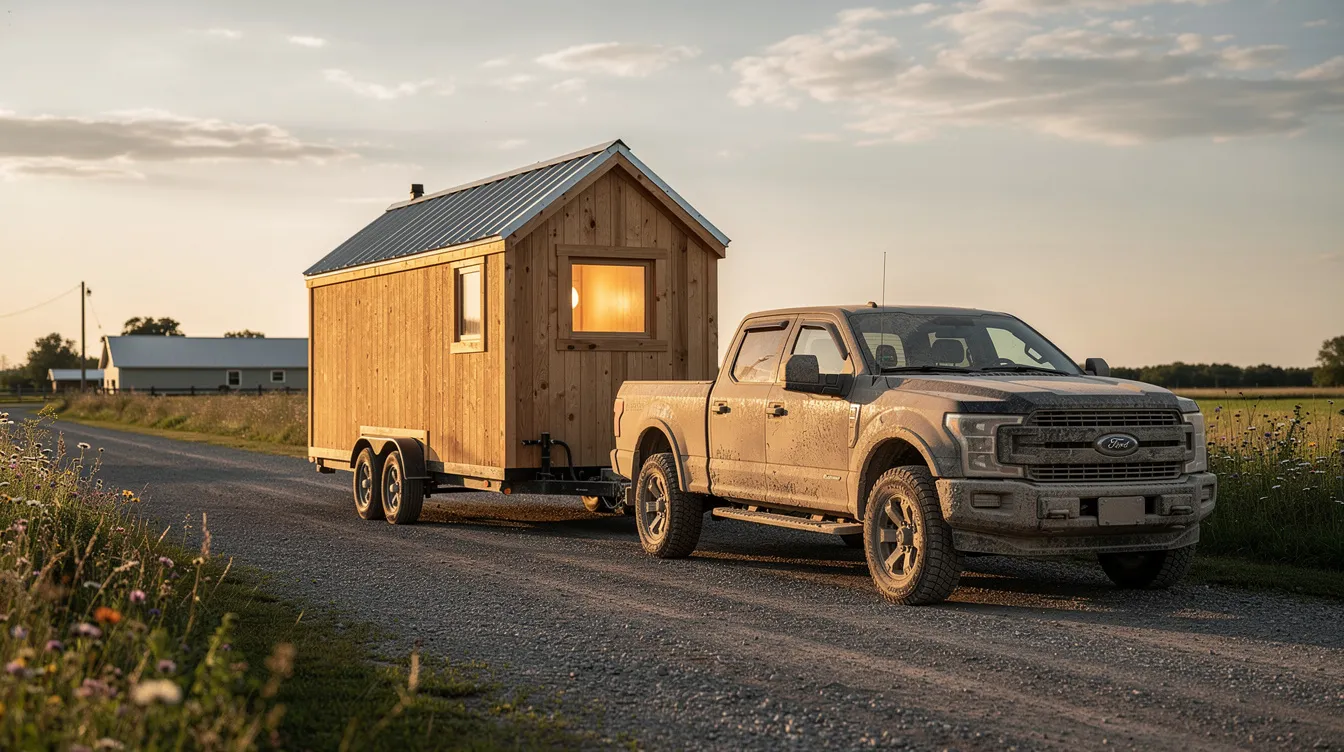
THOWs: Built on a trailer chassis, often requiring a heavy-duty truck for towing. Many budget THOWs fall in the 5,000–10,000 lb range.
Travel trailers: Road-legal, registered like RVs, easier to park in RV parks but may have size/age restrictions.
Skid cabins: Movable by crane or flatbed but not road-legal for towing. Good for rural property.
Fixed cabins: Require foundation work (piers, gravel pad, or slab) and aren't mobile once placed.
Tiny house listings often require verification of dimensions and legal status before purchasing. If mobility matters to your future plans, choose accordingly.
How to Choose the Right Tiny House Under $15,000
With so many types and trade-offs, narrowing your search quickly saves time and money. Define these priorities before you start browsing listings:
Your Primary Use (Full-Time, Part-Time, or Guest Space) - Full-time living demands better insulation, reliable utilities, and a complete bathroom. A weekend cozy retreat or guest house can be a simpler shell or studio. Living in tiny homes encourages a simpler lifestyle, but only if the space genuinely meets your daily needs.
Climate and Location - Cold climates make insulation and a safe heat source non-negotiable. Warm-weather locations allow more minimal structures and outdoor living. Your location also determines transport costs - search within 200 miles to keep delivery affordable.
Willingness to DIY vs. Need for "Move-In Ready" - Sourcing alternatives for tiny homes under $15,000 often requires a do-it-yourself approach. If you can finish a shell or renovate a used unit, your options multiply. If you need something nearly turnkey, expect fewer choices and potentially more compromise on size or condition.
Land and Legal Setup - Check local zoning laws before placing a tiny home. Where you can legally park or place the home - rural land, a tiny home community, RV park, or backyard ADU - may determine whether you need wheels, skids, or a foundation. Local zoning laws and building codes can restrict the placement of tiny homes.
Total Budget, Not Just Purchase Price - Budget for additional expenses beyond the purchase price. Transport, permits, hookups, and essential upgrades can easily add $2,000–$8,000 to your total spend. A $10,000 cabin kit that needs $6,000 in finishing work is really a $16,000 project.
Resale and Flexibility - Recognizable formats like THOWs and travel trailers are easier to resell compared with very experimental structures. If your future plans might change, choose a format with a broader market.
Realistic Cost Breakdown for a Sub-$15,000 Tiny Home
The sticker price is only part of the picture. Here's what a realistic total budget looks like in 2024–2026 for a tiny home in this category. Smaller homes require less maintenance and upkeep long-term, but getting set up involves several cost layers:
Purchase Price - $6,000–$15,000 depending on type. Prefab shell kits for 120–160 sq ft start around $6,000 at the low end; used THOWs with basic systems run $10,000–$15,000. Shells or unfinished models can be customized by buyers but come at a lower initial price.
Transport and Delivery - $500–$3,000 depending on distance, road accessibility, and whether the home needs a flatbed, tow, or crane. Keeping your search regional saves money here.
Setup and Site Work - Gravel pad, concrete piers, or skid foundation: $1,000–$5,000. Skirting, tie-downs, and basic leveling add another $500–$1,500 in many cases.
Essential Upgrades - Adding a composting toilet ($500–$1,500), a small solar kit ($500–$2,000), improved insulation ($500–$2,000), or basic plumbing ($1,000–$3,000). A basic structure under $15,000 may require finishing work such as plumbing and insulation.
Permits and Fees - Some counties require building permits, impact fees, or RV registrations, adding $200–$2,000 depending on jurisdiction. Checking local regulations is crucial before purchasing a tiny house.
Example Scenario: A $10,500 used tiny house on wheels + $1,000 transport + $1,200 for a composting toilet and basic solar kit = approximately $12,700 all-in. Or: a $10,000 prefab shell kit + $2,500 for insulation and interior finishing + $800 transport = $13,300. Both scenarios stay under $15,000 total with careful planning.
Tiny homes under $15,000 promote affordable homeownership - but only when you budget honestly for the complete cost.
Frequently Asked Questions About Tiny Houses for Sale Under $15,000
These are the questions buyers most frequently ask when searching for affordable tiny homes in this price range.
Can you really live full-time in a tiny house that costs less than $15,000?
Yes, many people do - but comfort depends heavily on insulation, utilities, and climate. Under $15k often means a simpler or smaller space that may need upgrades for year-round habitation. A well-insulated shell you improve over time is generally a better long-term choice than an ultra-cheap, poorly built unit. Tiny homes typically include a sleeping area and compact kitchen, which is enough for many people embracing a sustainable lifestyle.
What's the catch with ultra-cheap tiny houses I see online?
Common trade-offs include no utilities, unfinished interiors, questionable trailer integrity, non-permitted builds, or structures marketed as "sheds only." Always verify what's included in the price - appliances, wiring, plumbing - and what local rules allow. Tiny homes under $15,000 often lack luxury finishes, and some listings omit critical details about condition. Inspect used homes for wear and tear before buying.
Where can I legally park or place a tiny house under $15,000?
Typical options include rural private land, a tiny home community, RV parks (for homes on wheels), and - where allowed - backyard ADU placement. You can also rent land in some areas specifically zoned for tiny or alternative housing. Zoning, building codes, and HOA rules vary dramatically by city and county and must be checked before purchasing. Many regions have specific minimum square footage requirements that affect where tiny homes can be legally occupied.
Is it cheaper to build my own tiny house or buy one used under $15,000?
DIY offers control and potential savings if you have tools and skills - DIY kits allow for cost-effective tiny home construction and let you customize every detail. But the time commitment and learning curve are high. Used homes can be faster and sometimes cheaper overall, but may hide issues that cost money to fix. Many DIY builders report spending $10,000–$20,000 for a very basic THOW using thoroughly reused and salvaged materials.
How do I avoid scams when shopping for cheap tiny houses online?
Beware of listings with only stock photos, sellers who refuse video calls, or requests for full payment before viewing. Practical tips:
Ask for build date, materials, weight, utility setup, and any permits or certifications
Request additional photos and a video walkthrough before traveling to view
Use secure payment methods and written agreements
Cross-check the home's existence via satellite maps or local contacts when possible
Tiny house listings often require verification of dimensions and legal status before purchasing - do your homework before you spend.
Start Your Search: Explore Tiny Houses Under $15,000
Owning a tiny home under $15,000 is genuinely possible with realistic expectations and careful research. Whether you're drawn to a prefab cabin shell you finish yourself, a used THOW with character, or a backyard studio that becomes your first step toward a simpler life, the options are out there - compact, affordable, and waiting.
Set your budget, define your priorities using the criteria above, and start browsing current listings with photos to see what's available near you or in your dream region. Compare types - kits, used THOWs, micro cabins - and use this guide as a checklist while you evaluate each option. The market for tiny houses for sale in this price range is small but active, and the best deals go to informed buyers who know exactly what to look for.
Related articles
More guides that dig deeper into the same topics.
Ready to start searching?
Browse tiny homes, plans, builders, communities and land on the interactive map.
Explore the map