Where Can I Live in a Tiny House? (2026 Guide by TinyHomeMap)
12 min read · Updated October 17, 2026
By John
Key Takeaways
In 2026, you can legally live in a tiny house as a backyard ADU, in a dedicated tiny home community, at an RV or park model resort, on rural land with relaxed zoning, or as a vacation rental on private property.
Tiny house regulations vary significantly by state, county, and city - always verify rules with your local planning office before investing in land or a tiny home.
Tiny homes on wheels are often classified as recreational vehicles (RVs) and follow different rules than foundation-built tiny houses, which must comply with building codes like the International Residential Code.
TinyHomeMap aggregates listings for tiny home communities globally, along with land, builders, and homes for sale or rent, helping you find legal places to go tiny faster.
Introduction: How Tiny Houses Fit Into Modern Housing Rules
If you're thinking about downsizing, you've probably asked: where can I live in a tiny house? The answer depends on the type of tiny home you choose and the zoning laws where you want to settle.
In 2026, affordable housing pressure continues to grow. Rising rent and mortgage rates have made tiny homes an attractive option for people seeking a simpler life without the financial worry of traditional homeownership. But deciding where to place your tiny house requires understanding a patchwork of local rules.
Here are the main legal options for tiny house living:
Backyard ADUs in cities like Portland, Los Angeles, and Seattle
Tiny home communities and villages with long-term or seasonal pads
RV parks and park model resorts in sunbelt and vacation spots
Rural land with relaxed county-level zoning
Vacation rental sites or private property with short-term use permits
Zoning laws treat tiny homes on foundations and wheels differently. A tiny home on wheels is typically classified as an RV, while a foundation-built tiny house falls under residential building codes. This distinction shapes where each type is allowed - and what permits you'll need.
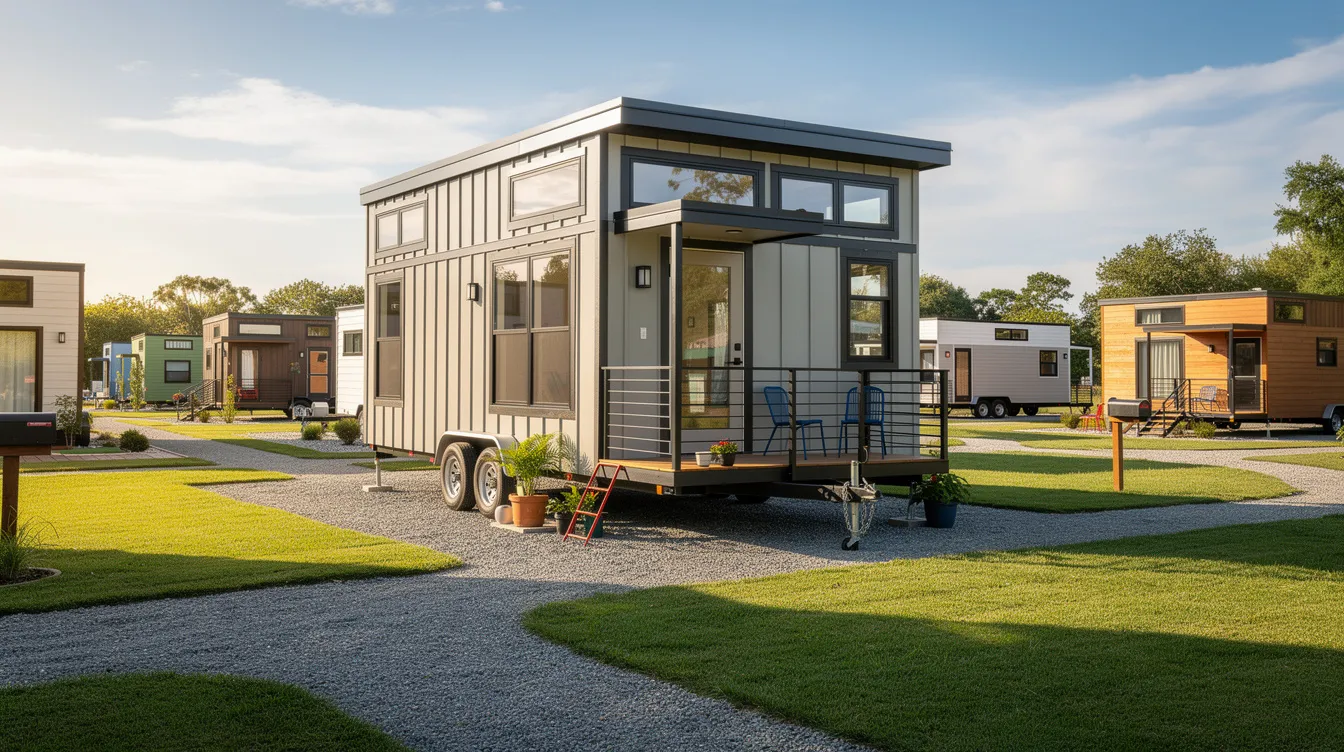
Best Places to Live in a Tiny House (By Type of Location)
Some states have enacted laws that facilitate tiny home living through relaxed zoning rules. In recent years, the best places to park or build a tiny home have expanded considerably. Here's a quick view of the most common location types in 2026:
Backyard lots (ADUs): Portland OR, Los Angeles CA, Seattle WA, Austin TX - suits foundation tiny homes and some permitted movable tiny houses
Tiny home communities: Colorado, North Carolina, Texas, British Columbia - accepts tiny homes on wheels and park models
RV parks and resorts: Florida, Arizona, coastal Oregon - best for tiny homes on wheels built to RVIA standards
Rural land: Texas, Tennessee, Maine, Nova Scotia - fewer restrictions, suits both off-grid and foundation homes
Vacation/short-term rental sites: Pacific Northwest, Smoky Mountains, European glamping - tiny home models used as guest cabins
TinyHomeMap lets you zoom into any area on a world map and filter by community, land, off-grid, or park model listings to find the right spot for your situation.
Backyard Tiny Houses as ADUs in Cities and Suburbs
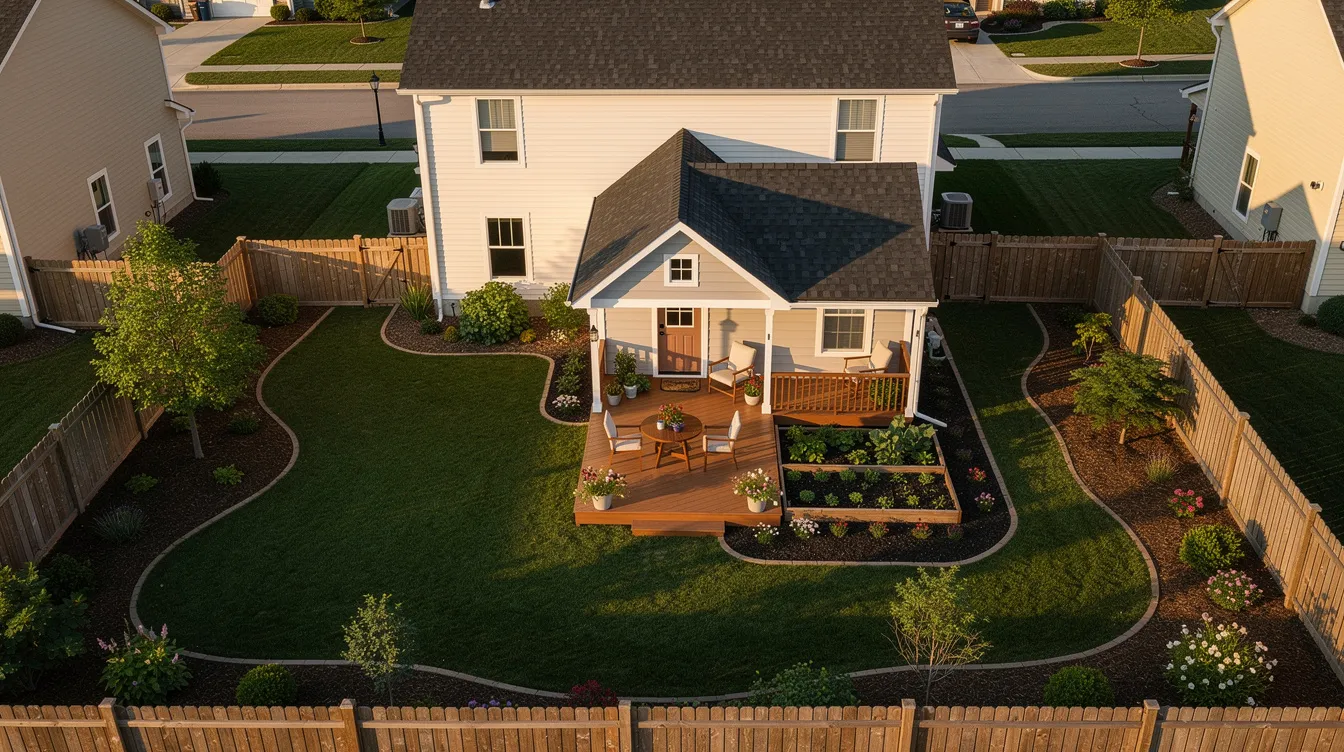
An Accessory Dwelling Unit is a secondary residence on a lot that already has a primary residence. Many cities now treat tiny homes - especially foundation-built ones - as ADUs in backyards. Accessory Dwelling Units are governed by local zoning ordinances, and the rules differ between neighbors just a few blocks apart.
Specific examples in 2026:
Portland, Oregon: Has permitted over 4,200 ADU units since 1995, with roughly 64% built after 2016. Detached ADUs are allowed across many residential zones.
Los Angeles, California: California benefits from statewide ADU legislation that aids tiny home placement. LA explicitly recognizes Movable Tiny Houses under LAMC Section 12.22 A.33, requiring utility connections, hidden undercarriages, and rear-yard placement.
Seattle, Washington: Encourages backyard cottages (DADUs) under updated neighborhood residential zoning and state bills HB 1110 and HB 1337.
Typical requirements include connection to city utilities (water and electricity are necessary for legal occupancy), minimum lot size, height and setback limits, and sometimes owner-occupancy rules. Many cities will not recognize a tiny house on wheels as a permanent dwelling but may allow it as a movable tiny house ADU under specific ordinances.
Use cases include multigenerational living, rental income, housing aging parents, or a home office. These backyard tiny homes add gentle density and serve as a response to the affordable housing shortage without changing the character of a neighborhood.
Tiny House Communities and Villages
Tiny home communities come in several forms:
Full-time residential villages with long-term leases or resident-owned lots
Seasonal or vacation tiny home resorts for part-time residents and visitors
Nonprofit tiny house villages used as bridge housing for people exiting homelessness
There are 18 tiny house villages in Washington state alone, and these villages support over 2,000 people annually. The tiny houses in these shelter villages are approximately 8 by 12 feet in size and provide safe and weatherproof living options. Communities must approve specific certifications for tiny homes to ensure they are safely constructed, and tiny home communities often include supportive services for residents such as case management and shared amenities.
In Colorado and North Carolina, full-time residential communities accept both tiny homes on wheels and park models, offering residents a legal pad, shared utilities, laundry, community building, and gardens. In British Columbia, Canada, pilot projects are testing tiny home communities in rural municipalities. In the Netherlands, the Omgevingswet allows tiny houses on wheels as year-round residences with temporary permits - typically five years, renewable for another five.
Tiny house villages suit people wanting plug-and-play legal parking without buying raw land, and those interested in social connection and shared resources. TinyHomeMap lets you filter by community or village to find options, check pricing, and see whether tiny homes on wheels are accepted.

RV Parks, Park Model Resorts, and Campgrounds
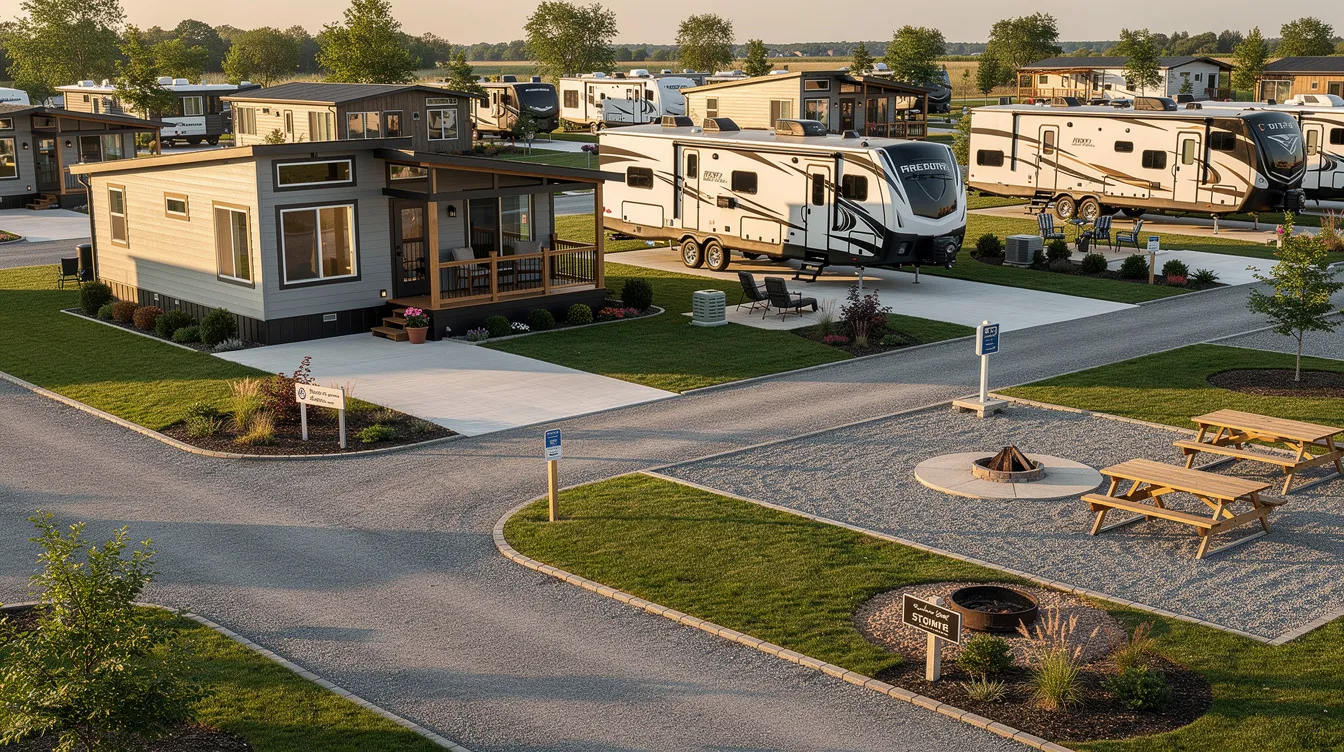
Many cities prohibit full-time use of tiny homes on wheels in residential areas - but RV parks and park model resorts remain a popular and legal alternative. Tiny homes on wheels built to RVIA or ANSI standards are often allowed in these settings.
Regional patterns in 2026:
Sunbelt states like Florida, Arizona, and Texas have hundreds of RV and park model resorts welcoming tiny homes for seasonal or year-round stay
Popular vacation regions - coastal Oregon, the Smoky Mountains, lake districts - increasingly add tiny home rentals to their offerings
Common limitations include maximum length of stay in recreational campgrounds, age restrictions in 55+ communities, and requirements for skirting and utility hookups. Park model tiny home models (10–12 ft wide, 30–40 ft long) differ from standard 8.5 ft-wide tiny houses on wheels, and listings often distinguish between them.
This option suits retirees, snowbirds, digital nomads, and anyone testing tiny living before investing in land. You can use TinyHomeMap to find park model and RV-friendly listings, complete with photos of modern tiny homes set around shared amenities like pools and clubhouses.
Rural Land, Small Farms, and Off-Grid Living
Rural property owners can sometimes allow tiny homes if local zoning permits it, and rural land often has fewer building code restrictions for tiny houses. Many people choose to place tiny homes on rural acreage where city limits and dense suburban rules don't apply.
States with historically flexible county-level rules include Maine, Vermont, Missouri, Texas, and Tennessee. In Oregon, the 2025 OSSC adopted Appendix Q for tiny house construction standards, making it easier to permit foundation tiny homes in rural counties. In Canada, rural areas of Nova Scotia and New Brunswick increasingly accept small code-compliant cabins. In Europe, rural Portugal and parts of Spain allow small cabins on agricultural land, though long-term residency rules vary by municipality.
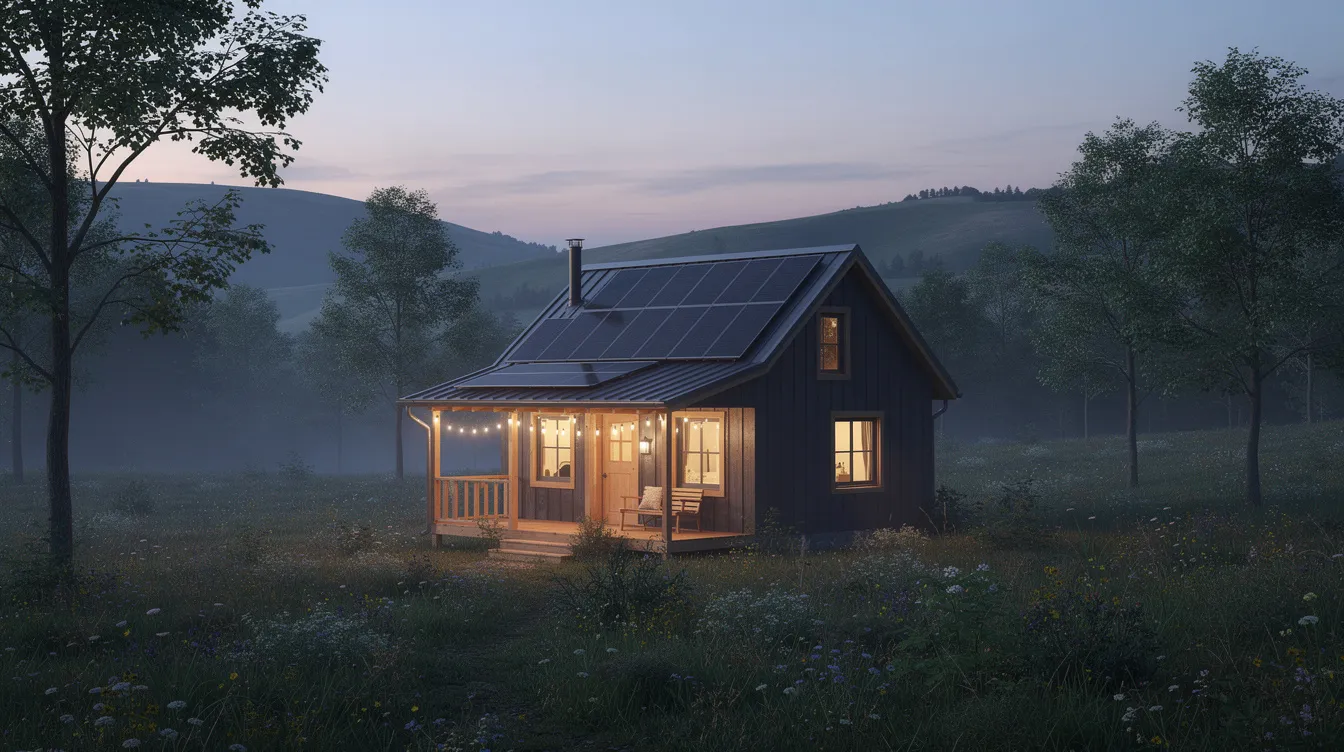
Off-grid tiny homes use solar power, rainwater catchment, and composting toilets. Code-compliant small houses on foundations connect to well, septic, or municipal hookups. Either way, check whether tiny houses are allowed only as accessory structures or as a primary residence - and whether minimum dwelling size rules apply.
This path connects to sustainable living: growing food, harvesting rainwater, and low-impact design make tiny houses attractive for eco-minded buyers with a vision of self-sufficiency. TinyHomeMap lists land for tiny homes with filters for acreage, price range, and whether the property is explicitly tiny-house-friendly.
Tiny Houses as Vacation Rentals and Second Homes
Another way to live in a tiny house - even part-time - is through short-term rentals or weekend cabins. Some cities that restrict long-term tiny house living are more permissive for licensed, safety-inspected tiny house rentals. Clusters of rental tiny homes have grown across the Pacific Northwest, lakeside and river retreats in North Carolina and Colorado, and European glamping sites in the UK and Italy.
This option suits people wanting to try tiny living before committing, owners looking for side income, or friends and city dwellers seeking a nature escape. High-quality interior photographs help visitors understand the space and comfort of a tiny home before booking.
TinyHomeMap serves both travelers searching for unique tiny home stays and owners wishing to list their rentals in a dedicated directory, separate from generic vacation rental websites.
Foundation-Built Tiny Homes and Small Houses
Foundation-built tiny homes must comply with the International Residential Code - specifically Appendix Q for houses under 400 square feet. They're permitted as primary residences on lots allowing small single-family homes, as ADUs in supportive cities, or as cottages in pocket-neighborhood zoning districts.
Small yet code-compliant tiny home models between 320 and 600 square feet can be built as single-story cottages or cabin-style homes by tiny home builders or modular manufacturers. The success of this model lies in clearer legal status: foundation homes are treated as real property, which means easier financing, better insurance options, and stronger long-term security for residents.
The trade-off is higher upfront cost, longer permitting, and less flexibility if you want to continue moving. TinyHomeMap lists builders, manufacturers, and foundation-ready designs so you can view floor plans and compare pricing.

Understanding Zoning, Codes, and HOAs Before You Move
Ultimately, "where can I live in a tiny house?" is a question about zoning, building codes, vehicle regulations, and sometimes HOA rules. Here's what each means:
Zoning: Determines what structures and uses are allowed on a property
Building codes: Set how a dwelling must be built for safety
RV/vehicle rules: Govern registration, inspection, and where RVs may be occupied long term
HOA restrictions: May ban tiny homes due to architectural and size restrictions, independent of municipal law
Many municipal zoning codes impose minimum size limits on primary homes, which can effectively ban tiny homes in certain jurisdictions. Minimum square footage laws remain one of the biggest barriers.
Quick checklist before you choose a site:
Confirm whether your tiny home on wheels is treated as an RV, park model, or movable tiny house
Ask the planning department if a tiny home is allowed as a primary dwelling, ADU, or temporary structure
Verify utility connection requirements and septic or well rules
Review HOA CC&Rs and get written approval if applicable
For rented pads, review lease terms for long-term stays and resale policies
Verification with local zoning offices is crucial before installing tiny homes. Laws in several states and European regions have changed between 2020 and 2026 to become more tiny-house-friendly - always look for current guidance and not outdated blog posts.
How TinyHomeMap Helps You Find a Legal Place for Your Tiny House
TinyHomeMap is an independent global directory that aggregates listings for tiny homes for sale and rent, land where tiny homes are explicitly welcomed, tiny home communities and villages, RV and park model resorts, off-grid plots, builders, and manufacturers.
You can search a world map by country, state, or city and set filters for price range, size, on-grid vs off-grid, dwelling type, and whether long-term living is allowed. Whether you're an individual looking for a legal long-term parking spot or a builder wanting to reach a targeted audience, TinyHomeMap makes the process easier.
TinyHomeMap reviews listings before publication to account for quality, but does not intermediate transactions. You should still perform your own due diligence on zoning, permits, and contracts.
FAQ
Can I legally live in a tiny house on my friend's land full-time?
It depends entirely on local zoning. In many places, a tiny house on wheels parked behind a friend's house is still treated as an RV and may not be allowed for full-time occupancy. Ask the local planning department whether a second dwelling or ADU is permitted, and whether a movable tiny house can qualify. Written permission from the landowner and a clear utility plan are also important. TinyHomeMap can help you find landowners who explicitly offer legal long-term tiny house pads, which is usually a safer option than informal arrangements.
Do tiny houses count as affordable housing in 2026?
Tiny homes can be significantly cheaper than conventional houses. Tiny house materials cost about $4,500, shell tiny homes start around $14,040, and tiny homes can range from $25,875 to $159,800 depending on size and features. However, turnkey tiny homes can cost over $100,000. Total costs also depend on land, utilities, permits, and local prices. Some cities and nonprofits actively use tiny homes as part of their affordable housing strategy. Compare your full month-to-month cost of tiny living - including pad rent, utilities, and insurance - with local rent to learn whether it's truly more affordable for your situation.
Is it easier to go tiny on wheels or build on a foundation?
A tiny house on wheels is faster to start, movable, and can be bought from a builder as a finished unit - but it's often limited to RV parks, tiny home communities, or specific movable tiny house ordinances. A small foundation house has more stable legal status as real property and is better for financing, but requires permits, inspections, and a suitable lot. Your goal and priorities - mobility vs permanence, budget, and where you want to live - should guide your decision.
Can I put a tiny house in an area with an HOA?
HOA regulations may ban tiny homes due to architectural and size restrictions. Many HOAs restrict additional structures, RV parking, and visible small dwellings. Carefully read the HOA's CC&Rs and seek written approval before investing. People committed to tiny living often choose non-HOA rural parcels or purpose-built tiny home communities instead - a happy trade-off for fewer restrictions and more like-minded neighbors.
How do I find a builder or tiny home model that fits my local rules?
Start with local zoning research, then choose between a tiny house on wheels, park model, or small foundation home depending on what's allowed. On TinyHomeMap, you can filter builders and tiny home models by size, type, and features, then connect with builders directly. Ask whether their homes follow relevant standards - IRC Appendix Q, ANSI A119.5, or RVIA certifications - to simplify permitting and insurance in your chosen location.
Related articles
More guides that dig deeper into the same topics.
Ready to start searching?
Browse tiny homes, plans, builders, communities and land on the interactive map.
Explore the map