Flyhomes Tiny Homes for Sale: How to Buy Your Dream Tiny Home Before You Sell
10 min read · Updated October 14, 2026
By John
The tiny house movement has made downsizing more appealing than ever, but most buyers hit the same wall: they need to sell their current house before they can afford the next one. That creates a stressful gap of waiting, temporary housing, and missed opportunities. This guide shows you how to combine Flyhomes-style buy-before-you-sell financing with TinyHomeMap's global directory to secure your next tiny home without a home sale contingency.
Answer First: Can Flyhomes Help Me Buy a Tiny Home Before I Sell?
Flyhomes is a digital real estate brokerage and financial technology company that focuses on "Buy Before You Sell" programs. It does not build or sell tiny homes directly. Instead, Flyhomes partners with loan officers and agents to offer bridge loans and equity unlock tools that let you purchase your new home before your current one sells. When the tiny home you're buying is treated as real property - on a permanent foundation, classified as an ADU, or purchased with land - these financing tools apply.
TinyHomeMap is a directory that aggregates listings for tiny homes for sale and rent, along with blueprints, builders, land, and communities. TinyHomeMap does not intermediate transactions, meaning you browse and then connect directly with sellers or builders. Together, these platforms let you find the right tiny home on TinyHomeMap and finance it through Flyhomes-style solutions before your traditional home sells.
This article covers: what counts as a tiny home, typical tiny home cost ranges, how buy-before-you-sell programs apply, and how to use TinyHomeMap to find listings that align with your financing.
What Counts as a Tiny Home Today?
Tiny homes generally fall between 100 and 400 square feet, but the category spans several distinct types. Tiny homes can range from 18 to 40 feet in length, and tiny homes on wheels can be as long as 40 feet depending on the build and trailer.
Tiny houses on wheels (THOW): Often 18–32 feet long, under 14 feet tall, registered as trailers. They offer a flexible living solution due to their mobility and work well for people who value location independence. Tiny homes can serve as rentals, mobile offices, or guest houses beyond primary residences.
Fixed tiny houses / ADUs: Built on permanent foundations, typically under 400 square feet. These can qualify as real estate and sometimes for standard or specialty mortgages, making them ideal for Flyhomes-style financing.
Park models and cabins: Usually 399–499 square feet, commonly found in tiny home communities and RV parks. Popular for seasonal living, downsizing, or retirement.
TinyHomeMap supports all these categories with filters for type, size, location, and features. For buy-before-you-sell financing, the strongest fit is when the tiny home and land are purchased together as real property.

Typical Tiny Home Cost: What You'll Really Pay
Tiny home cost varies dramatically based on whether you're building from scratch, buying prefab, or going fully custom. Here's what shoppers actually see in current markets:
DIY kits: DIY tiny home kits cost between $10,000 and $20,000 for shell packages excluding land, labor, and permits. These demand significant time and expertise.
Stationary prefab tiny homes: Range from $35,000 to $68,000 for move-in ready units on foundations. These use fewer resources to build than larger homes and tend to save money compared to traditional houses.
Mobile prefab tiny homes: Move-in ready tiny houses on wheels from a reputable builder average between $60,000 and $80,000. Brands like Tiny Heirloom, Mint Tiny Homes, and Escape Traveler anchor the higher end at $65,000–$145,000+.
Custom tiny homes: Can cost from $25,000 to over $200,000 depending on layout, finishes, and features. Premium models with luxury amenities from builders like New Frontier and Wheelhaus push into the $150,000–$235,000+ range.
Land and site work: Buyers must budget separately for land purchase (which can exceed the home cost in urban or coastal areas like Hawaii), utilities, foundations, hookups, and permitting.
Tiny homes are often more affordable than traditional homes, and Flyhomes-style equity unlock tools can cover the down payment, land purchase, and site prep costs instead of forcing you to wait until your current home sells.
Finding Flyhomes-Friendly Tiny Homes for Sale on TinyHomeMap
TinyHomeMap is an independent global directory optimized for people who need to coordinate financing alongside their search. Unlike competitors such as TinyHomeBuilders and Tiny House Listings, TinyHomeMap provides blueprints, builders, land, and communities alongside home listings - all on one searchable map.
Users of TinyHomeMap can filter listings by location, price, size, and features including off-grid readiness, RVIA certification, and ADU eligibility. When using buy-before-you-sell financing, filter specifically for "tiny homes on land" or "park models in communities" to find dwellings that qualify as real property.
Individual listing pages typically show square footage, bed/bath count, builder or manufacturer, certification status (RVIA, IRC, ADU), and asking price. TinyHomeMap reviews submissions for quality before publication, but it does not verify zoning compliance, title status, or financing eligibility. Each buyer is responsible for confirming those details.
Share TinyHomeMap listing links directly with your agent or lender so everyone works from the same concrete property details when evaluating financing options.
How Buy-Before-You-Sell Works for Tiny Homes
The core value of a buy-before-you-sell program is eliminating the home sale contingency so you can make a cash-like offer and move once. For tiny home buyers who are downsizing, this process looks like:
The sequence: Submit your current home for bridge loan or program approval. Shop for a tiny home (often with land) using TinyHomeMap and local agents. Make a stronger, near-cash offer. Move into the new home. Sell the old property afterward at full market value.
Qualifying with two payments: DTI-Buster-type tools temporarily treat the old mortgage differently so the borrower qualifies for the tiny home purchase without the old payment dragging down approval.
Equity for down payment: Equity unlock solutions let you tap into your existing home's value to cover the tiny home's down payment, closing costs, and site improvements like decks or utility hookups. Tiny homes can be financed like traditional homes with down payments when classified as real property.
Lower long-term cost: Because many tiny homes cost a fraction of a traditional home, buy-before-you-sell often results in smaller ongoing housing expenses, freeing cash for travel, savings, or early retirement.
Finalize funding options before ordering your tiny home. Eligibility depends on how the home is titled (real property vs. vehicle), local lender policies, and whether it meets standards like IRC Appendix Q or local ADU codes.
Choosing a Reputable Builder for a Tiny Home Purchase
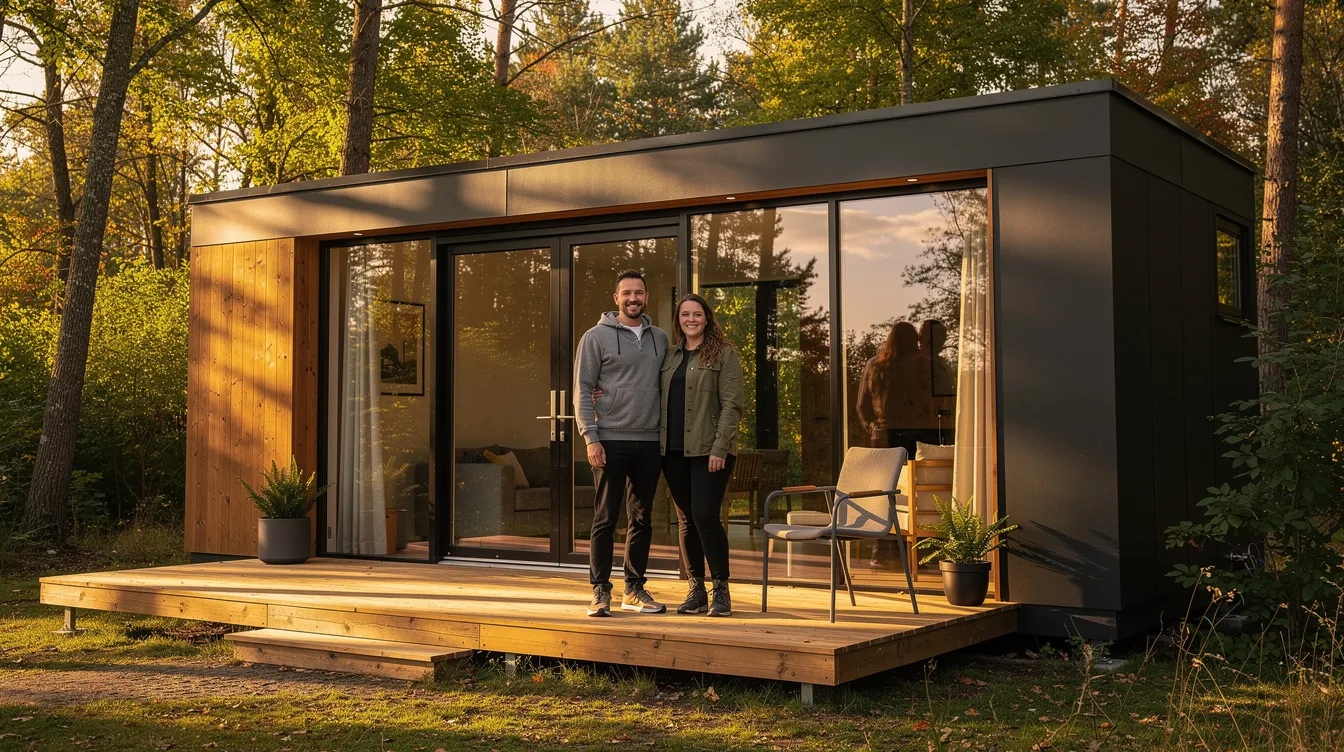
Picking a reputable builder is as important as choosing the right financing. When you're banking on equity solutions to fund a home that should last decades, quality and compliance are non-negotiable. Research builders and layouts before purchasing a tiny home.
Signs of quality: Verifiable business history, clear warranty terms, transparent pricing, and published build timelines. Tumbleweed Tiny Homes started in 1999 and builds tiny house RVs - that kind of tested track record matters.
Certifications: Prioritize builders with RVIA, IRC, or ADU certification. Brands like Tiny Heirloom, Mint Tiny Homes, and Escape Traveler are known for turn key ready units with documented compliance.
Verify in person: Request references, past project photos, and 360° virtual tours. Many builders host tiny house hotels or showrooms where you can stay a weekend to evaluate the space, layout, and build quality.
Use TinyHomeMap: The directory lets you filter by builders and manufacturers, compare models and features, then route those options to your lender to confirm which units are financeable.
Red flags: Vague contracts, no itemized cost breakdown, pressure to pay in full upfront, or refusal to discuss building codes and inspections. Avoid any businesses that won't put details in writing.
Designing Your Dream Tiny Home Without Overextending
Balancing your dream tiny home features with realistic budgets and financing approval is where many buyers stumble. Tiny homes can be customized with luxury amenities and features, but over-customization creates problems.
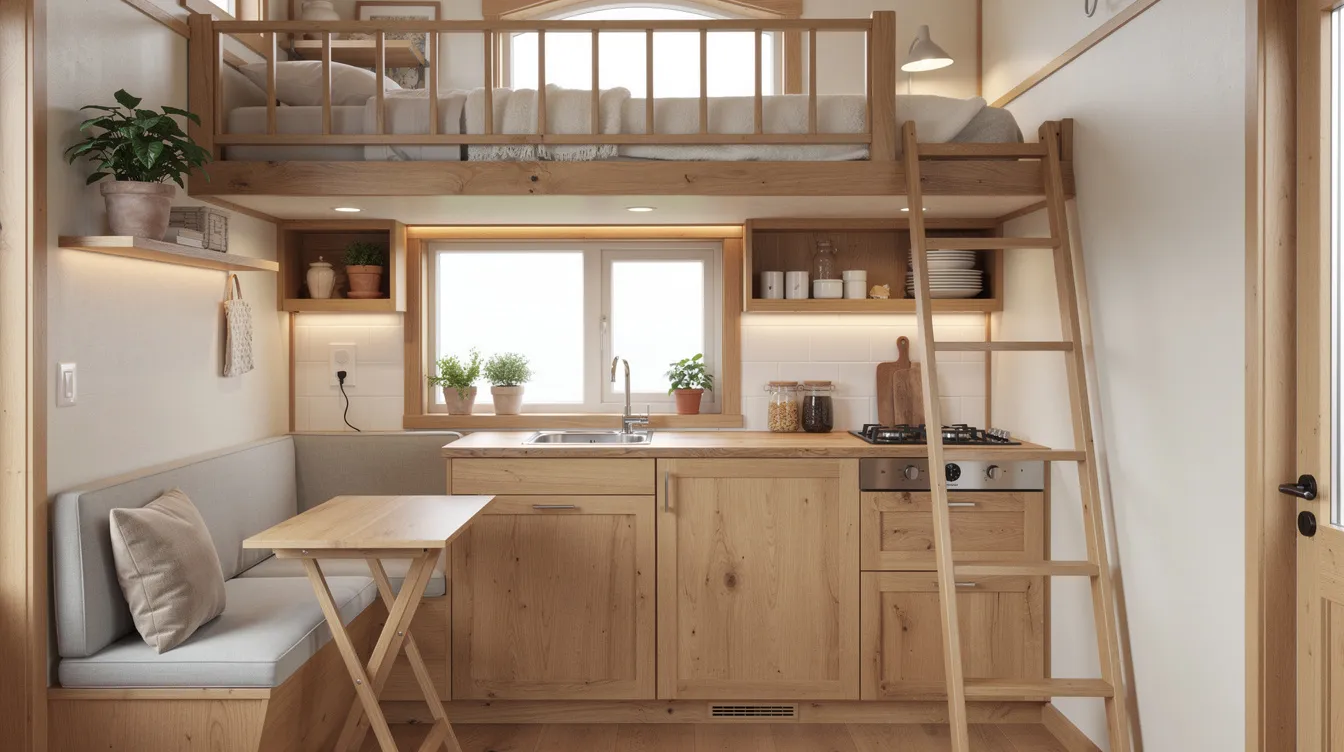
Popular layouts: Studio plans around 170 square feet for single residents, 1-bed/1-bath lofted homes around 200–260 square feet for a family or couple, and slightly larger models with main-floor bedrooms for accessibility.
High-value upgrades: Quality insulation, energy efficient windows, durable siding with 20–40 year warranties, and space-saving furnishing solutions. Many tiny homes are designed to be energy efficient, and tiny homes can significantly reduce your carbon footprint. Some can be built to Certified Green RV standards, making them environmentally friendly without sacrificing comfort.
Avoid over-customization: Overly niche built-ins or non-standard utility setups make future resale harder and may push cost beyond what a lender will support.
Use pre-designed plans: Floor plans from builders and TinyHomeMap plan listings keep pricing predictable. Layer in a few personalized features - an upgraded kitchen, a claw-foot tub - rather than going fully customized from scratch.
Budget wisely: Flyhomes-style equity unlock and cash tools can free budget for meaningful upgrades, but staying within an appraised value range is critical when a mortgage or bridge loan is involved. Order your tiny home after securing financing and design choices to protect your commitment.
Tiny Home Zoning, Legalities, and How Financing Interacts
Zoning and building codes are the single biggest factor determining whether a tiny home can be financed like a house or must be handled like a vehicle. This affects every buyer's process.
ADU-friendly jurisdictions: Some U.S. cities allow tiny homes as accessory dwelling units, cottage courts, or in designated communities, often relying on Appendix Q which covers standards for tiny homes under 400 square feet. Tiny homes may be allowed as accessory dwelling units in some areas, expanding where you can place one on private property or in a backyard.
THOW classifications: Tiny houses on wheels are frequently treated as RVs. Buyers may need to place them in RV parks, tiny home villages, or on land that explicitly permits them. Tiny houses on wheels are legal in Washington State, but zoning laws vary by city and county there, and tiny homes must meet Washington State Building Code standards.
Why it matters for financing: Conventional and bridge loans require real property, clear title, and residential code compliance. If the unit is classified as a mobile vehicle, a lender may not support it through standard mortgage or buy-before-you-sell channels.
Do your homework: Contact planning departments, HOA boards, and park or community managers before making any commitment. Share those findings with your agent and lender early in the process.
TinyHomeMap's role: The directory reviews listings before publication but cannot guarantee zoning compliance or legality. Each buyer must verify placement rules, connect with local authorities, and confirm whether the property qualifies for buy-before-you-sell lending products.
Step-by-Step: Using TinyHomeMap with Flyhomes-Style Solutions
Combining search, due diligence, and financing into a single workflow makes the entire life transition smoother. Here's how to maximize your chances of a clean move.
Start by assessing your current home's equity and consulting with a Flyhomes-style loan officer and agent. Get pre-approved for a buy-before-you-sell program or bridge loan so you know your budget before you fall in love with a listing.
Next, shortlist properties on TinyHomeMap. Filter by budget, location, and home type. Narrow to listings that include land or sit in approved tiny house communities to create the strongest financing profile. Explore different models, compare pricing, and save your favorites.
Then conduct due diligence: verify zoning with local authorities, confirm building standards and the age of the unit, and review any community rules. Use details from the listing plus direct contact with owners, builders, or community managers.
When you're ready, make a stronger offer by leveraging cash-like or contingency-free terms. Sellers and community operators consistently favor bids without a home sale contingency over those with one.
Finally, close the loop. Move once into your new home. Delivery includes connecting utilities after the tiny home is installed. Then list and sell your old property at market value. Use the proceeds to retire the bridge loan and invest any remaining equity in the lifestyle you moved for - whether that's travel, savings, friends, or additional land.
The tiny house movement doesn't require you to gamble on timing your home sale perfectly. With the right tools and support, you can explore tiny living on your own terms.
Start browsing tiny homes for sale on TinyHomeMap today, share your favorites with a qualified agent, and take the first step toward a simpler, more intentional way to live.
Related articles
More guides that dig deeper into the same topics.
- Legal & ZoningBuilding Codes for Tiny Homes: Legal Requirements
- Types & AlternativesPark Models and Cabins: Alternative Tiny Living
- Legal & ZoningZoning Laws and Tiny Homes: What You Need to Know
- BuyingDo Tiny Homes Appreciate in Value? A Realistic 2026 Guide
- BuyingTiny Home Under $10K: Affordable Designs, Real Builds & Where to Find Them
Ready to start searching?
Browse tiny homes, plans, builders, communities and land on the interactive map.
Explore the map