Location & Relocation

Moving a Tiny Home: Transportation and Relocation

13 min read · Updated March 13, 2026

By John

One of the best things about a tiny house on wheels is that it can move with you — but moving one is not like towing a camper. Here is a practical guide to transporting and relocating a tiny home safely.

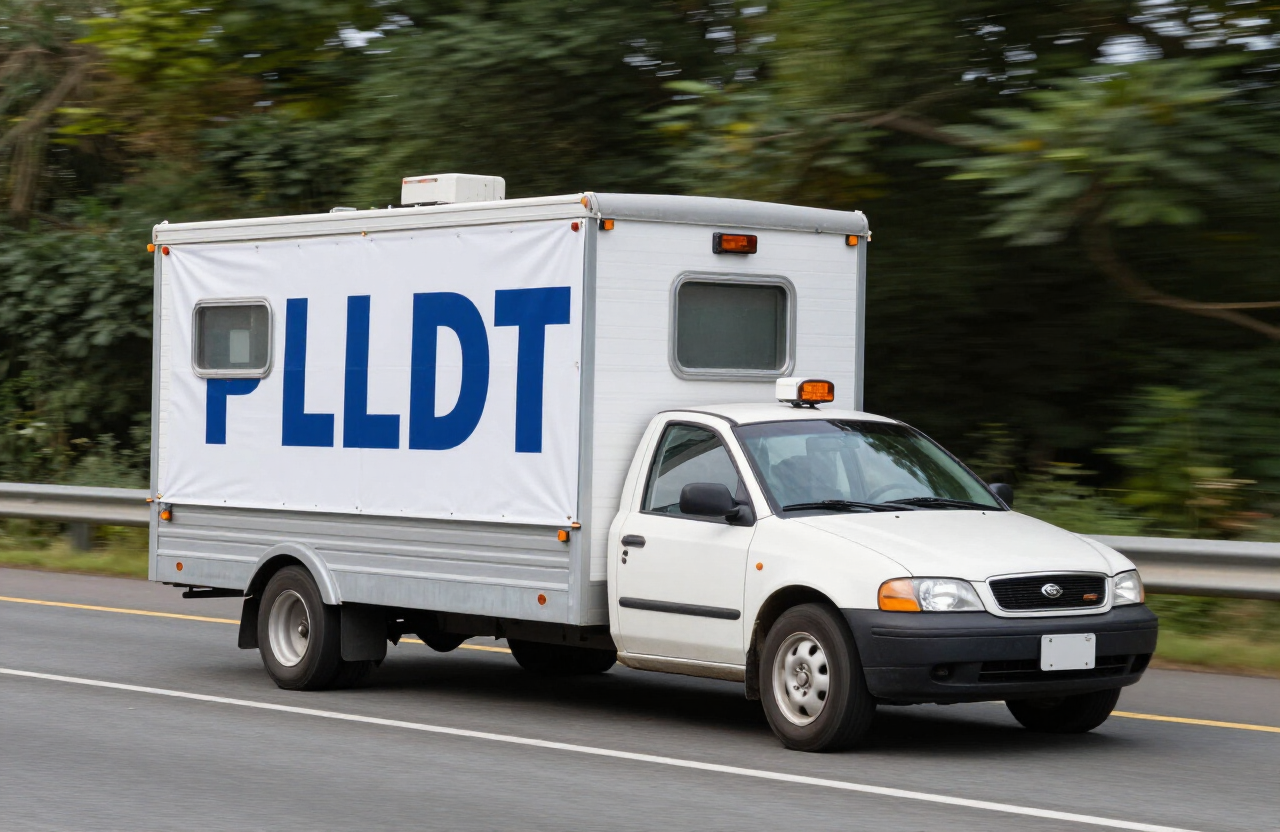
Tiny house on wheels being towed down a rural highway by a heavy-duty pickup truck on a clear day

Moving a tiny home is not moving an RV

A tiny house on wheels is heavier, taller, and less aerodynamic than the travel trailer it resembles, and that changes everything about moving it. A typical 24-foot tiny home weighs 10,000 to 14,000 pounds — two to four times a comparable RV — and stands 13 feet 6 inches tall, right at the bridge-clearance limit. Moving a tiny home means planning for weight, height, permits, and a route that avoids low bridges and tight turns. Treat it as a logistics project, and the move becomes manageable. Browse tiny homes for sale or communities and land if a relocation is on the horizon.

Know your home's weight and dimensions
Before anything else, get an accurate weight and measurement. Weigh the loaded home at a commercial scale to confirm it is within the trailer's axle rating and your tow vehicle's capacity, and measure the exact height, width, and length. Most tiny homes are built to 8 feet 6 inches wide to stay road-legal without a wide-load permit, and 13 feet 6 inches tall to clear bridges. Anything wider, taller, or heavier than standard limits triggers permit and escort requirements. Do not guess these numbers — a mistake here is a fine or a sheared-off roof.
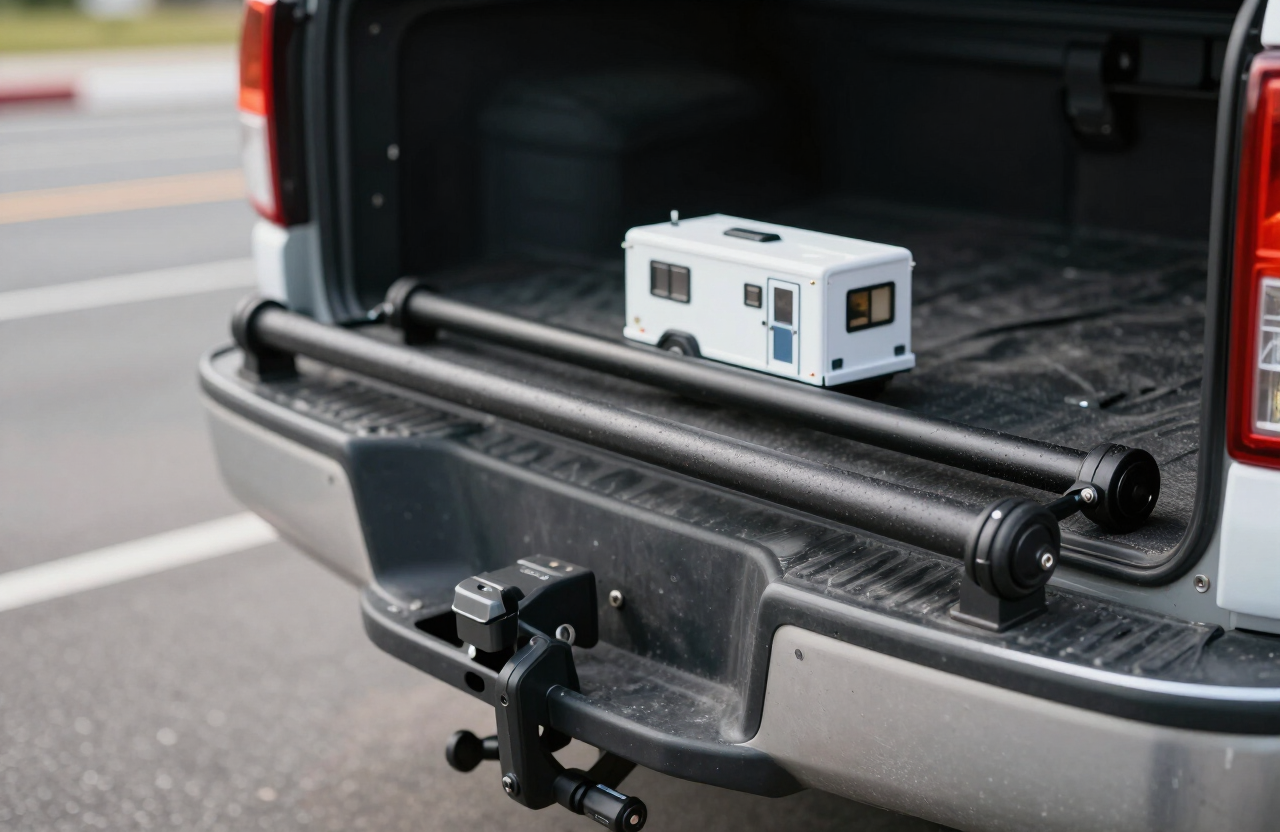
Close-up of a trailer hitch and weight distribution bars connected to a pickup truck for towing a tiny home

Choosing the right tow vehicle

A heavy-duty truck is almost always required. A one-ton dually (Ford F-350/F-450, Ram 3500, Chevy 3500) with a diesel engine and a gooseneck or weight-distribution hitch is the common choice for a 10,000+ pound tiny home. Match the truck's tow rating to the home's loaded weight with a healthy margin — never tow at the limit, especially over hills or in wind. Use a weight-distribution hitch with sway control for a bumper-pull trailer, or a gooseneck/fifth-wheel for the heaviest homes. If your vehicle cannot handle it, hire a professional tiny home transport company.

Planning the route

Route planning is where a tiny home move succeeds or fails. Use a trucker or RV GPS that accounts for low bridges, weight-restricted roads, and tight turns, and verify any questionable bridge with a state clearance map. Avoid narrow country lanes, steep grades, and construction zones where possible, and plan fuel and rest stops that can fit a long, heavy rig. Scout the destination access in person — a beautiful site is useless if the home cannot make the final turn. Build a written route plan with alternates, and share it with someone not on the move.
Person planning a towing route on a paper map with a laptop showing low-clearance bridges

Preparing the home for the road

A tiny home must be road-prepped before it moves, or the contents and the structure suffer. Secure every loose item inside — drawers latched, cabinet doors bungeed, fragile items padded and stored low — and remove or pad anything that can shift. Disconnect and drain external water and power, retract awnings and steps, and lock all windows. Check tire pressure and condition on both the home and the tow vehicle, inspect the trailer lights and brakes, and verify the hitch, safety chains, and breakaway switch. Do a slow test tow around the block before hitting the highway.
Pilot car with an oversize load banner escorting a tiny house on wheels down a two-lane road

On the road: driving and stopping
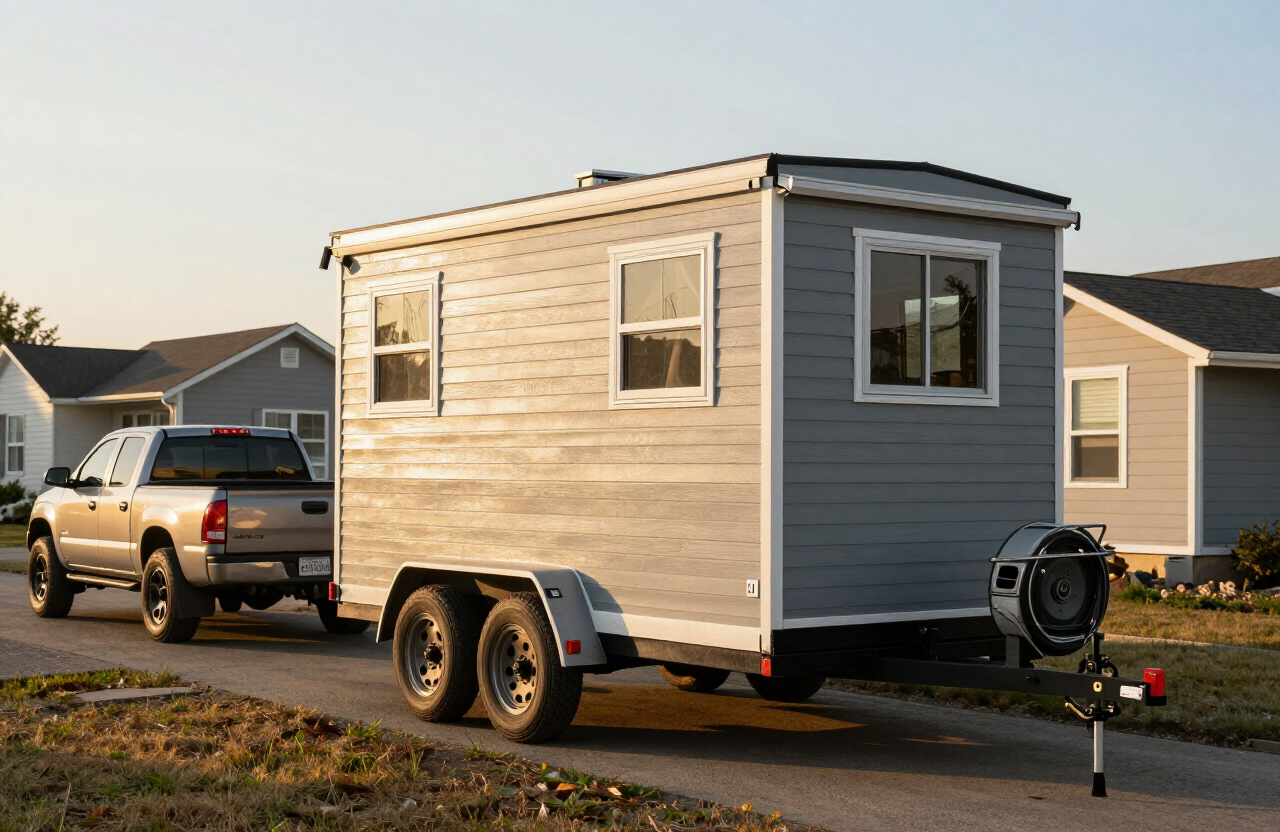
Drive slower than traffic and well below the speed limit — 55 mph is a sensible max for a heavy tiny home — and take corners wide and slow to avoid clipping the home's rear. Increase following distance dramatically, since stopping 14,000 pounds takes far longer than a car. Watch the mirrors constantly for sway, and if the home starts to fishtail, ease off the throttle and let it settle rather than braking hard. Stop every couple of hours to check the hitch, tires, and interior for shifting. Move in daylight and dry weather whenever you can.
Tiny house on wheels arriving at a new homesite being backed into position with a pickup truck at golden hour

Setting up at the new site

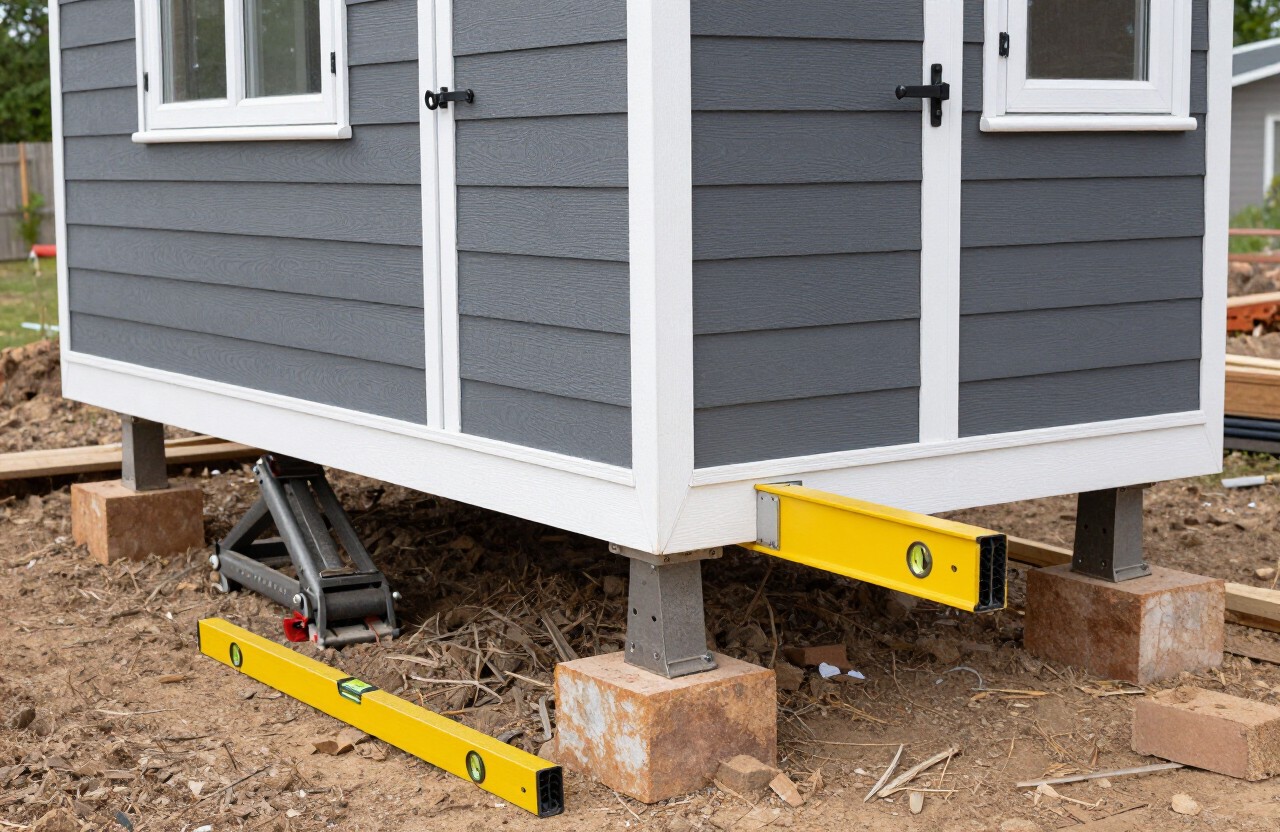
Arrival is not the end of the move — it is the start of setup. Position the home on level, well-drained ground, then level it front-to-back and side-to-side using stabilizer jacks and blocks, never relying on the tires alone. Chock the wheels, deploy the stabilizers to stop bounce, and connect utilities: shore power, water, and any sewer or septic. Reinstall skirting in cold climates, check for any damage from the road, and let the home settle a day before hanging heavy items back on the walls. A careful setup protects the home for years at the new spot.
Tiny house being leveled and set on blocks at a new site with stabilizer jacks and leveling tools

Cost of moving a tiny home

OptionTypical costNotes
DIY tow (local)$100–$500Fuel, permits, supplies
DIY tow (long distance)$500–$2,000Fuel, permits, lodging
Professional transport$1.50–$4.00/milePlus permits and escorts
Oversize escort$200–$600/dayRequired for wide/tall loads
Crane lift (if needed)$500–$2,500For tight or off-road sites

When to hire a professional

Hire a professional tiny home transport company if your home is oversize, your tow vehicle is not rated for the weight, the route is long or complex, or you simply want the liability off your hands. Professionals handle permits, escorts, and insurance, and they know the routes that work. The cost is real but often worth it for a long or oversize move. Whether you move yourself or hire it out, a planned, permitted, careful relocation keeps your home and your stress intact. Ready to relocate? Browse communities and land or tiny homes for sale built to move.

Related articles

More guides that dig deeper into the same topics.

Frequently asked questions

How much does it cost to move a tiny home?+

A local DIY tow costs $100 to $500 in fuel, permits, and supplies; a long-distance DIY tow runs $500 to $2,000. Professional transport typically charges $1.50 to $4.00 per mile plus permits and escorts, with oversize escort vehicles adding $200 to $600 per day.

What size truck do I need to tow a tiny house?+

Most tiny homes need a one-ton dually (F-350/F-450, Ram 3500, Chevy 3500) with a diesel engine and a gooseneck or weight-distribution hitch. Match the truck's tow rating to the home's loaded weight with a healthy margin — never tow a 10,000+ pound home at the vehicle's limit.

Do I need a permit to move a tiny house on wheels?+

A standard tiny home under 8'6" wide, 13'6" tall, and 40 feet long usually needs no special permit. Anything wider, taller, or heavier requires a permit for each state you pass through, and oversize loads may need pilot cars and daylight-only travel.

How fast can you drive towing a tiny home?+

Keep it around 55 mph or below, well under the speed limit. A heavy tiny home stops slowly and is prone to sway, so increase following distance dramatically, take corners wide, and stop every couple of hours to check the hitch, tires, and interior.

Can I move a tiny home myself or should I hire a pro?+

A local move with a properly rated truck and a standard-size home is reasonable for an experienced tower. Hire a professional tiny home transport company if the home is oversize, your vehicle is not rated for the weight, the route is long or complex, or you want permits and liability handled for you.

How do I prepare a tiny home for moving?+

Secure all loose items inside, latch drawers and cabinets, drain and disconnect external water and power, retract awnings and steps, check tire pressure and trailer lights, and verify the hitch, safety chains, and breakaway switch. Do a slow test tow around the block before hitting the highway.

Ready to start searching?

Browse tiny homes, plans, builders, communities and land on the interactive map.

Explore the map
>