Tiny Home Materials: Complete Guide to Choosing the Best Building Materials for Tiny Houses
12 min read · Updated October 17, 2026
By John
Choosing construction materials for tiny homes requires balancing weight and durability at every step. The right tiny house materials control your total cost, keep towing weight legal, and determine whether your home stays comfortable for decades. This guide walks through every category on a practical building materials list so you can start planning with confidence.
Key Takeaways
Building materials typically represent 30–50% of a DIY tiny house budget, making material selection the single highest-leverage decision you'll make before construction begins.
A budget build (reclaimed lumber, vinyl siding, fiberglass insulation) can keep shell costs near $10,000–$30,000, while a higher-end build (steel frame, cedar or Thermowood siding, spray foam, metal roofing) pushes $20,000–$40,000+ for a 20–24 ft home.
Weight matters: common trailer limits in North America fall between 7,000 and 14,000 lbs GVWR, so every framing, roofing, and countertop choice directly affects whether you can legally and safely tow your tiny home.
Compare wood siding, metal, and vinyl for exterior cladding; fiberglass, mineral wool, and spray foam for insulation; asphalt shingles vs. standing-seam metal for the roof-each trade-off is covered below with real 2024–2026 price ranges.
TinyHomeMap doesn't sell materials but helps you compare finished tiny houses, builders, and communities once you know what you want to build or purchase.
How Tiny House Materials Shape Cost, Weight, and Comfort
Building materials are generally 40–60% of a DIY tiny house budget and heavily influence towing weight, energy use, and long-term durability. A basic budget build might pair reclaimed lumber framing with vinyl siding, asphalt shingles, and fiberglass batts-keeping shell material costs between roughly $10,000 and $30,000 for a 20–24 ft house. A higher-end build using steel framing, Thermowood or cedar wood siding, standing-seam metal roofing, and closed-cell spray foam insulation can run $20,000–$40,000+ for a similar footprint.
The trade-off between upfront cost and long-term savings is real. Better insulation paired with metal roofing and a mini-split heat pump lowers heating, air conditioning, and maintenance bills over 10–20 years. Many tiny homes listed on TinyHomeMap specify framing and siding materials, so you can search for homes that match the material strategy you prefer before you spend money.
Structural Frame and Foundation Materials List
The frame and foundation are the skeleton of any tiny house and the first major step in any materials list. Framing materials impact structural weight and durability in tiny homes more than almost any other decision.

Wood framing is widely available and easy to work with for DIY builds. A typical 20–24 ft THOW needs pressure-treated sill plates, 2×4 or 2×6 studs, rim joists, floor joists, structural sheathing (OSB or plywood), fasteners, and metal connectors. Plywood costs about $15 for a 4' × 8' sheet. Lumber costs for tiny house framing average $3,000, with full wood framing plus sheathing running $3,000–$7,000 depending on region. Tiny house plans can include structural lumber and sheathing specifications to guide your purchase.
Trailers: a purpose-built tiny house trailer costs $3,500–$8,000 new. A trailer costs between $200 and $6,000 on the used market, but inspect carefully for rust, bent axles, and proper braking capacity before committing.
Light-gauge steel framing is lightweight and immune to pests and rot. Expect a cost premium of $4,000–$6,000 for a 20–24 ft shell compared to wood, but the structure gains durability and dimensional stability. Thermal bridging must be mitigated with continuous insulation or thermal breaks.
Stationary foundations for tiny homes include concrete piers, helical piles, and slab-on-grade. For a small 8' × 24' or 10' × 30' footprint, foundation costs range from $3,000 to $15,000+ depending on soil conditions and local permitting.
Exterior Cladding: Wood Siding, Metal, and Vinyl Compared
Exterior cladding protects the structure from weather, drives long-term maintenance requirements, and sets the visual style of a tiny house.
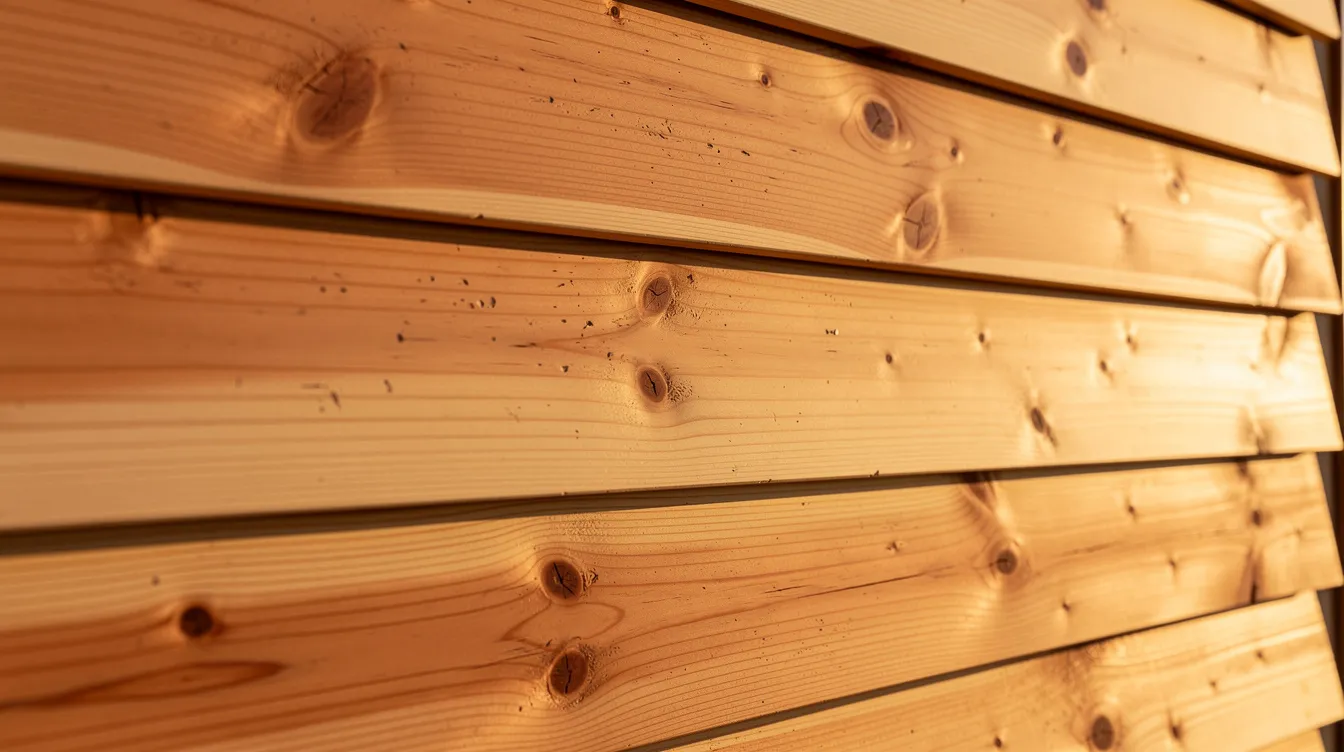
Wood siding:
Cedar and pine are the most popular choice. Profiles include tongue-and-groove, shiplap, and board-and-batten.
Pros: warm aesthetic, repairable, relatively lightweight. Cons: requires regular staining or painting, risk of warping in humid climates.
Cedar runs roughly $5–$10/sq ft installed; pine falls in the $3–$6 range. Reclaimed siding materials can cost $0 to $1,600 depending on the source and condition.
Modified woods like Thermowood offer improved dimensional stability and decay resistance through thermal modification. Lunawood Thermowood products have a lifespan of 30 years and Lunawood absorbs five times more carbon than it releases during production, making them a strong eco friendly option for harsh climates.
Metal siding:
Metal siding is lightweight, durable, and fire-resistant. Aluminum and corrugated steel panels are recyclable and generally low-maintenance.
Downsides include denting and potential oil-canning. Costs run $6–$12/sq ft installed depending on gauge and finish.
Vinyl siding:
An affordable option popular in budget builds. Lightweight with wide color selection and low maintenance.
Caution: cheap products can crack or fade. Environmental concerns exist around PVC production. Installed cost: $2–$7/sq ft with an expected lifespan of 15–25 years.
Roofing Materials for Tiny Homes
A tiny house's small footprint means any roof leak or condensation issue spreads fast. Roofing is one area where spending more upfront can save significant money and stress later.
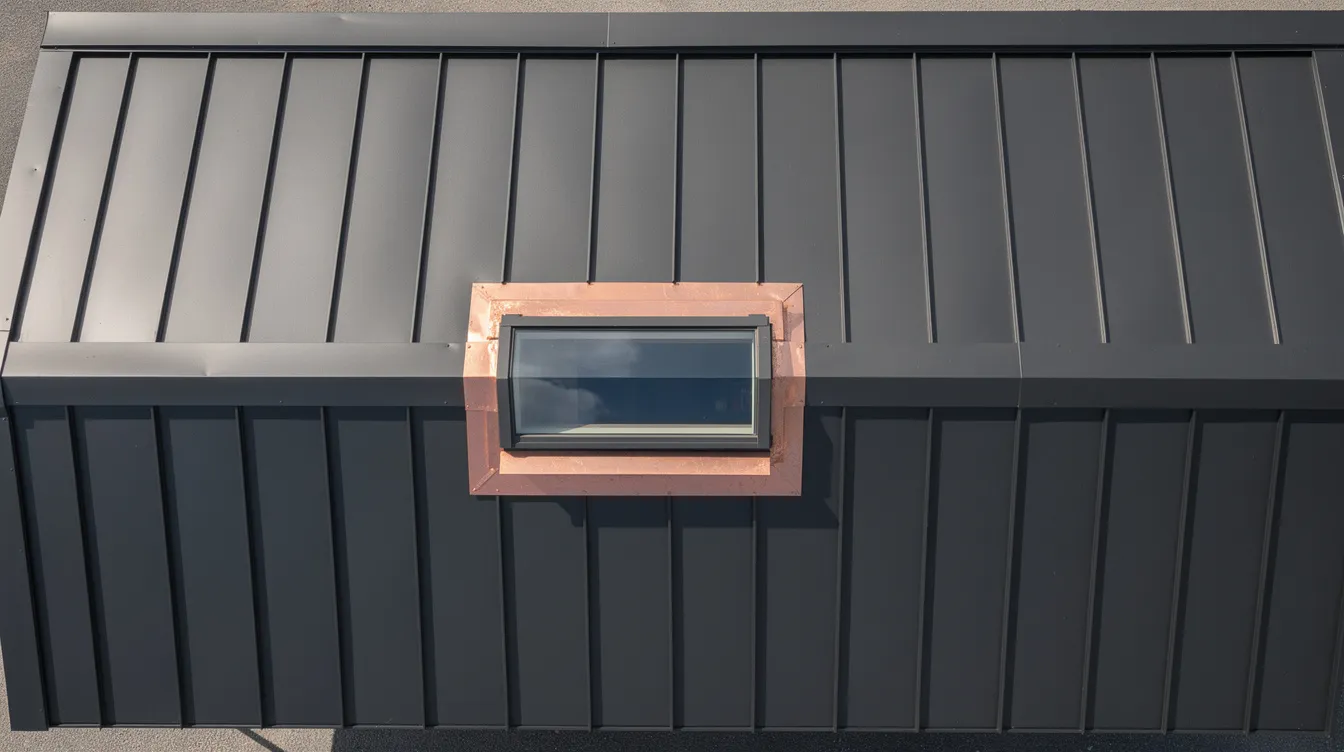
Asphalt shingles are a popular roofing choice for tiny homes. They're an affordable DIY option at roughly $800–$1,500 for a 20–24 ft tiny house with a 20–30 year lifespan. The trade-off: they're heavier and more vulnerable during high-wind towing.
Metal roofing panels (corrugated or standing seam) are the best choice for many tiny houses on wheels. They're lighter, last 40–50+ years, handle snow loads well, and pair easily with solar panels and rainwater collection. Full metal roof costs run $1,200–$3,000 for a 20–24 ft home.
Alternative materials like EPDM, TPO, or synthetic shingles suit flat or low-slope roofs. Pros include solid waterproofing; cons include detail-sensitive installation that's less DIY-friendly.
Don't forget underlayment and flashing materials: ice-and-water shield in cold climates, proper ridge vents, and butyl tape around every roof penetration.
Insulation, Air Sealing, and Energy-Saving Materials
Insulation is crucial for thermal efficiency in tiny homes. In a space this small, wall and roof cavity insulation directly determines your heating and air conditioning costs.
Fiberglass batts are the cheapest and most DIY-friendly option. Fiberglass insulation costs between $0.64 to $1.19 per foot. Moderate R-value per inch (R-11 to R-13 in a 2×4 wall).
Mineral wool offers better fire and sound performance at slightly higher cost. A strong choice for wall and ceiling cavities.
Closed-cell spray foam delivers high R-value per inch plus excellent air sealing, but requires professional installation and carries a significant price premium.
R-value targets: in cold climates, aim for R-15 to R-21 walls and R-30+ roof/ceiling. In mild climates, R-13 walls and R-25 roofs may suffice. Higher R-value indicates better insulation performance.
Structural Insulated Panels (SIPs) offer high R-values and energy efficiency, running $10,000–$18,000 for a 20–24 ft shell. SIPs reduce air leakage if joints are properly sealed.
Natural insulation like sheep's wool, cellulose, wood fiber batts, and cork appeal to builders who prefer low-toxicity materials. They generally cost more and require thicker cavities for equivalent R-values.
Air sealing materials to add to your list: high-quality sheathing tapes, outlet box gaskets, and spray foam for gaps. A well-sealed envelope can cut heating and air conditioning runtime dramatically.
Utilities on a Tiny House Materials List: Power, Water, and Air Conditioning
Even the smallest tiny home needs electricity, fresh water, hot water, heating, and often air conditioning. Plan these systems before finalizing your layout.
Solar power: a 1–3 kW off-grid system (panels, charge controller, batteries, inverter, wiring) costs $3,000–$8,000 as of 2025. Grid-tied setups run less.
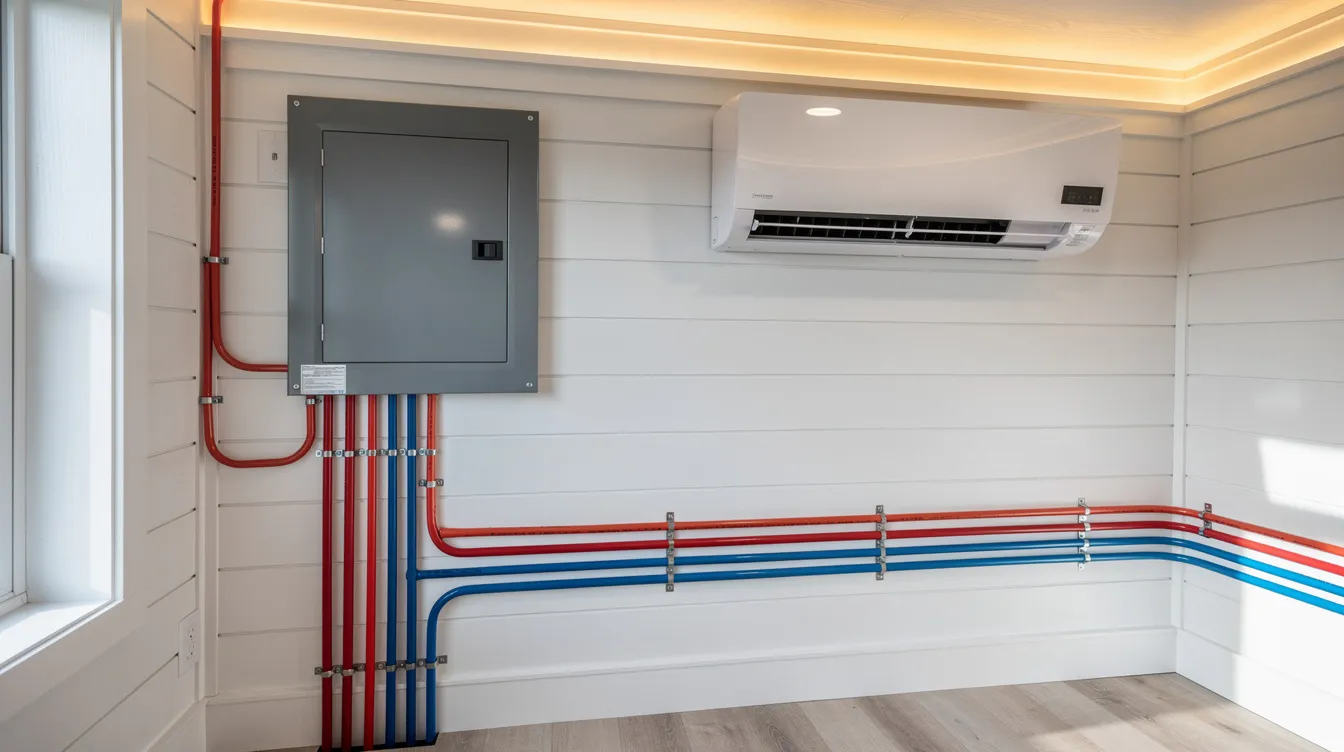
Plumbing: a basic tiny house plumbing materials list includes PEX tubing, fittings, a fresh water tank, 12V water pump, grey water tank, and either a composting toilet or cassette system. A bucket toilet can be built for $60 to $90 as the most basic solution. Second-hand windows and doors range from $50 to $500 and can free budget for better plumbing components.
Hot water: propane tankless heaters are compact; small electric tanks are simpler; heat pump water heaters are most efficient but need more space and venting.
Heating and cooling: mini-split heat pumps ($2,500–$6,000 installed) handle both heating and cooling efficiently. Alternatives include a propane stove, electric baseboards, or window A/C units depending on climate and whether your tiny house moves.
Interior Building Materials for Walls, Floors, and Ceilings
Interior building materials affect the feel, weight, and livability of a tiny home. Plan them early alongside your structural material list.
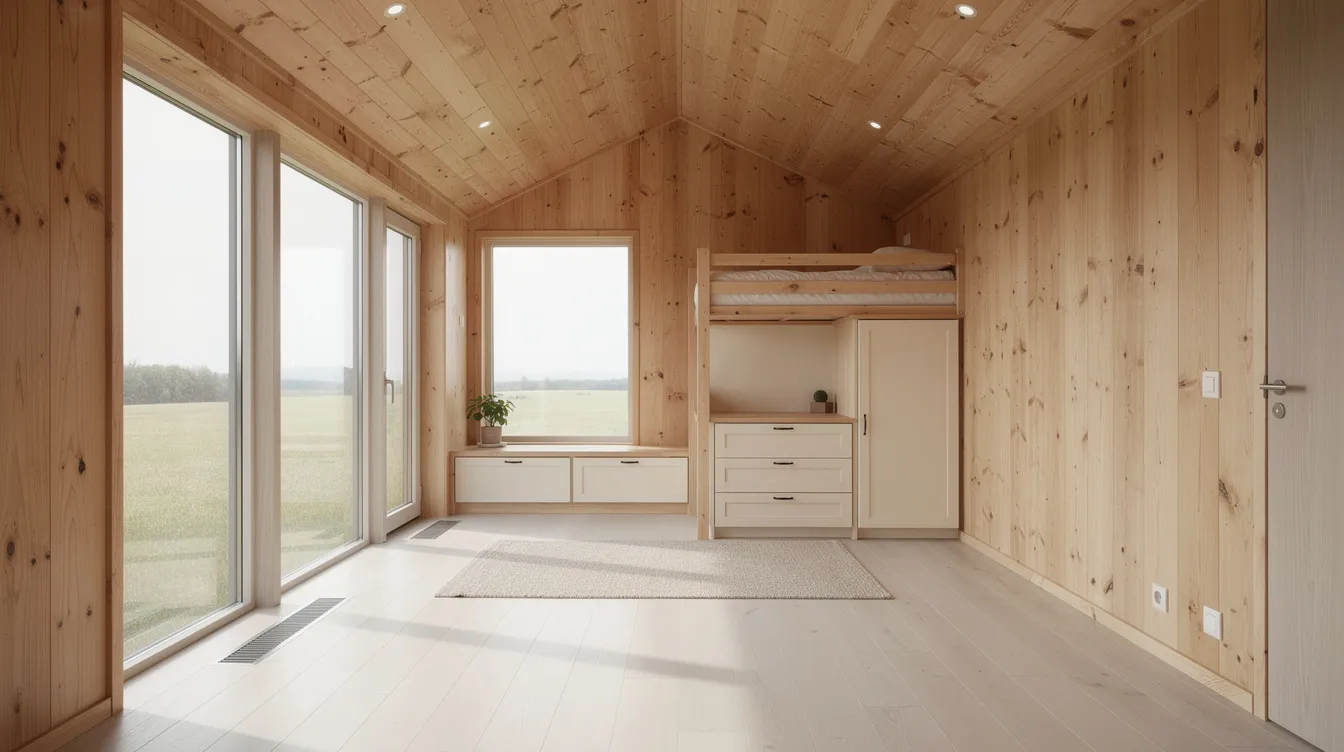
Walls and ceilings: plywood or pine tongue-and-groove paneling is the standard for tiny houses on wheels-lighter, more flexible, and less prone to cracking than drywall during towing.
Flooring: laminate flooring can be found for under $1 per square foot, making it a cheap option for tight budgets. Luxury vinyl plank (LVP) handles moisture well in bathroom and entry areas. Engineered wood and cork offer a more modern aesthetic at $4–$15/sq ft.
Low-VOC finishes: in a tiny home's small interior air volume, non-toxic paints, oils, and waxes make a real difference for air quality.
Cabinets and countertops: stock cabinets save money but may not fit around wheel wells. Custom plywood boxes add cost but maximize every inch of space. Butcher block countertops are a lightweight option versus stone or thick solid surface.
Appliances and Fixtures That Fit Tiny Houses
Tiny homes require space-saving, energy-efficient appliances chosen before finalizing layout and rough-in materials.
Kitchen: 24" under-counter refrigerators ($400–$1,500), two-burner induction or gas cooktops ($200–$1,000), combination microwave/oven units.
Bathroom: RV-sized or 32" × 32" shower units, corner sinks, composting or cassette toilets with minimal rough plumbing.
Laundry: washer-dryer combos work but need dedicated electricity and venting. Many people in a tiny house community use shared laundry facilities instead.
Many tiny homes on TinyHomeMap specify appliance packages in listings. If you're not interested in selecting every item, search for builds that already include the right appliances and HVAC for your lifestyle.
Lightweight and Natural Tiny House Materials for Mobility and Sustainability
Some tiny house materials are chosen mainly to reduce total weight for easier towing or to lower the home's ecological footprint. Natural building materials often have a lower ecological footprint than conventional alternatives.
Lightweight options: honeycomb wood siding is lightweight and structurally stable, delivering 30–50% weight savings over solid wood for partitions and built-ins. Thin-gauge metal framing and composite panels serve similar roles.
Hempcrete combines industrial hemp stalks, lime, and water to create a non-toxic material with good insulation properties. Hempcrete is made from industrial hemp stalks and lime and costs roughly $45–$60/sq ft for thick wall sections.
Rammed earth construction uses soil mixed with stabilizers like cement-often soil extracted from the building site itself. Rammed earth walls can be load-bearing without wooden support and provide excellent thermal mass for insulation. Materials with high thermal mass help regulate indoor temperatures passively.
Cordwood construction uses logs encased in masonry for walls, creating a distinctive look suited to stationary tiny homes.
Reclaimed wood is highly sustainable as it diverts materials from landfills and reduces waste in the building process.
Combining thermal mass materials (earthen floors, interior stone accents) with good insulation can moderate temperature swings without oversizing heating or air conditioning equipment.
Check local codes before committing to unusual wall assemblies, and use TinyHomeMap's directory to find builders and real-world examples in your location.
Planning Your Tiny House Materials List and Finding the Best Choice for You
A detailed materials list is the backbone of a realistic tiny house budget and timeline, whether you DIY or hire a tiny house builder or manufacturer.
Define your priority: lowest cost, lowest weight, highest durability, or sustainability. Choose your structural system and roof first, then pick siding, insulation, and interior finishes in that order.
Get at least two written quotes from local suppliers for major building materials-lumber package, siding, windows, roofing-and compare them with prefab or shell prices from professional builders on the market.
Use TinyHomeMap to find real-world tiny houses that match your preferred material strategy, price, and location. Browse builder profiles, community listings, and resources to assist your search.
Save your materials list as a living document. Update it as prices change and as you discover reclaimed or surplus deals that could save you money without losing quality.
FAQ: Tiny House Materials
What is the cheapest way to get building materials for a tiny house?
The lowest-cost approach combines reclaimed lumber and wood siding from demolition projects, surplus windows and doors from reuse centers (second-hand windows and doors range from $50 to $500), discounted laminate flooring from clearance sections, and used trailers that can cost between $200 and $6,000. Buy critical structural and safety items-fasteners, electrical components, and properly rated trailers-new.
How long do common tiny house materials like wood siding and metal roofing last?
Well-maintained softwood siding lasts 15–25 years. Modified woods like Lunawood Thermowood products have an estimated lifetime of 30 years. Asphalt shingles last 20–30 years. Quality metal roofing lasts 40–50 years or more when properly installed and maintained. The difference in lifespan generally justifies the higher upfront price for metal and modified wood.
Are there materials I should avoid in a tiny home because of weight?
Concrete tile roofing, thick stone countertops, and full brick veneer can quickly push a tiny house on wheels over common trailer weight limits. Lighter alternatives like metal roofing, butcher block or laminate counters, and faux-stone panels are usually a safer and more affordable choice for friends building their first THOW.
Do I need special materials for a tiny house in very cold or very hot climates?
Extreme climates call for higher-R insulation, careful air sealing, and moisture-aware wall assemblies. In cold regions, prioritize high R-values and thermal-bridge reduction with continuous insulation. In hot regions, focus on reflective roofing, shading, and wall systems that block radiant heat to make air conditioning more efficient. Stacked insulation strategies-combining cavity insulation with continuous exterior board-deliver the best results in either instance.
Can I change materials if I end up buying a prebuilt tiny house instead of building?
Major elements like frame, roof, and siding are usually fixed on prebuilt tiny homes, but owners can often upgrade interior finishes, add better insulation under the floor, improve windows, or swap appliances and HVAC equipment over time. Use TinyHomeMap filters to find listings that already match the materials you care most about, so you don't lose time or money retrofitting later.
Related articles
More guides that dig deeper into the same topics.
Ready to start searching?
Browse tiny homes, plans, builders, communities and land on the interactive map.
Explore the map