Tiny House Application: How to Apply for Tiny Homes, Villages, and ADUs in 2026
13 min read · Updated October 16, 2026
By John
Key Takeaways
Two paths exist for a tiny house application in 2026: applying to a tiny home program or tiny home village (for transitional or affordable housing), and applying for permits to build or place a tiny house or accessory dwelling unit on private property. Identifying your path is the first step.
Documentation slows most applications down. Gather your government ID, proof of income, proof of homelessness or residency, site plans, and floor plans before you contact any office or program.
Program eligibility, waitlists, zoning rules, and building codes vary based on city and county. Research your specific site and jurisdiction using 2024 to 2026 rules, not older blog posts.
TinyHomeMap is a global directory (not a government agency or landlord) that helps people search for tiny homes, tiny home communities, land, and builders before starting the formal application process.
Introduction: What "Tiny House Application" Really Means in 2026
A tiny house application can mean two different things. You might be applying for a spot in a tiny home village or tiny home program run by a city or nonprofit. Or you might be applying for permits to place a tiny home or ADU on land you own. These are separate processes with separate paperwork, and confusing one for the other can cost you months.
Tiny houses typically range from 100 to 400 square feet and can serve as primary residences or vacation homes. Tiny home communities are emerging as solutions for affordable and transitional housing across the country. Since 2020, programs like Cass Community Social Services in Detroit, Sacramento's tiny homes initiative for people experiencing homelessness, and LIHI's tiny home villages in Puget Sound have each built distinct application pipelines. Accessory dwelling units, tiny homes on wheels, and foundation-built tiny houses are treated differently by cities like Los Angeles, Seattle, and Detroit. The application process depends on the unit type and intended use: rental, family residence, supportive housing, or something else.
TinyHomeMap is an independent global directory that aggregates tiny homes for sale and rent, tiny home communities, land, and builders. It helps you locate real options before you apply through a city or program.
Two Main Paths: Tiny Home Programs vs. Private Property Permits
Before filling out any form, decide which path applies to you.
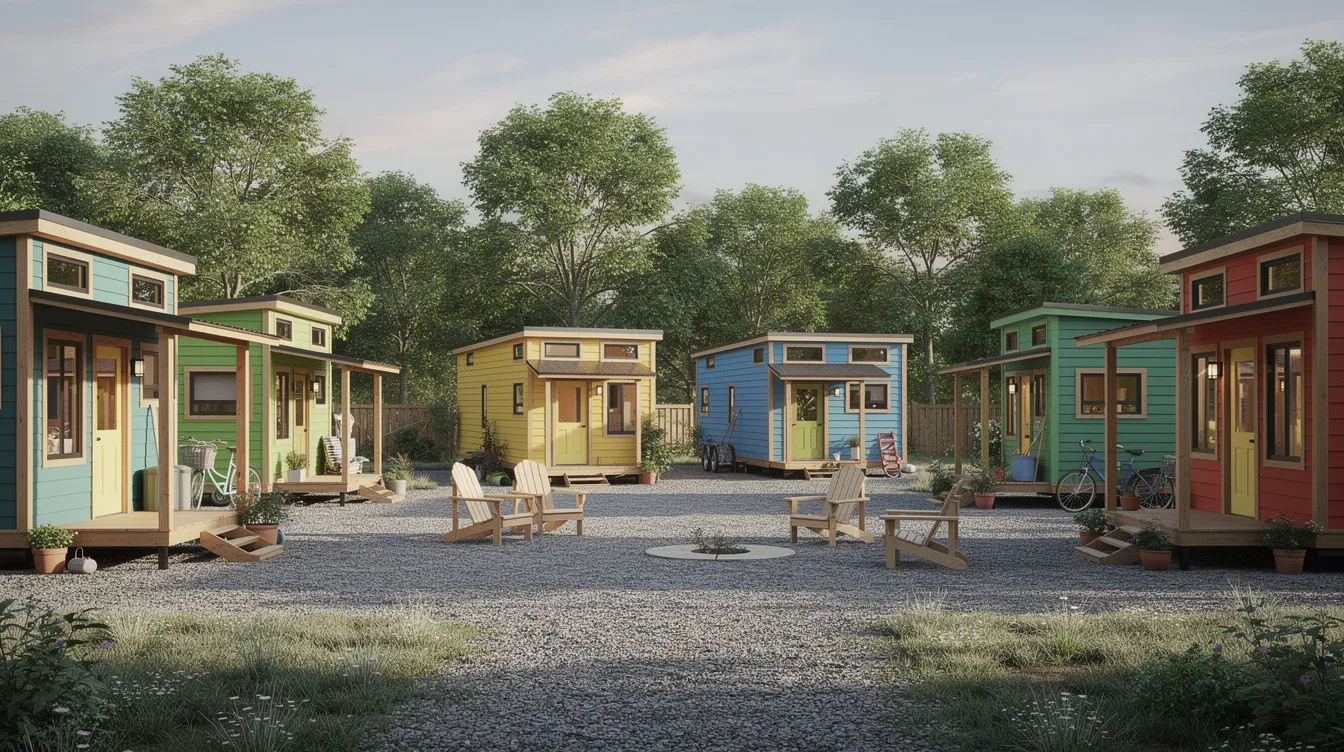
Path 1: "I want to live in a tiny home village or program." City-backed or nonprofit programs like Detroit's Cass Community Social Services tiny homes, Sacramento's tiny homes initiative, or LIHI villages in Seattle run an application process focused on eligibility, need, and support services. These programs often assist those experiencing homelessness.
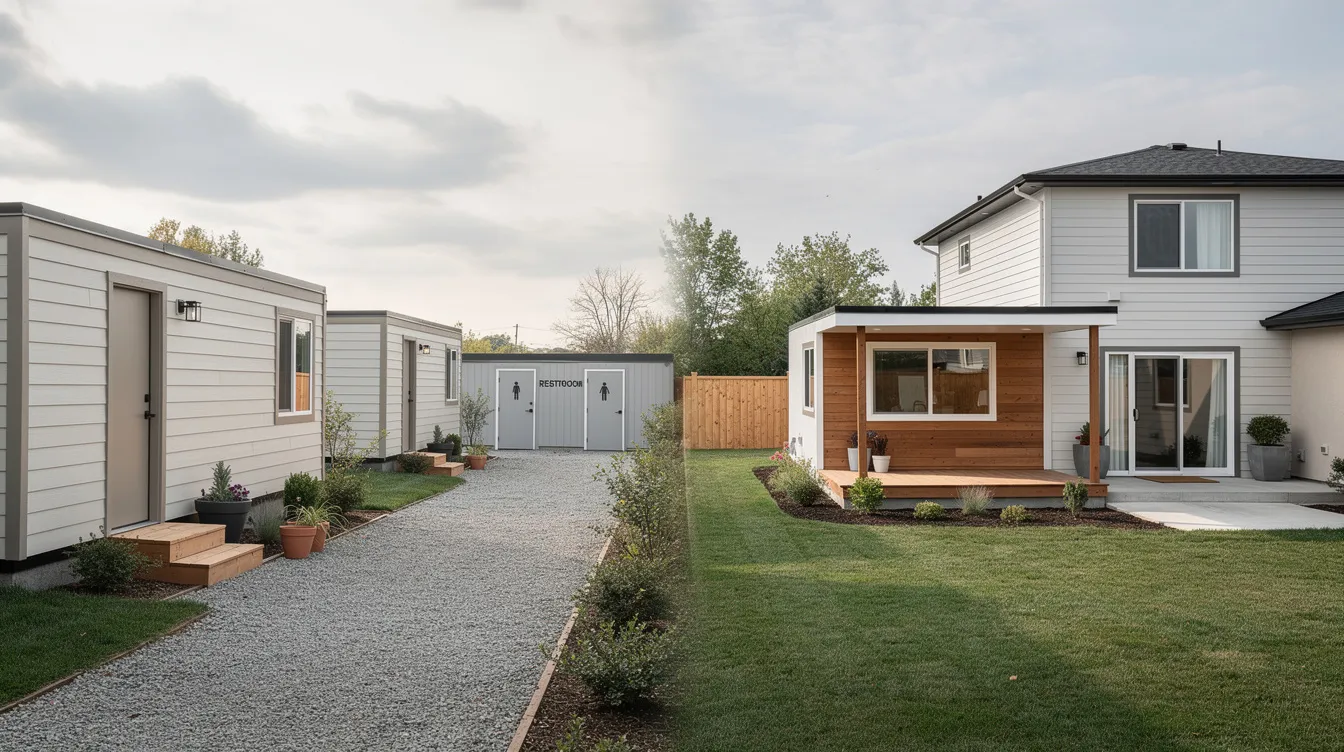
Path 2: "I want to put a tiny house or ADU on land I own or control." Cities like Detroit, Sacramento, and Los Angeles require zoning checks and building permits. Tiny house zoning regulations vary widely by city and county. Zoning laws dictate where tiny homes can be placed and if they can be lived in year-round. Building codes determine how tiny homes must be constructed, differing by location. Permits are required for both zoning and building compliance when establishing a tiny home. Many cities updated their online portals between 2020 and 2026 (Detroit uses Accela; LA uses its own ADU portal).
Tiny houses can function as accessory dwelling units on existing residential properties. Tiny homes on wheels are often classified as recreational vehicles by municipalities, which changes which approval path you follow. Choosing the wrong path wastes time. If you need shelter and services, Path 1 is your route. If you own property and want to build, Path 2 is yours.
Applying to a Tiny Home Program or Tiny Home Village
A tiny home program or tiny home village is a site where residents live in small units (often 120 to 300 square feet) and access on-site services like case management, job search help, counseling, and meals. Some programs last 18 to 24 months as transitional housing; others operate as permanent housing solutions. Sacramento's Tiny Home Village has 30 tiny homes of 120 sq. ft. Rosie's Village in Seattle, opened July 2025, has 37 units of 96 sq. ft. with heating, insulation, communal kitchen, laundry, and 24/7 staffing.
Tiny home communities foster close-knit community spirits among residents. Community living in these villages typically includes shared amenities like gardens, dog areas, and gathering spaces. Tiny homes offer affordable living options compared to traditional housing; in Sacramento, each unit costs about $85,000 including infrastructure, compared to roughly $500,000 for permanent supportive housing.
Eligibility criteria are concrete. Applicants must be experiencing homelessness to qualify for most programs. Sacramento residency is required for Sacramento's tiny home program, and income caps are part of the eligibility criteria there. Applicants must be US citizens or permanent residents for assistance. Eligibility includes military personnel and those facing hardships, including youth aging out of foster care. Detroit's tiny home program serves low-income residents with homes 250 to 400 sq. ft. Sacramento's tiny home initiative provides safe housing for the homeless.
Space is limited. Many villages have 30 to 50 units with waitlists. Tiny Home Village accepts applications through a referral-based system only; you cannot walk in and apply. Ask about average wait times and whether a case manager referral is required. Residents usually sign agreements about quiet hours, chores, community meetings, and pet rules.
Step-by-Step: Tiny Home Program Application Process
Sacramento's tiny home program requires applicants to follow specific steps. Detroit's tiny home program requires eligibility documentation and interviews. Here is how the process typically works across programs.
Step 1: First contact. Call the listed program number, speak with a homelessness outreach worker, or get referred by a community provider. Some programs accept only provider-initiated referrals; Nickelsville in Seattle requires weekly calls or meeting attendance to join the waitlist.
Step 2: Eligibility screening. Staff ask about your current housing status, income, household size, and city residency. They often verify homelessness using HMIS records or shelter documentation. Villagers must work with a case management team in the Tiny Home Village.
Step 3: Completing the application form. Common fields include personal information, income sources, benefits, history of homelessness or incarceration, accessibility needs, pet information, and consent to background checks. At Cass Community Social Services, the application includes credit and residential history, criminal convictions review, co-applicant data, and Social Security information.
Step 4: Document collection. Bring government ID, Social Security card, proof of income (pay stubs, benefit letters), proof of residency in the city (mail, school records), and any disability verification. Missing documents are the top cause of delays.
Step 5: Interview and case management match. Programs conduct an in-person or phone interview to understand goals around employment, education, or mental health. A case manager is assigned for ongoing housing navigation and support after move-in.
Step 6: Waitlist. Limited capacity means waiting. Keep your contact information updated, check in periodically, and stay connected to outreach workers. Operation Tiny Home reviews applications within 14 business days. Applicants must be pre-qualified for financing to apply for Operation Tiny Home, and the organization offers down payment assistance grants. Applicants must be pre-qualified for financing to qualify.
Step 7: Acceptance and move-in. Sign a participation agreement or short-term lease, tour communal areas, review rules about pets, guests, and quiet hours, and set initial goals with your case manager. Residents rent their units at rates tied to income, often at 0 to 30% of Area Median Income.

Applying to Build or Place a Tiny House or ADU on Your Property
Property-owner applications center on zoning and safety. The city wants to know what you are placing (tiny home on wheels, park model, modular home, site-built ADU), where on the lot, and how it connects to utility connections like water, sewer, and electrical service.
A backyard studio under roughly 120 sq. ft. with no plumbing often requires simpler permits. A dwelling unit with bedroom, kitchen, bathroom, and long-term residence triggers full residential building and trade permits. In Los Angeles, a movable tiny house used as an ADU must be 150 to 430 sq. ft., DMV-registered, built to ANSI 119.5 or NFPA 1192 standards, and connected to utilities.
Zoning is the first step. Confirm your lot's zoning designation (single-family, multi-family, mixed-use) and whether ADUs or tiny homes are allowed. California state law requires cities to approve or deny a completed ADU application within 60 days. Detroit's building permit applications require an Accela Portal account. Tiny houses can be utilized for disaster relief due to their quick deployment capabilities, and they often require less construction material compared to traditional homes.
A chassis-based tiny home on wheels, a park-model RV, and a 400 to 900 sq. ft. foundation-built ADU follow different approval paths. Many cities are updating accessory dwelling units ordinances and tiny home pilot programs through 2026. Always rely on current city documents, not older sources.
Documents and Plans You'll Need for a Tiny House or ADU Permit Application
Treat this as a checklist:
Architectural floor plans (to scale): rooms, doors, windows, elevations, structural details, energy calculations; stamped by a licensed architect or engineer when required by state law
Site plan: property boundaries, setbacks, parking, existing structures, proposed tiny home or ADU location, utility runs (electric, water, sewer), drainage, trees, and easements
Trade-specific documents: electrical layout, plumbing diagrams, mechanical systems (heating, air conditioning, ventilation); required once units include full bathrooms and kitchens
Digital submittal formatting: PDFs labeled per portal requirements (Accela, ProjectDox); incomplete or mislabeled uploads are a frequent cause of delays
Proof of ownership and contractor info: deed or tax bill copies, contractor license and city registration if using a builder, homeowner affidavits where owner-builders are allowed
Energy efficiency is a key benefit of tiny home living, requiring less power to heat or cool a small living space. Many tiny homes incorporate design features that allow for off-grid living. Browse tiny home floor plans to find models with specs that match your city's code requirements before commissioning custom drawings.
How TinyHomeMap Helps Before and During Your Application Process
TinyHomeMap does not accept housing or permit applications. It makes the first step easier: finding real tiny house, ADU, and tiny home village options worldwide.
Users can search the TinyHomeMap US directory for tiny homes for sale or rent, filtering by price, square footage, and location. Each listing includes photos and specs so you can choose a model that fits your city's rules before you spend on permits.
The platform lists tiny home communities and villages, including some that run their own tiny home program application processes. Builders and manufacturers publish models ranging from 180 sq. ft. homes on wheels to 900 sq. ft. ADUs, so property owners can compare designs that already consider code constraints. Land and community operators post tiny-home-friendly plots and off-grid sites, solving the "where can I put this?" question before you start a formal city application.
Common Tiny House Application Mistakes and How to Avoid Them
Most delays come from assumptions, missing documents, or mismatching the unit type to the approval path.
Program-side mistakes:
Submitting incomplete tiny home program applications
Not providing requested proof of homelessness or residency
Missing deadlines for paperwork
Not updating phone or email while on the waitlist
Permit-side mistakes:
Buying a tiny home before verifying zoning on your specific site
Ignoring minimum lot sizes and setbacks
Assuming a tiny home on wheels avoids all zoning rules
Failing to plan for utility connections (water, sewer or septic, electrical capacity)
If you are planning a multi-unit tiny home project or cluster of rental ADUs, treat it as a full site development from the start. Many cities, including Detroit and Sacramento, require site-plan review and sometimes public hearings for such projects.
Contact the relevant city department or program staff early with a one-page summary of your project or situation. This prevents months of back-and-forth. Living in a tiny house can lower one's carbon footprint and promotes a sustainable lifestyle by encouraging ownership of fewer possessions. Tiny homes can reduce ongoing expenses like utility bills and maintenance costs, making tiny home living a practical path for many others seeking affordable housing and housing resources.

FAQ: Tiny House Application Questions You Might Still Have
How long does a tiny home program or tiny home village application usually take?
Timelines vary based on city and program. Some emergency tiny house shelters approve applicants within days. Long-term tiny home villages or home-ownership programs (like Detroit's rent-to-own tiny homes through Cass Community Social Services) have waitlists lasting months. After seven years of operation, some programs report average waits of two to six months. Ask each program directly about current wait times, whether they maintain a priority list for families, medically vulnerable people, or veterans, and how often they update applicants on their status.
Do I need good credit to be accepted into a tiny home program?
Many nonprofit tiny home programs serving people experiencing homelessness do not require strong credit scores. They work with residents who have evictions, debt, or justice-system involvement, focusing on stability and willingness to participate in services. Programs that operate more like traditional rentals or rent-to-own housing (such as Cass Community in Detroit) run credit and background checks as part of the review. Check each program's 2024 to 2026 screening policy before applying.
Can I keep my pet if I move into a tiny home village?
Pet policies vary. Some villages allow dogs in limited spaces, requiring them to be housebroken, vaccinated, spayed or neutered, and pre-approved. Other sites ban pets from shared or indoor common areas. Disclose pets early in the application process and bring vet records. If a specific village has no pet capacity, staff can often point you to other pet-friendly options nearby, creating a welcoming environment for you and your neighbors.
What if my city doesn't have a tiny home program or clear ADU rules yet?
Search TinyHomeMap to locate nearby cities or counties with existing tiny home villages, communities, or ADU-friendly zoning. People across the country in the 2020s have chosen to move across county or state lines to pursue tiny home living legally. Follow your city council, planning commission, and housing department updates. Between 2024 and 2026, dozens of jurisdictions are piloting tiny home and accessory dwelling units ordinances in response to housing shortages, giving hope for future construction of more affordable options on available land.
Can I use a tiny house on wheels as a legal dwelling on my property?
A tiny home on wheels is often regulated as a recreational vehicle or movable structure. Some cities and counties now permit them as backyard dwellings or within tiny home villages, while others limit them to RV parks or temporary use only. In Los Angeles, a movable tiny house used as an ADU must meet ANSI/NFPA standards, be DMV-registered, connect to utilities, and fall between 150 and 430 sq. ft. The safe first step is to ask your planning or zoning department in writing whether a specific chassis-based unit can be used as a primary residence or ADU on your particular lot. Get any approval in official form before purchasing the unit, and keep that foundation of documentation for your records.
Related articles
More guides that dig deeper into the same topics.
- Legal & ZoningZoning Laws and Tiny Homes: What You Need to Know
- Legal & ZoningBuilding Codes for Tiny Homes: Legal Requirements
- Legal & ZoningTiny Home Permits and Building Codes: Legal Requirements
- Legal & ZoningWhat States Will Pay You to Build a Tiny House? (Grants, Rebates & Incentives in 2026)
- Legal & ZoningCan I Put a Tiny House on My Property?
Ready to start searching?
Browse tiny homes, plans, builders, communities and land on the interactive map.
Explore the map