Tiny Houses for Sale in Oregon: Your 2026 Buyer's Guide
14 min read · Updated October 14, 2026
By John
Find Tiny Houses for Sale in Oregon Fast
Oregon's tiny home market in 2026 spans everything from move-in ready custom tiny homes on wheels to bare shells waiting for a handy buyer's finishing touch, with listings ranging roughly $10,000 to $243,000 and an average size of about 395 square feet. Whether you're browsing for a Portland backyard ADU, an off-grid cabin on rural acreage near Bend, or a park model along the coast, this guide will help you understand what's actually for sale, what Oregon's regulations allow, and how to narrow down the right option for your life.
Oregon has become one of the more progressive states regarding alternative housing, and its market for tiny houses is a growing sector influenced by a culture centered on sustainability and driven by high urban housing costs. Below, you'll find a breakdown of the types of tiny houses for sale in Oregon, what features matter most in this state's climate and regulatory landscape, and answers to the questions buyers ask most often in 2026.
Types of Tiny Houses for Sale in Oregon
Oregon's tiny home market includes several distinct categories, each with its own rules, price range, and ideal buyer. Tiny homes can be classified as movable or foundation-based, and understanding the difference is the first step to a smart purchase. Here are the types you'll encounter most often.
Tiny Houses on Wheels (THOWs)
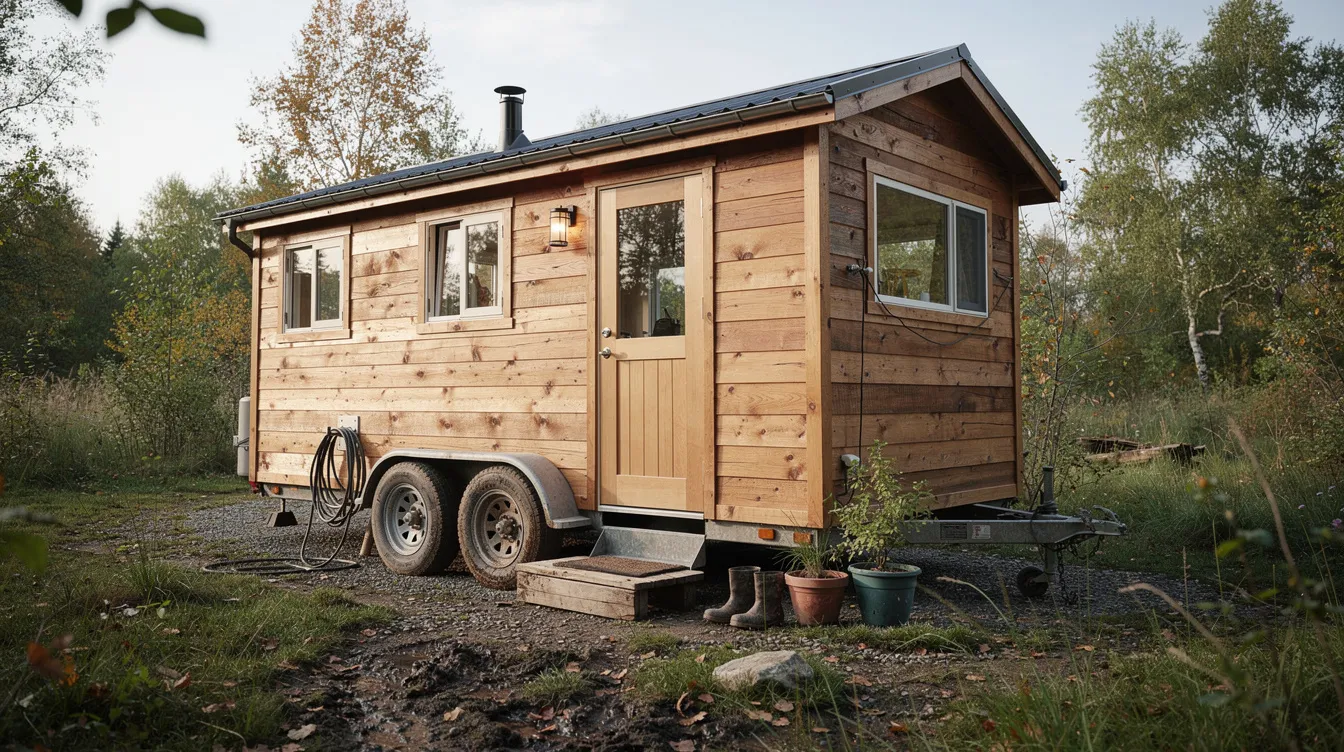
Tiny houses on wheels are trailer-mounted homes typically between 160 and 400 square feet, built for mobility and flexibility. Movable tiny homes are built on wheels for easy transport, and tiny houses on wheels are usually classified as temporary dwellings under Oregon law. They appear regularly in listings across the Portland metro, Salem, Eugene, Bend, Ashland, and along the I‑5 corridor.
Used THOWs in Oregon often start around $40,000–$60,000 depending on age, condition, and certification. Oregon builders like NW Tiny Homes offer new models starting at approximately $49,900, with mid-range builds running $70,000–$120,000.
New custom builds with upgraded finishes, quartz countertops, loft bedrooms, and generous natural light can push past $130,000.
THOWs are ideal for buyers wanting to travel between sites, test locations before buying land, or place a home as a backyard ADU in jurisdictions allowing it.
Foundation-Built Tiny Homes and Small Cottages
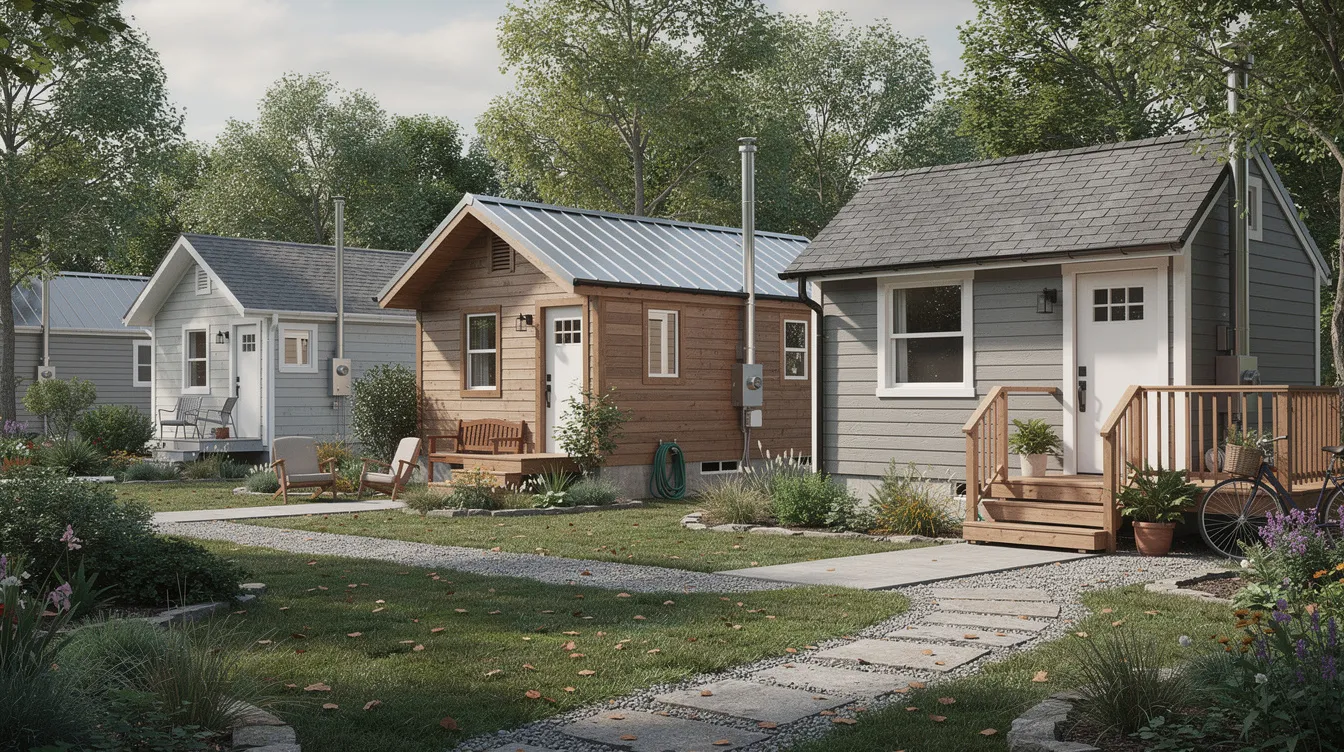
Foundation-built tiny homes are permanently installed structures under roughly 600 square feet, built to Oregon's residential building code. Foundation-based tiny homes are wider than movable tiny homes, giving designers more room for open-plan layouts and accessibility features. They often appear in listings as "small homes," "cottages," or ADUs in rural Oregon counties and some city infill lots.
Typical listing prices range from $150,000 to $350,000, depending heavily on land value, finishes, and proximity to Portland or Bend. Prefab or modular options from vendors show models from around $70,000 to $200,000+ before land costs.
Oregon law requires state-licensed builders for permanent tiny homes, and these builds must comply with the 2023 Oregon Residential Specialty Code (ORSC), which draws on the 2021 International Residential Code.
Best for buyers wanting long-term stability, easier financing through traditional mortgages, and straightforward compliance with local building codes.
Park Model Tiny Homes in Resorts and Communities
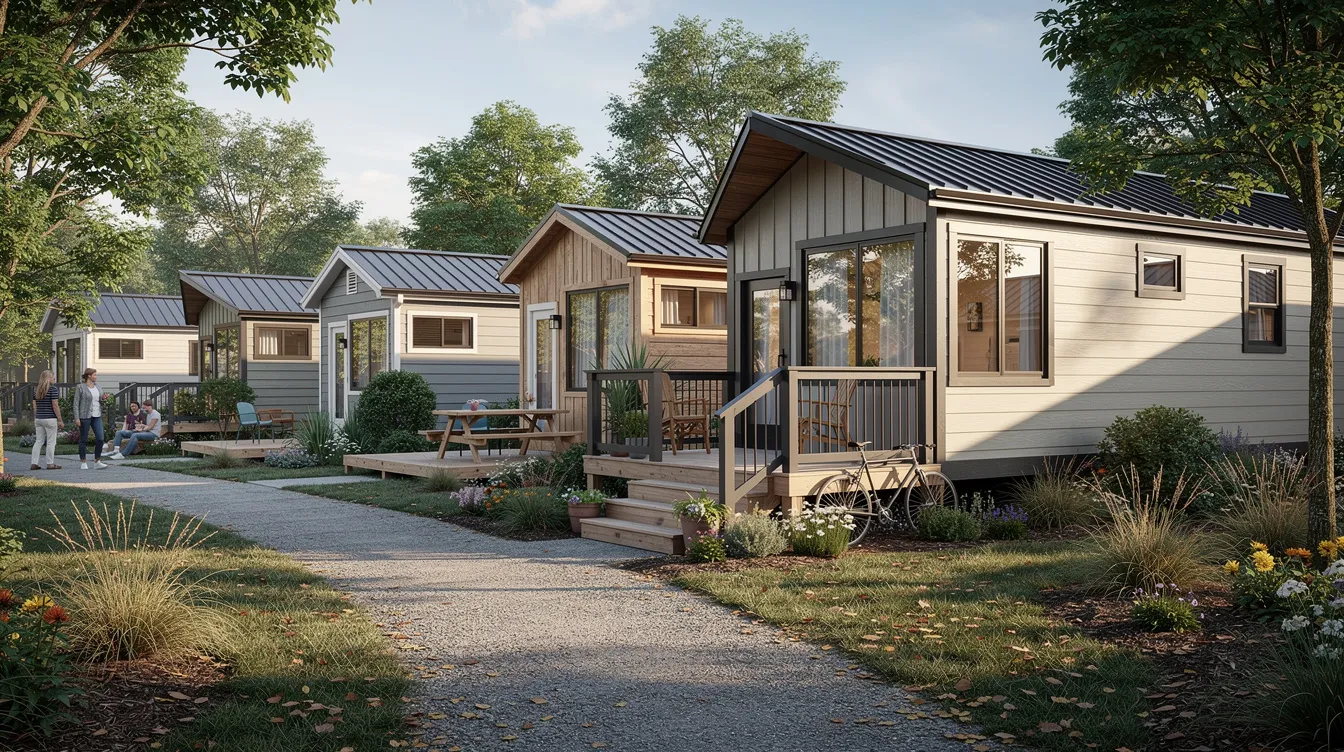
Park models are RV-code units typically up to 399 square feet, built to ANSI standards and placed in resort-style communities or long-term RV parks around Oregon. Park models are wider than standard movable tiny homes, often feeling more spacious than a comparable THOW.
Real settings include coastal RV resorts, 55+ communities in southern Oregon, and tiny home communities in the Willamette Valley. The Oregon coast offers dedicated tiny home communities with shared amenities like laundry, trails, and clubhouses.
Buyers typically purchase the unit and lease the pad. Monthly pad rents range from roughly $350–$600 in the Willamette Valley to $650–$850 at destinations like Mt Hood Tiny House Village. The Emerald Village Tiny Home Co-op in Eugene operates a cooperative model with pad fees of just $200–$300/month.
This option suits people who love community amenities and a beautiful setting without the commitment of buying land.
Tiny Homes with Land Included
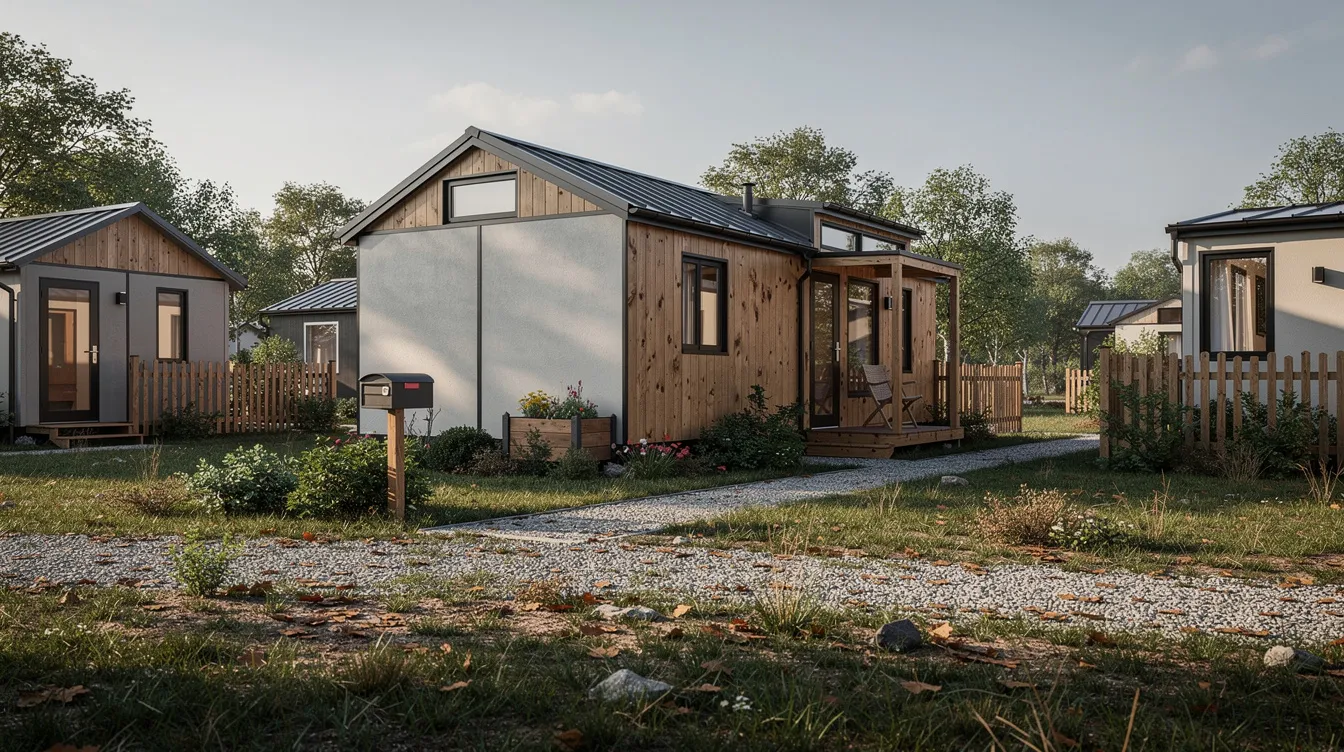
Some Oregon listings bundle a tiny home with a small lot or rural acreage, giving buyers a ready-to-occupy property.
Common scenarios include 1–5 acre rural parcels with off-grid cabins in Klamath, Lake, and Josephine counties, as well as small in-town lots in older neighborhoods.
These listings tend to be higher ticket-typically $250,000 to $500,000+-because Oregon land adds significant value, especially near Portland, Bend, and the coast.
Homeowners who buy tiny homes with land gain more control over long-term use and can potentially add more structures or an accessory dwelling if zoning allows. Under ORS 215, rural counties allow an ADU on parcels of 2 acres or more in rural residential zones, with the accessory dwelling located within 100 feet of the primary home.
DIY Shells, Kits, and Converted Vehicles
Shells are partly finished tiny homes-framed, weatherproofed, and sometimes rough-plumbed-sold at a lower price point for buyers comfortable completing the interior. Tiny home kits include plans and materials for DIYers who want full control over layout and finishes.
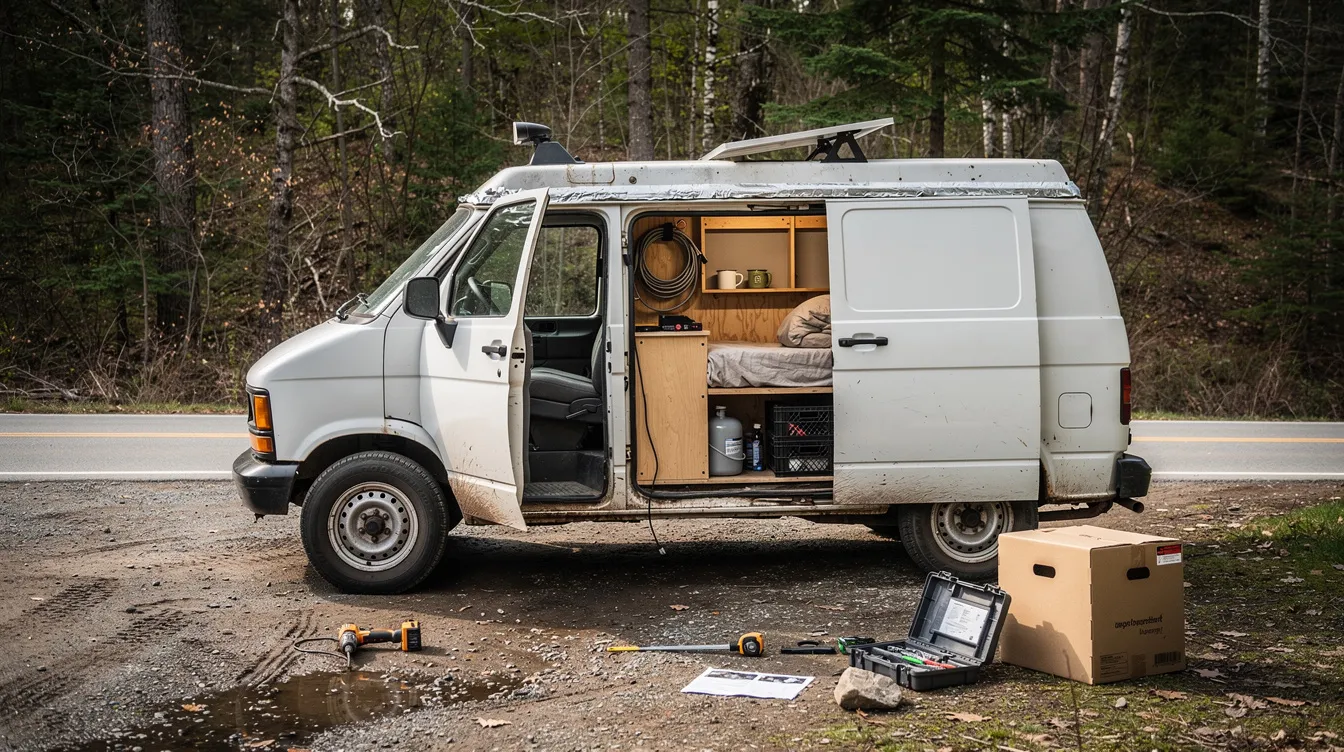
Van, bus, and schoolie conversions also appear in Portland, Eugene, and Bend markets for buyers who relax into the creative challenge of a conversion project.
Rough price bands run $15,000–$60,000 for shells and conversions, with lower upfront cost but substantially more time and sweat equity required.
Build cost savings are real, but risks are higher for code compliance, insulation quality, and moisture management. These suit handy buyers or a couple willing to invest weekends into building out their custom tiny space.
What to Look For in Oregon Tiny Houses
Oregon's regulations, weather, and terrain make some features more critical here than in other states. Tiny house buyers must check local zoning maps before purchasing, and understanding the things below can save thousands of dollars and months of frustration.
Legal Status, Certifications, and Zoning Fit
How a tiny home is classified-RV, park model (ANSI 119.5), or residential code (IRC/ORSC)-determines where it can legally be placed in Oregon. Local regulations for tiny homes differ depending on mobility status, and finding a legal place to build a tiny home is often a big hurdle.
Confirm whether a THOW has RVIA certification. For foundation homes, verify that the build passed local building inspections under the ORSC.
Oregon allows Accessory Dwelling Units (ADUs) in residential zones. Portland's zoning code, for example, permits detached ADUs up to 75% of the main house area or 800 square feet, whichever is smaller-but only one THOW or RV per residential lot with a primary dwelling.
Under ORS 197A.431, manufactured and prefabricated structures must be allowed in residential zones within urban growth boundaries, and local governments cannot impose standards more burdensome than those for conventional dwellings.
Oregon has progressive rules for placing small homes or ADUs on residential lots, but Oregon's zoning laws can heavily restrict where tiny homes can be placed in specific jurisdictions. Always verify with the local planning department before committing.
Build Quality and Insulation for Oregon's Climate
Oregon's wet, mixed climate-coast rain, valley fog, mountain snow-demands four-season insulation and serious moisture control. Local builders in Oregon prioritize high-grade moisture management and robust insulation for good reason.
Check wall and roof insulation R-values against Oregon code minimums for your climate zone. The ORSC Chapter 11 prescribes specific levels for exterior wood-framed walls, roofs, and slabs.
Look for double- or triple-pane windows with low-e coatings to maximize natural light while minimizing heat loss.
Metal or high-quality shingle roofing rated for heavy rain and snow load is essential. Rain screens and vapor barriers are non-negotiable for the coast and Willamette Valley.
On used tiny homes, inspect for water stains, soft flooring, or mold-Oregon's humidity can hide damage that's expensive to fix. The ORSC also includes wildfire mitigation standards (R327) for homes in high-risk areas of Central and Southern Oregon, requiring flame-resistant materials and defensible space.
Utilities: Power, Water, Sewer, and Off-Grid Readiness
The difference between a fully plumbed, grid-tied tiny home and one set up for off-grid living in rural Oregon is substantial-in both cost and daily life.
Verify electrical capacity (30A vs. 50A), plumbing code compliance, and whether the home connects to sewer or uses a septic system. Utility hookups for remote land can add tens of thousands to total cost for well drilling, septic installation, and road access.
Many tiny homes in Oregon emphasize eco-friendly materials and off-grid capabilities. Look for rooftop solar panels, battery banks, propane heating systems, and composting toilets if you're headed to a rural site.
Some tiny home communities allow for off-grid living solutions, while others require full utility connections. Confirm compatibility before purchase.
Wood or pellet stoves are popular heating options for Oregon winters but require proper venting, spark arrestors, and compliance with local fire codes.
Layout, Sleeping Space, and Storage
Matching a tiny home's layout to your actual daily routine is critical-especially for full-time living. A beautiful floor plan that doesn't work for your life will feel cramped within weeks.
For full-time occupancy, prioritize designs with a main-floor bedroom for accessibility or a loft bedroom with proper stairs rather than a ladder. Buyers planning to work from home should look for dedicated office nooks or flexible space that can accommodate a desk.
Storage features that sets Oregon-focused builds apart include under-stair drawers, built-in wardrobes, and dedicated gear storage for skis, boards, and bikes-essentials for homeowners located near Bend and mountain recreation areas.
Before buying, picture your daily routines-cooking, hobbies, home office work-inside the specific square footage listed. A 200 square foot home works for a solo buyer; a couple may want 300+ square feet with clear zones.
Location, Access, and Risk Factors
Where a tiny home is located in Oregon matters enormously-for transport costs, climate exposure, and natural hazards.
Many tiny home communities are located in scenic areas like the Pacific Northwest, but beauty comes with risk. Check whether the property falls in a wildfire risk zone (especially Central and Southern Oregon), a floodplain near rivers, or a coastal corrosion zone that can degrade metal components.
Estimate relocation costs if the home must be moved. Towing a THOW over mountain passes or during winter weather increases both risk and expense. Transport typically requires permits for wider loads.
Consider proximity to cities and services: a remote Josephine County parcel may be affordable but far from hospitals, groceries, and internet infrastructure. Coastal properties offer beautiful surroundings but present salt-air challenges for building materials.
How to Choose the Right Tiny House in Oregon
The right Oregon tiny home depends on how you plan to live, what you can spend, and where you'll put it. Consultation with experts can help guide the buying process, but these criteria will get you most of the way:
Your intended use (full-time, part-time, rental) - Year-round living near Portland or Ben(d) demands robust insulation, reliable heating, and ample storage. A seasonal retreat on the coast or a short-term rental in wine country can get by with lighter specs. Tiny home communities promote sustainable living with smaller carbon footprints, which appeals to full-time residents and vacation renters alike.
Where you can legally place it - Zoning and park or community rules in your target Oregon city or county can immediately rule in or out certain types. Portland's ADU rules differ sharply from rural county RV allowances. Permanent tiny houses must comply with state building codes, while THOWs follow different regulatory paths. Tiny houses in Oregon come in two main types, and each faces distinct placement rules.
Budget and total cost of ownership - Look beyond sticker price. Factor in land or pad rent, utility hookups, insurance, transport, and permit or inspection fees. Financing options include RV loans and HELOCs for certified units, while traditional mortgages may apply to foundation-built homes on owned land. Tiny home communities can provide affordable housing options for individuals who want to avoid large land purchases.
DIY comfort vs. turn-key preference - A finished, inspected tiny home in Oregon is ready for move-in with minimal hassle. A shell or converted bus may cost far less up front but demands substantial work, tools, and time. The typical build time for a tiny home is 12 weeks if ordering new from builders, with delivery and installation of the home taking about an additional week.
Future flexibility - Buyers unsure where they'll settle might lean toward THOWs or park models in communities, allowing easy relocation. Long-term Oregonians with a preferred town may favor foundation builds or tiny homes sold with land. Custom tiny homes are built to customer design specifications, so buyers ordering new can plan for the future from day one.
Frequently Asked Questions About Tiny Houses for Sale in Oregon
These are the questions Oregon buyers ask most before committing-answered with 2026 regulations and market realities in mind.
Are tiny houses legal to live in full time in Oregon?
Full-time legality depends on classification (RV vs. residential), zoning, and local ordinances, which vary between cities like Portland, Eugene, Bend, and rural counties. Many Oregon jurisdictions allow tiny homes as ADUs or small dwellings on foundations, while THOWs are often limited to RV parks, tiny home communities, or certain rural properties. Treat any listing's "legal to live in" claims as a starting point, not a guarantee-check directly with the planning department where you plan to live.
How much do tiny houses typically cost in Oregon in 2026?
Current Oregon tiny home listings span approximately $10,000 to $243,000, with an average around $104,000. Used THOWs start in the $30,000–$50,000 range, new custom tiny homes on wheels mostly fall between $70,000 and $130,000, and tiny homes with land or foundation builds often exceed $200,000 depending on location. Coastal, Portland metro, and Bend-area properties tend to command higher prices than more rural or eastern parts of the state.
Can I finance a tiny house in Oregon, or do I have to pay cash?
Financing options include RV loans and HELOCs for certified THOWs, personal loans from banks or credit unions, and traditional mortgages for code-compliant homes on owned land. Financing is generally easier for foundation-built, permitted homes than for off-grid cabins or DIY conversions. Talk to Oregon lenders familiar with tiny homes-several credit unions in the state have developed programs specifically for alternative housing.
Where can I park or place a tiny house on wheels in Oregon?
Typical options include RV parks that allow long-term stays, tiny home communities with dedicated pads, backyard placements as ADUs where allowed, and rural properties with flexible zoning. Each park or community has its own rules on unit size, age, pets, and long-term residency, so buyers must confirm compatibility before purchase. Oregon features innovative builders and forward-thinking municipal zoning laws, but restrictions still vary dramatically by jurisdiction.
What are the pros and cons of buying a used tiny house in Oregon?
Advantages include lower cost, faster move-in, and existing hookups or site improvements if sold with a pad or land. Risks include hidden water damage from Oregon's damp climate, DIY work not built to code, and unclear permitting history. Always request build documentation, RVIA or code compliance records, and a professional inspection-including moisture checks-before committing.
How do I find tiny home builders in Oregon?
Oregon is home to well-regarded tiny home builders like NW Tiny Homes in the Portland area and Tru Form Tiny in Eugene, whose models range from roughly $49,900 to over $200,000 depending on size and finishes. Clever Tiny Homes, which operates an 85,000 square foot factory and employs 130 people, is another example of the scale some builders have reached. Tracking progress is available through a dedicated customer portal with many builders, and the team at most Oregon-based companies will be pleased to walk clients through model line options, custom design specifications, and delivery timelines.
Start Exploring Tiny Houses for Sale in Oregon
Oregon offers one of the most diverse tiny living landscapes in the country-from coastal park models with shared amenities and Portland ADUs to off-grid cabins in Central and Southern Oregon where you can truly relax into a simpler way of life. Clarify your budget, preferred region, and placement options, then explore real 2026 Oregon listings filtered by price, size, and features to build a shortlist that matches your priorities. As Oregon's tiny home market continues to evolve with new communities, builders, and regulations, it's worth revisiting regularly to catch fresh opportunities.
Related articles
More guides that dig deeper into the same topics.
Ready to start searching?
Browse tiny homes, plans, builders, communities and land on the interactive map.
Explore the map