Where To Put a Tiny House in Chicago: Legal Options, Neighborhoods, and Real Examples
11 min read · Updated October 16, 2026
By John
Introduction: Your Quick Guide to Placing a Tiny House in Chicago
Chicago is one of the most promising yet complicated cities in the country for tiny house living. Between dense neighborhoods, harsh winters, and layered zoning regulations, figuring out where to place a tiny home here takes real homework. Illinois lacks a uniform statewide policy for tiny houses, which means rules shift dramatically from one town or county to the next.
So where can you realistically put a tiny house in Chicago in 2026? You have four main options: adding an ADU or coach house in approved zones behind an existing home, building a small primary dwelling on a properly zoned vacant lot, parking a tiny house on wheels at an RV-style park outside city limits, or settling on rural land in the broader metro region. Chicago's 2020 ordinance legalized ADUs in select neighborhoods, creating what is currently the most practical legal route for a tiny home within city limits. It is not a "tiny house law," but it is the closest thing Chicago has right now.
This article covers specific Chicago neighborhoods, nearby suburbs, and counties where tiny homes can work. It is informational, not legal advice. TinyHomeMap is an independent directory that helps readers find tiny-home-ready land, ADU-friendly lots, and tiny house communities around Chicago and beyond.
Understand Chicago's Tiny House Rules Before You Pick a Spot
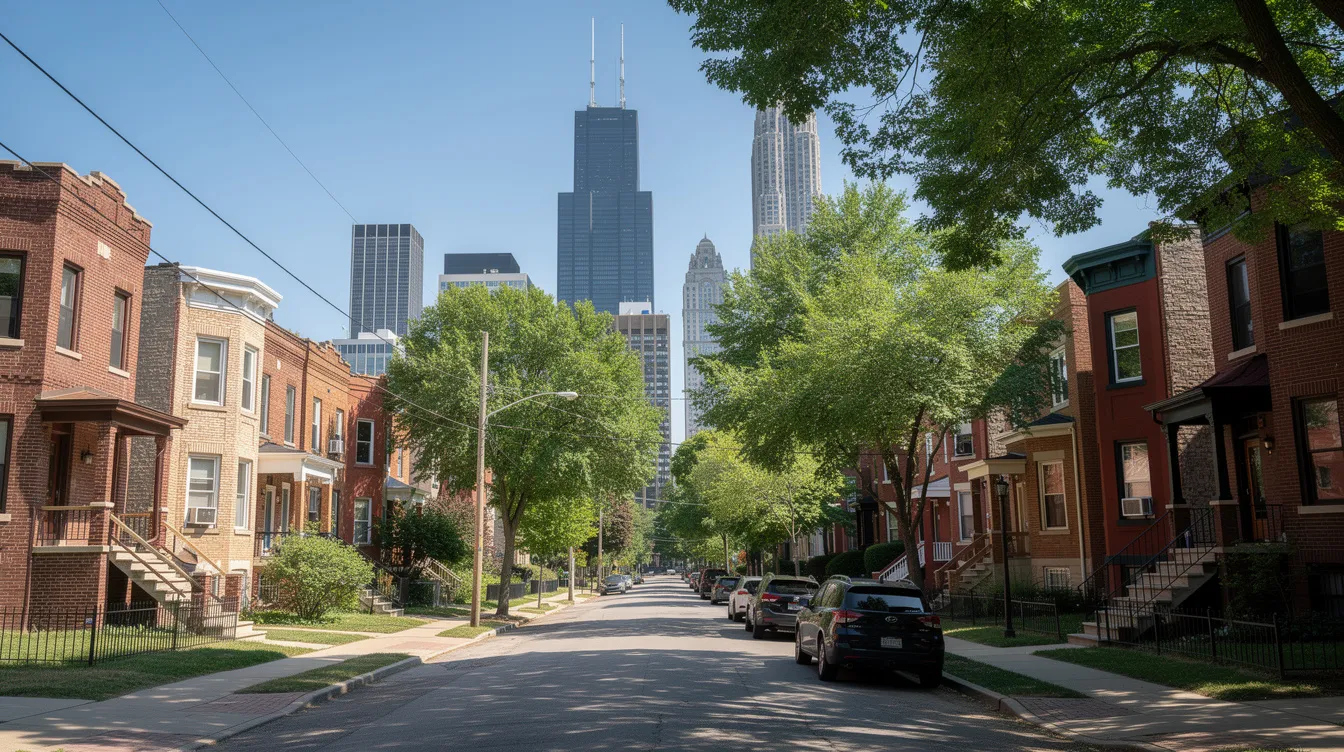
Chicago follows the International Residential Code (IRC) with local amendments, and tiny houses must meet the International Residential Code standards to be considered legal dwellings. The minimum dwelling size in Chicago is around 500 square feet for a typical unit, which immediately pushes "tiny" into a specific range. The city is gradually opening to smaller units through its ADU program, but there is no dedicated "tiny house" ordinance yet.
Here is what you need to know at a glance:
Tiny houses on permanent foundations may be allowed where zoning permits small single-family homes or accessory dwelling units, provided they meet building code for insulation, electrical, plumbing, and ceiling height.
Tiny houses on wheels are often classified as RVs in Illinois, making them ineligible as full-time residences on most residential lots.
Coach houses and ADUs became legal again in specific pilot areas starting May 1, 2021 under the Additional Dwelling Unit ordinance.
ADU applicants must comply with municipal guidelines for size and building codes.
Lot requirements include setbacks and utility access for tiny homes in Chicago.
The key distinction is between a tiny home as a primary dwelling on its own lot, a tiny home as a backyard ADU or coach house, and a tiny house on wheels parked like an RV. Each classification triggers different zoning, permits, and construction requirements. Local zoning laws vary widely across Illinois counties, so what works in one area may be completely off the table in another.
Using Chicago's ADU & Coach House Ordinance for a Backyard Tiny Home
For most Chicago homeowners, adding a tiny house-style unit as an ADU or coach house is the most straightforward legal path in 2026. Chicago's 2020 ordinance permits ADUs in pilot neighborhoods, and as of the expanded rules taking effect in early 2026, roughly 320,000 parcels across 34 of 50 wards are now eligible.
Neighborhoods where coach houses may be allowed include Lakeview, Logan Square, Avondale, West Town, East Garfield Park, Hyde Park, and Woodlawn, among others. Properties in multifamily and mixed-use districts generally allow the addition of tiny homes or ADUs as well.
High-level requirements include:
Permanent tiny homes in Chicago must be built on a permanent foundation. A structure on wheels will not qualify as a coach house.
Detached coach houses must meet height and size caps dictated by the city's regulations, with a maximum of 22 feet in height and at least 15 feet of separation from the main house.
Owner-occupancy or affordability rules may apply depending on the zone, and timely placement of tiny homes must follow the city's Additional Dwelling Unit ordinance.
Off-street parking rules have been relaxed in some ADU districts but still matter on narrow lots.
Backyard homes on existing residential properties can be legalized under the ADU ordinance.
A typical backyard tiny home or coach house fits behind a two-flat or three-flat in Chicago with alley access, a small courtyard, and sometimes a second-story or above-garage layout. Many end up in the 400 to 900 square foot range once you account for minimum habitable space, insulation for Chicago winters, and utility layouts. Permit costs range from $500 to $3,000, with an additional open space impact fee for units under 800 square feet.

Placing a Tiny House on Its Own Lot Inside Chicago
Building a tiny house as the primary dwelling on a vacant lot in Chicago is possible but difficult. Chicago does not allow standalone tiny houses as primary residences on vacant lots without meeting strict zoning and building code requirements. Minimum lot sizes in RS-3 zones start at 2,500 square feet, and floor plan constraints push most legal builds to at least 500 to 700 square feet.
Realistic scenarios include:
Building a compact cottage on a standard 25-by-125-foot lot in neighborhoods with more vacant land like Englewood, Bronzeville, North Lawndale, or Back of the Yards, where infill development on side lots or city land banks sometimes encourages affordable compact housing.
Meeting Chicago Building Code requirements for minimum room sizes, ceiling heights, insulation, and proper foundations below the frost line.
The city often prefers multi-unit density on transit corridors, so an ultra-small single cottage may face design or zoning pushback on some streets. Tiny houses must meet local zoning laws in Illinois, and confirming compliance before purchasing property is essential.
Why Tiny Houses on Wheels Are Tricky Within City Limits
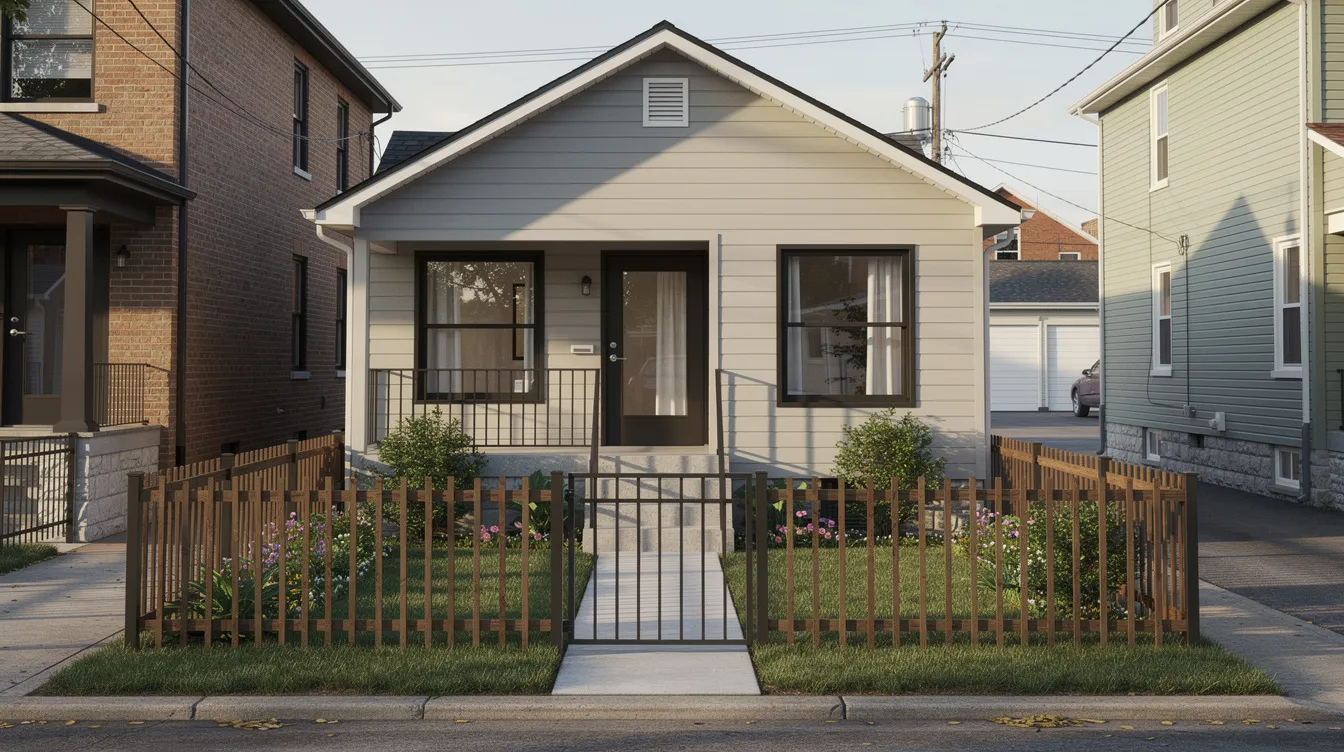
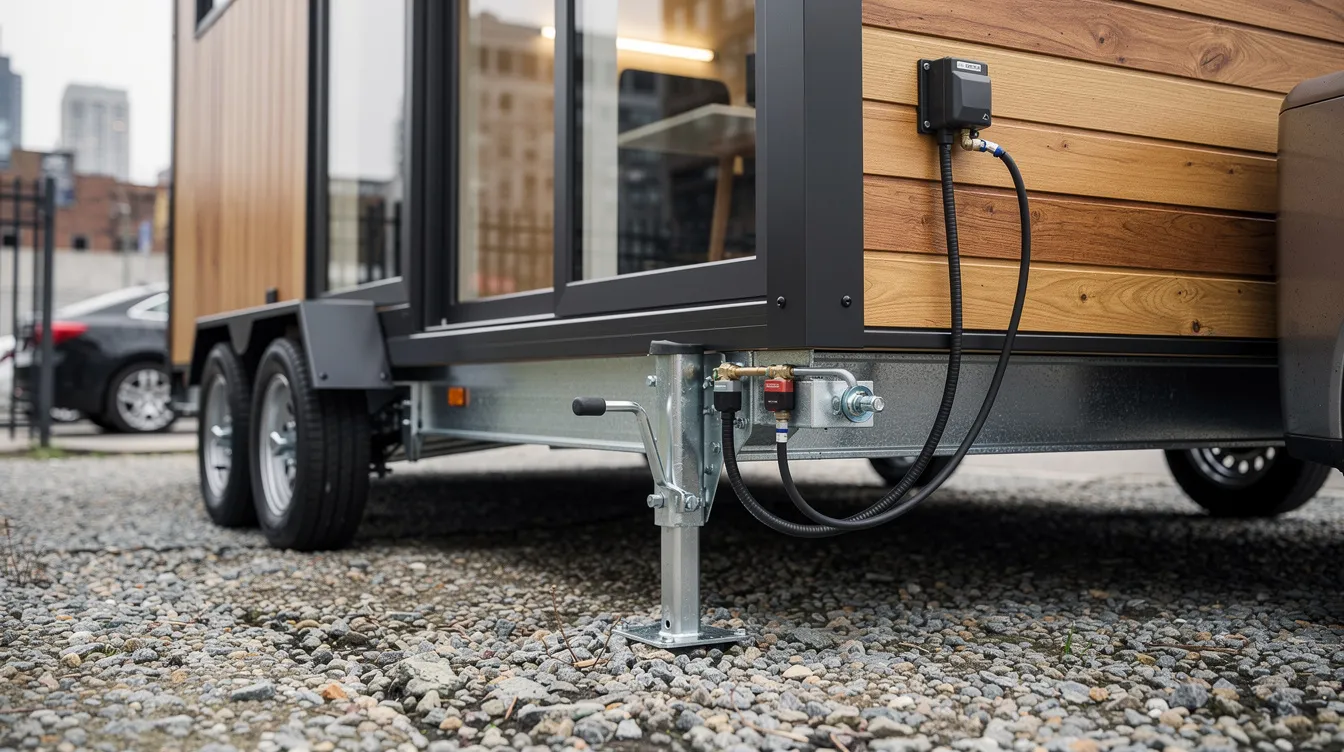
Tiny houses on wheels are the iconic picture of the tiny home movement, but they remain the hardest to place legally in Chicago. THOWs are typically treated like RVs, which means street parking is time-limited and not designed for full-time habitation. Many residential zones prohibit living full-time in an RV or trailer on a driveway or backyard. Utility hookups for water, sewer, and electrical are the main barrier to legal permanent residency.
Realistic options for THOW owners include:
Short-term parking while building a foundation home on the same property.
Storage or use as a cozy office or studio where local zoning allows, without officially classifying it as a dwelling.
Seasonal use at campgrounds or RV parks north and west of Chicago.
Advocates have proposed THOW-style villages for people experiencing homelessness, but these require special approvals and differ from a private homeowner's backyard setup. If you already own a tiny house on wheels, consider nearby counties and RV-style parks, or use TinyHomeMap to filter for THOW-friendly land in Illinois and neighboring states.
Tiny Home Communities and Mission-Driven Villages in Chicago
Purpose-built tiny home communities and tiny villages are emerging nationally as affordable housing options, and Chicago has been part of this conversation for nearly a decade. An estimated 80,000 homeless individuals are in Chicago, and tiny house communities provide integrated supportive services as one response to that crisis.
Chicago Tiny House aims to create tiny house communities focused on people experiencing homelessness, often exploring vacant city-owned lots as potential sites. Springfield's Tiny House Village promotes affordable housing solutions as well, showing that interest extends beyond the city itself.
These communities are typically run by nonprofits or partnerships with the City of Chicago, and placements are reserved for program participants rather than market-rate buyers. Still, they matter for every tiny house enthusiast because they establish precedents and prove that tiny homes can function in Chicago's climate and regulatory setting.
If you share this vision, consider volunteering or partnering with organizations creating tiny home villages. Advocating for zoning changes that allow both mission-driven tiny villages and mixed-income tiny house communities can move the whole movement forward.
Suburbs and Near-Metro Areas Around Chicago That Are Friendlier to Tiny Homes
Many people who want to live close to Chicago choose locations in the broader metro area where zoning is looser and land is cheaper. Progressive municipalities like Evanston and Oak Park are already known for ADU openness, making a small foundation-built tiny home or ADU easier to permit than in stricter suburbs.
Other options include:
Cook County suburbs experimenting with ADU ordinances similar to Chicago's, where homeowners can add a backyard unit for generating rental income or multigenerational living.
Exurban towns in Will, Kane, McHenry, and Lake counties, where agricultural or estate zoning can allow a small primary dwelling or accessory tiny home with well and septic. Will County caps ADU size at roughly 480 square feet.
Rural areas in Illinois often have lighter regulatory scrutiny, and 19 counties have no county-wide zoning or building permit requirements in unincorporated areas.
Near-metro locations still offer Metra or South Shore Line access for commuting into downtown Chicago, plus larger lots where a 300 to 600 square foot tiny home does not feel crowded. The ideal balance between independence and city access depends on your commute tolerance, budget, and how much space you want around your home.
Rural Retreats, RV Parks, and Seasonal Options Within Driving Distance
If full-time tiny house living inside city limits feels too complex, plenty of people keep a tiny home as a weekend retreat or seasonal residence within a one-to-three-hour drive of Chicago. This approach lets you start small, test your expectations for tiny living, and build skills before committing to a permanent place.
Placement options include RV parks and seasonal campgrounds in northern Illinois that welcome tiny houses on wheels with full hookups, private rural land leases where landowners allow a THOW or park model, and tiny home-friendly lakeside or wooded communities near places like Starved Rock or the Chain O'Lakes. Zoning is generally more flexible in unincorporated parts of counties like McHenry, LaSalle, and Kankakee.
Prefabricated units cost between $60,000 and $100,000, while bespoke tiny homes range from $80,000 to $150,000. Either way, tiny houses cost 50 to 70 percent less than Illinois' median home price, which gives you significant financial peace of mind. Utility tie-ins typically cost between $1,000 and $5,000, and site work expenses range from $5,000 to $15,000, depending on how remote the property is.

How to Use TinyHomeMap to Find Land, Rentals, and Builders Around Chicago
Many people know they want a tiny house in or near Chicago but are not sure whether to buy land, join a community, or enhance an existing property with a backyard unit. TinyHomeMap simplifies this process by putting all options on a single searchable world map.
Homeowners in Chicago can use filters to search for tiny home builders experienced with Illinois code and for tiny house plans sized to meet Chicago's 500-plus square foot minimums and ADU standards.
Buyers without land can filter the map to the Chicago region and search for land, tiny home communities, or off-grid property within a chosen budget across Illinois, Wisconsin, and Indiana.
Renters exploring tiny living can search for tiny homes for rent in Chicago and nearby towns to schedule a month or season of living tiny before making a purchase.
Listings on TinyHomeMap are submitted by owners, builders, and community operators and are reviewed before publication, so the quality and coverage of resources stays high. Look for listings that explicitly mention ADU-friendly, tiny house zoning, or THOW-allowed in the description to save time during your review.
Planning Checklist: Picking the Right Chicago Tiny House Location for You
Before you finalize a location, run through this Chicago-specific checklist to determine what fits your situation:
Confirm your tiny house type first. Whether it is a foundation-built tiny home, an ADU or coach house, or a tiny house on wheels will determine almost everything about where it can go, what permits you need, and which professionals to collaborate with on design, framing, construction, and materials.
Decide proximity to downtown. Do you need to live within city limits, in an inner-ring suburb like Evanston, or at a rural weekend place? Line that up with transit options like CTA, Metra, or driving access.
Check zoning and building rules. Use the City of Chicago Zoning Map or a suburban or county planning department website before buying land or paying a builder. Rental income potential and property value also depend on getting this right.
Plan for winter. Prioritize locations that allow proper insulation, skirted foundations or insulated trailers, reliable power, and snow access for emergency services. Chicago winters are no place for worries about a safe, efficient heating system or frozen pipes.
Budget realistically. Factor in land, permits, site work, and utilities. City backyards may be costlier to hook up than rural land with an existing well and septic. Use your budget as a guide and grow your project from there.
Chicago is not the easiest city in the world for tiny homes yet, but combining ADU options, near-metro suburbs, and rural retreats gives tiny house fans several viable ways to anchor a tiny home close to the city. The business of tiny living here is still young, but the support and feedback from each new coach house, each community project, and each suburban build is helping the movement grow.
Start exploring the Chicago region on TinyHomeMap to see real, photo-rich examples of tiny homes, land listings, and builders that match the options described above. Your ideal tiny home in Chicago is closer than you think.
Related articles
More guides that dig deeper into the same topics.
Ready to start searching?
Browse tiny homes, plans, builders, communities and land on the interactive map.
Explore the map