Lifestyle & Downsizing

Downsizing to a Tiny Home: A Complete Guide

12 min read · Updated February 21, 2026

By John

Downsizing is the hardest part of moving to a tiny home — and the most rewarding once it is done. Here is a complete, practical guide to deciding what stays, what goes, and how to actually let go.

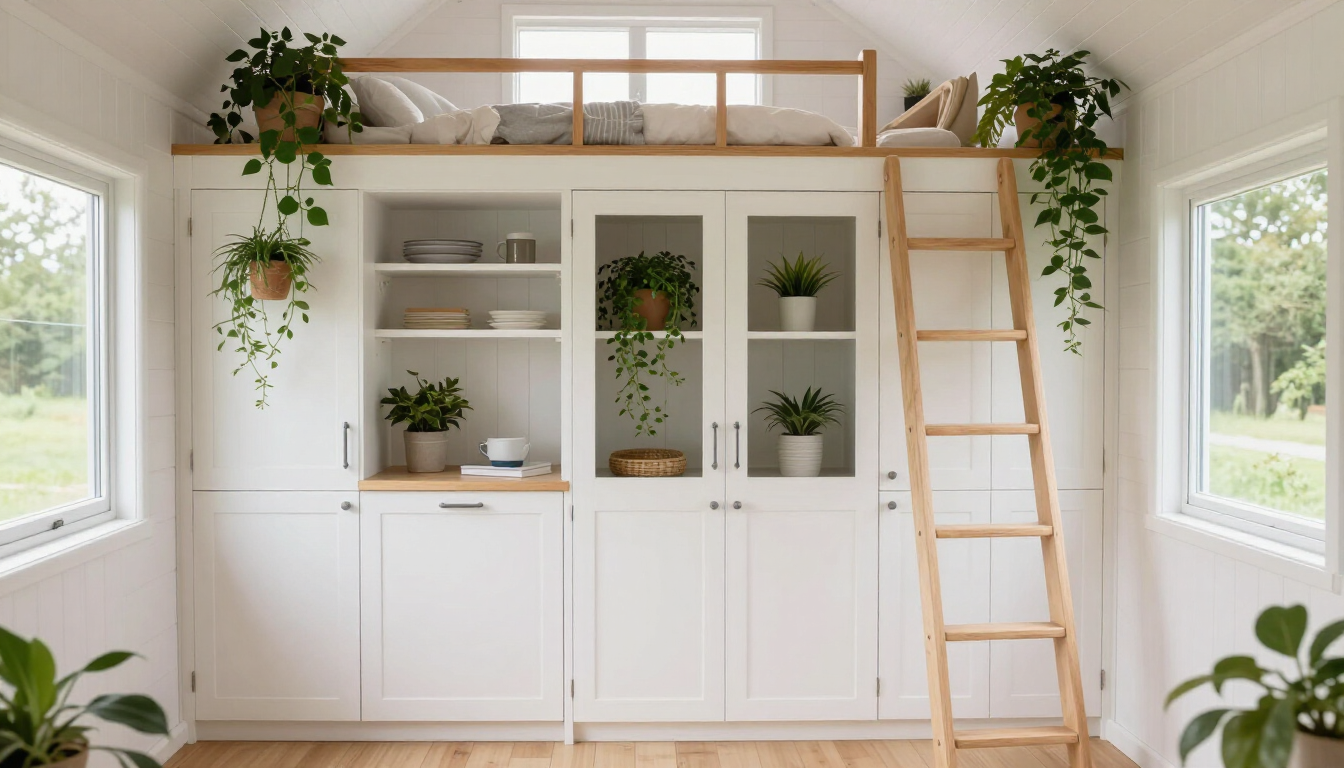
Cozy uncluttered tiny home living area with a sofa, rug and bookshelf

Downsizing is the real transition

Building or buying a tiny home is the visible part of the move;

Start with why, then set a target

Before touching a single drawer, get clear on why you are downsizing — lower costs, mobility, a simpler life, a specific location — and let that motivation drive every later decision. Then set a concrete target: the square footage of your future home and, ideally, the storage capacity it will offer. Knowing you have, say, 30 cubic feet of closet and 10 drawers turns vague decluttering into a measurable task. If you have not chosen a home yet, browse
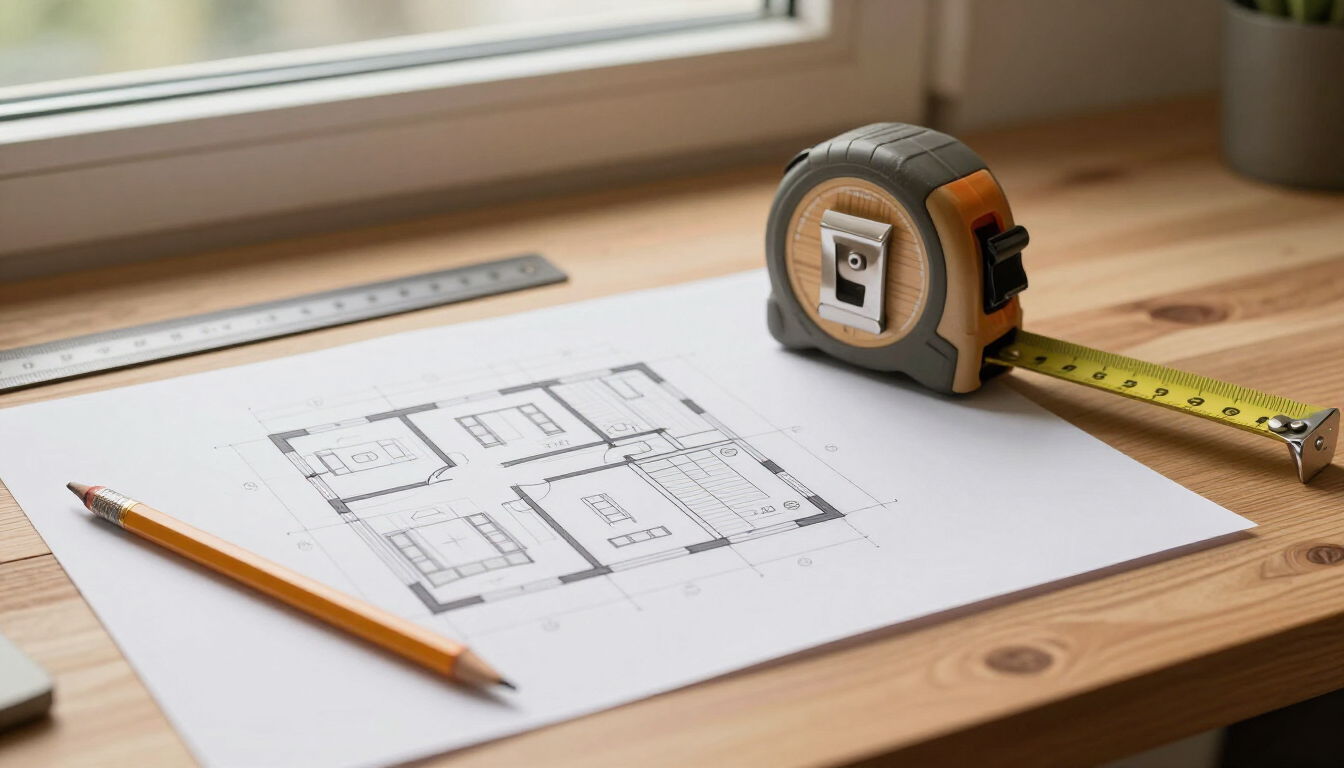
Floor plan sketches and a tape measure on a desk for planning a tiny home move

Inventory what you actually have

You cannot decide what to keep until you know what you own. Walk through your current home room by room and list categories — clothes, kitchenware, books, tools, paperwork, sentimental items, furniture, hobby gear. Do not list every spoon; list categories with rough counts. This inventory is often shocking in a useful way: most people own multiples of things they use one at a time. The inventory becomes the master list you work through in the next step. Photograph bulky items you are unsure about so you can compare them to your future home's dimensions.
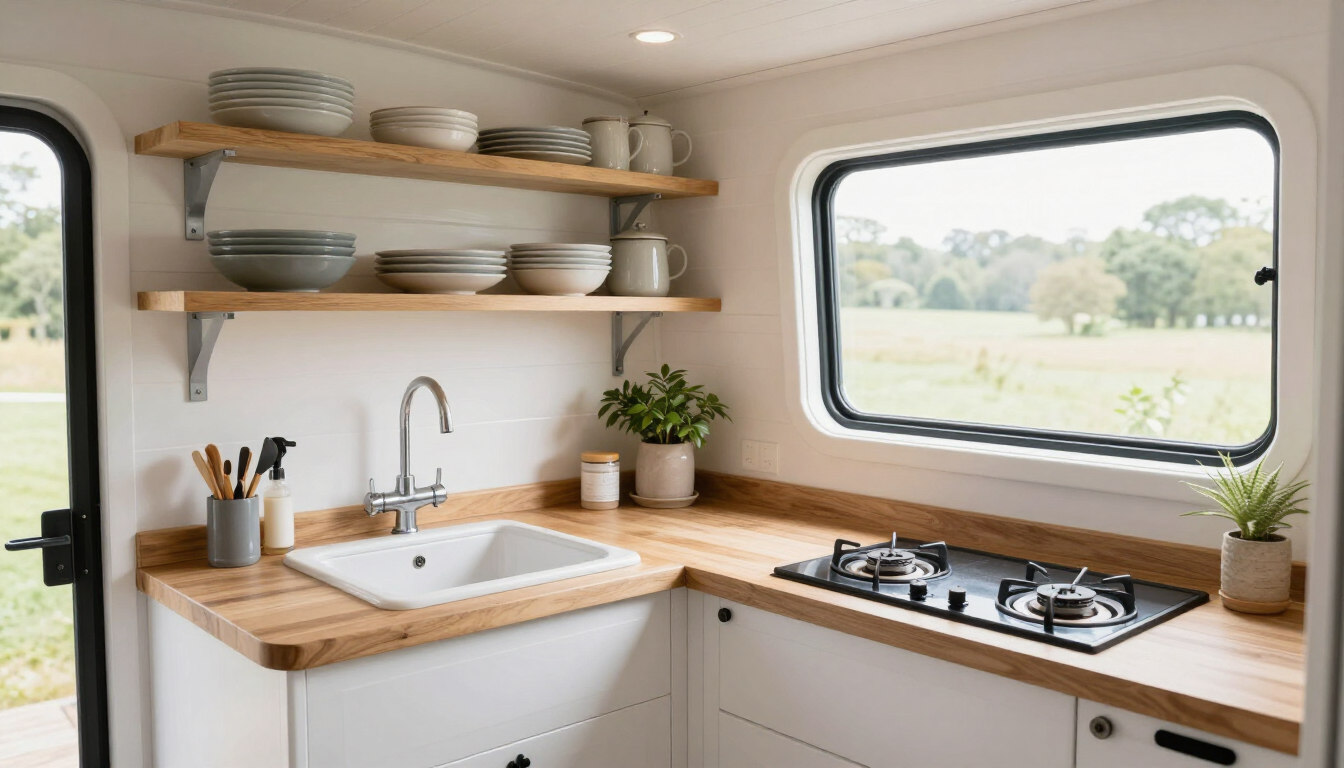
Compact tiny home kitchen with minimal items on the counter and open shelves

Declutter by category, not by room

The most effective method is to declutter by category — gather every item in a category from the whole house into one pile, then decide what stays. This works because it forces you to see the full volume of, say, your clothes at once, which makes keeping 30 of 200 far easier than trimming a drawer at a time. Work from easiest to hardest: clothes, then kitchenware, then books, then paperwork, then sentimental items last, when your decision muscles are strongest. For each item ask: do I use it, do I love it, and would I replace it if I lost it? If the answer is no to all three, it goes.
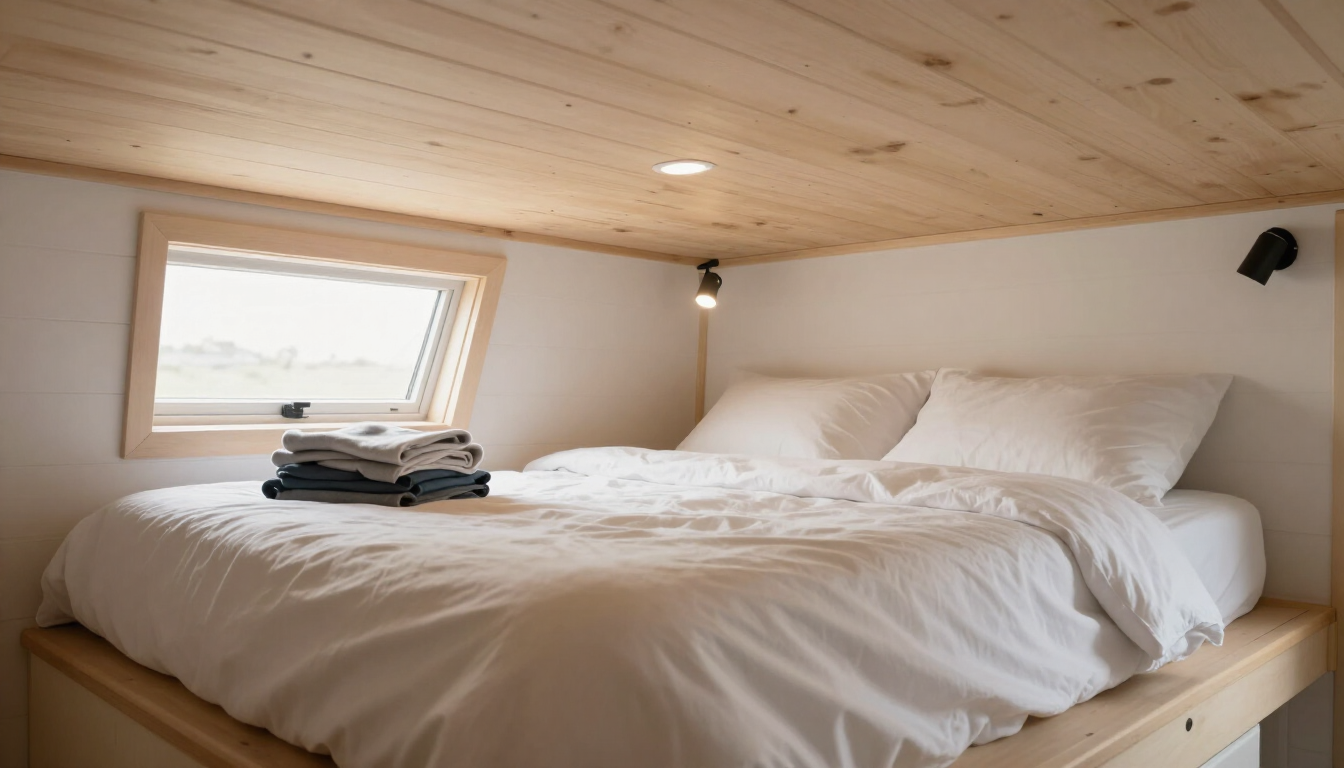
Tiny home loft bedroom with a made bed and minimal items

Digitize what you can

Paper and media are some of the bulkiest things people own, and the easiest to shrink. Scan important documents and store them backed up in the cloud; photograph kids' artwork and keepsakes rather than keeping every piece; replace DVDs, CDs, and books with digital or library equivalents where it makes sense for you. A single laptop can replace boxes of paper and shelves of media. Keep original hard copies only of legal documents (birth certificates, deeds, contracts) and a few irreplaceable keepsakes. This single step often eliminates more volume than any other.
Compact desk area in a tiny home with a laptop replacing boxes of paper

Plan storage around what you keep

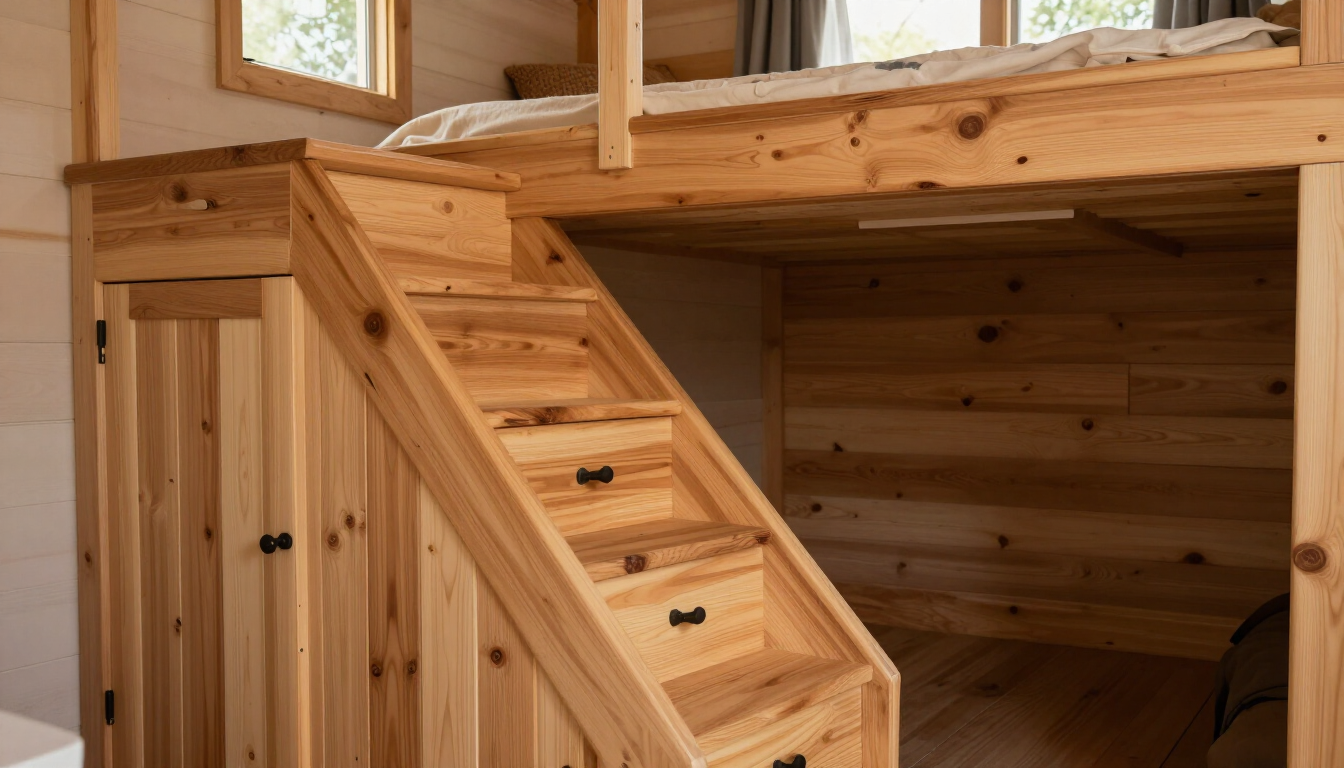
Once you know what is staying, design or choose storage to fit it — not the other way around. Built-in storage that uses dead volume (stair drawers, toe-kick cabinets, hollow benches) holds far more than freestanding shelves in the same footprint. Store items at the point of use, keep everyday things between knee and shoulder height, and reserve high and low storage for seasonal or rarely used items. If your kept belongings do not fit the storage plan, declutter more rather than crowding the home. See our
Tiny home staircase with built-in storage drawers and cabinets

Handle sentimental items with care

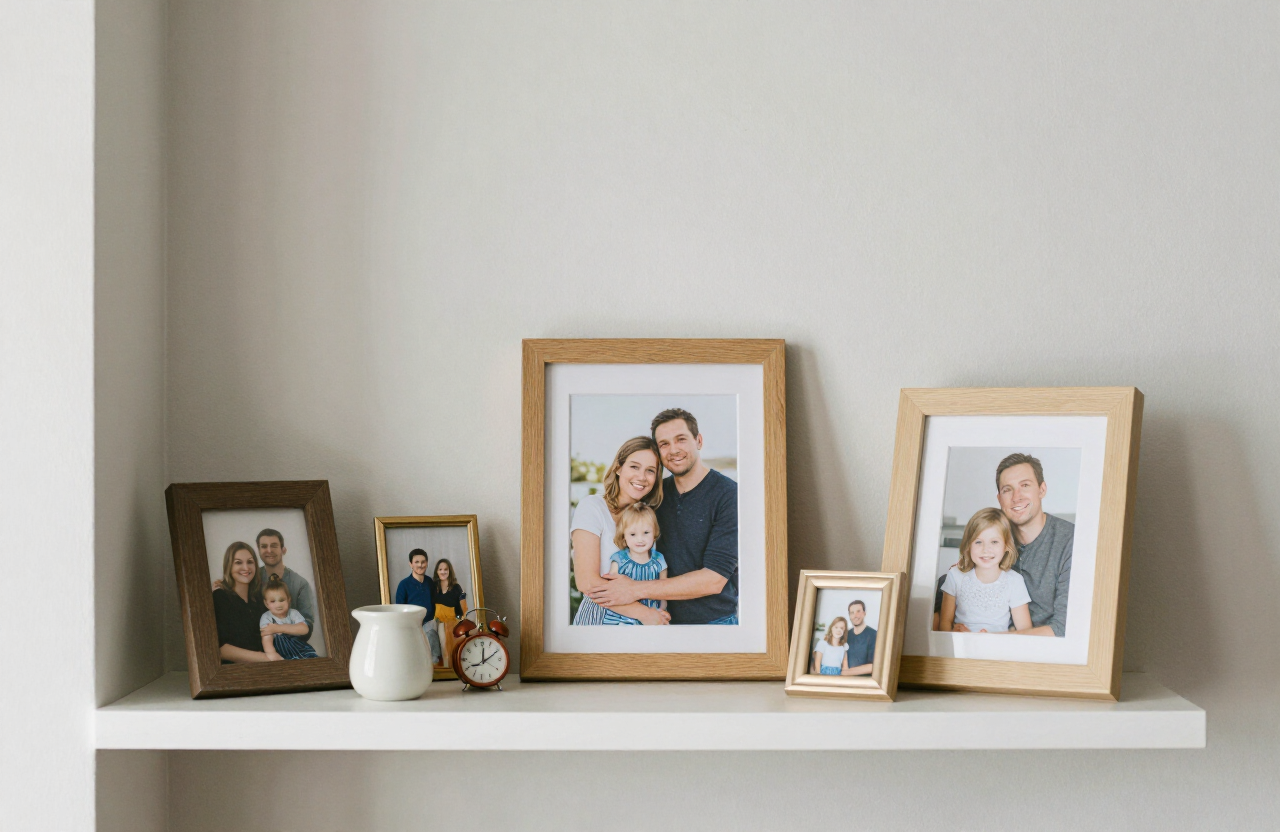
Sentimental items are where most people stall. Give them their own session, late in the process, and be gentle but honest. Keep a small, curated set of keepsakes that genuinely carry memory — a few photos, a couple of inherited pieces — and let the rest go to family who will use them, or photograph them before donating. The memory lives in you, not the object, and keeping a few meaningful pieces honors it better than storing boxes you never open. This is the step that turns decluttering from a chore into a relief.
A few curated family photos and small inherited keepsakes arranged on a narrow shelf in a tiny home

Adjusting to life with less

The first weeks in a tiny home are an adjustment as you learn new routines — cooking in a smaller kitchen, dressing from a capsule wardrobe, finding that things you shed were not missed. Most people report a surprising sense of calm within a month: less to clean, less to maintain, less mental clutter. Build in habits that prevent re-accumulation: a one-in-one-out rule for new purchases, a regular quick declutter, and intentional shopping. The goal is not minimalism as an aesthetic but enoughness — owning what you use and love and nothing more. Explore tiny homes for rent to try the life before committing.
Couple relaxing on a sofa in a tiny home, settled into a simpler routine

Downsizing steps at a glance

StepGoalTip
Set your why & targetClear motivation, storage budgetPick a home size first
Inventory by categorySee full volume ownedPhotograph bulky items
Declutter by categoryKeep only used/loved/replacedEasiest category first
Digitize paper & mediaReplace boxes with a laptopKeep only legal originals
Plan storage to fitMatch storage to kept itemsUse built-in dead volume
Curate sentimental itemsKeep a few meaningful piecesPhotograph before donating
Adjust & maintainPrevent re-accumulationOne-in-one-out rule
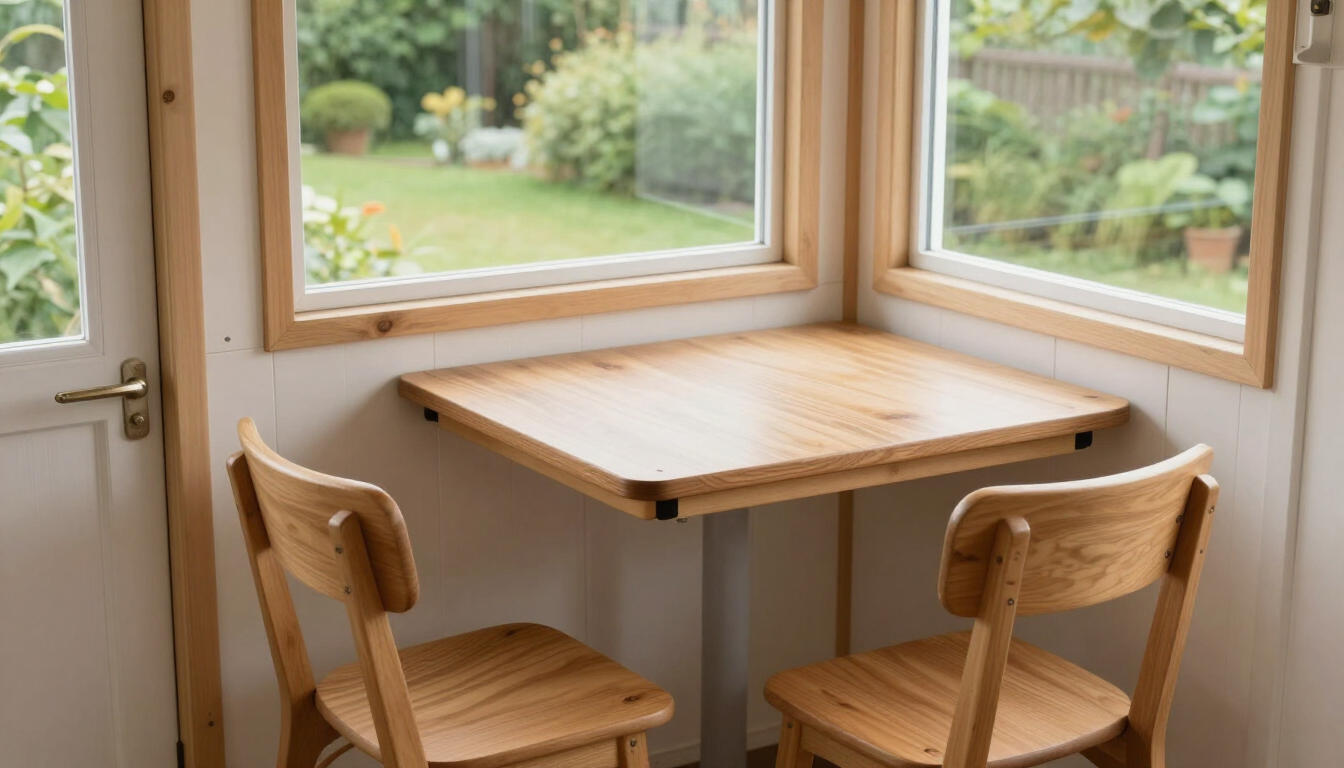
Tiny home dining nook with a fold-down table and two chairs in a calm uncluttered space

Putting it all together

Downsizing to a tiny home is a process, not a weekend — start with your motivation, set a storage budget, inventory by category, declutter from easiest to hardest, digitize paper and media, plan storage around what stays, and curate sentimental items with care. The adjustment period is real but short, and most people come out the other side feeling lighter and more intentional. The stuff you shed was not serving you; the life you gain is. Ready to start? Browse

Related articles

More guides that dig deeper into the same topics.

Frequently asked questions

How long does it take to downsize for a tiny home?+

For most households, a thorough downsizing takes one to three months of steady work, with sentimental items taking the longest. Start early — ideally before you choose or build the home — so the storage budget you set is realistic for what you actually keep.

What should I keep when downsizing to a tiny home?+

Keep what you use regularly, what you genuinely love, and what you would replace if you lost it. If an item fails all three tests, it can go. Apply this across categories, working from easy (clothes, kitchenware) to hard (sentimental items).

How do I handle sentimental items I cannot bear to throw out?+

Keep a small, curated set of pieces that truly carry memory, and let the rest go to family who will use them or donate them. Photograph keepsakes before letting them go — the memory lives in you, not the object, and a few meaningful pieces honor it better than stored boxes.

Should I digitize my paperwork before moving?+

Yes. Scanning documents and storing them backed up in the cloud, and photographing kids' artwork, replaces boxes of paper with a laptop. Keep original hard copies only of legal documents like birth certificates, deeds, and contracts.

How do I stop clutter from coming back?+

Adopt a one-in-one-out rule for new purchases, do a quick regular declutter each season, and shop intentionally. The goal is not minimalism as an aesthetic but enoughness — owning what you use and love and nothing more.

Can I try tiny home living before committing?+

Yes — renting a tiny home for a week or two is one of the best ways to test whether the lifestyle suits you before you buy or build. Browse tiny homes for rent to find a stay that matches the size and setup you are considering.

Ready to start searching?

Browse tiny homes, plans, builders, communities and land on the interactive map.

Explore the map
>