Market Trends & Investment

Future of Tiny Homes: Trends and Innovations

13 min read · Updated March 14, 2026

By John

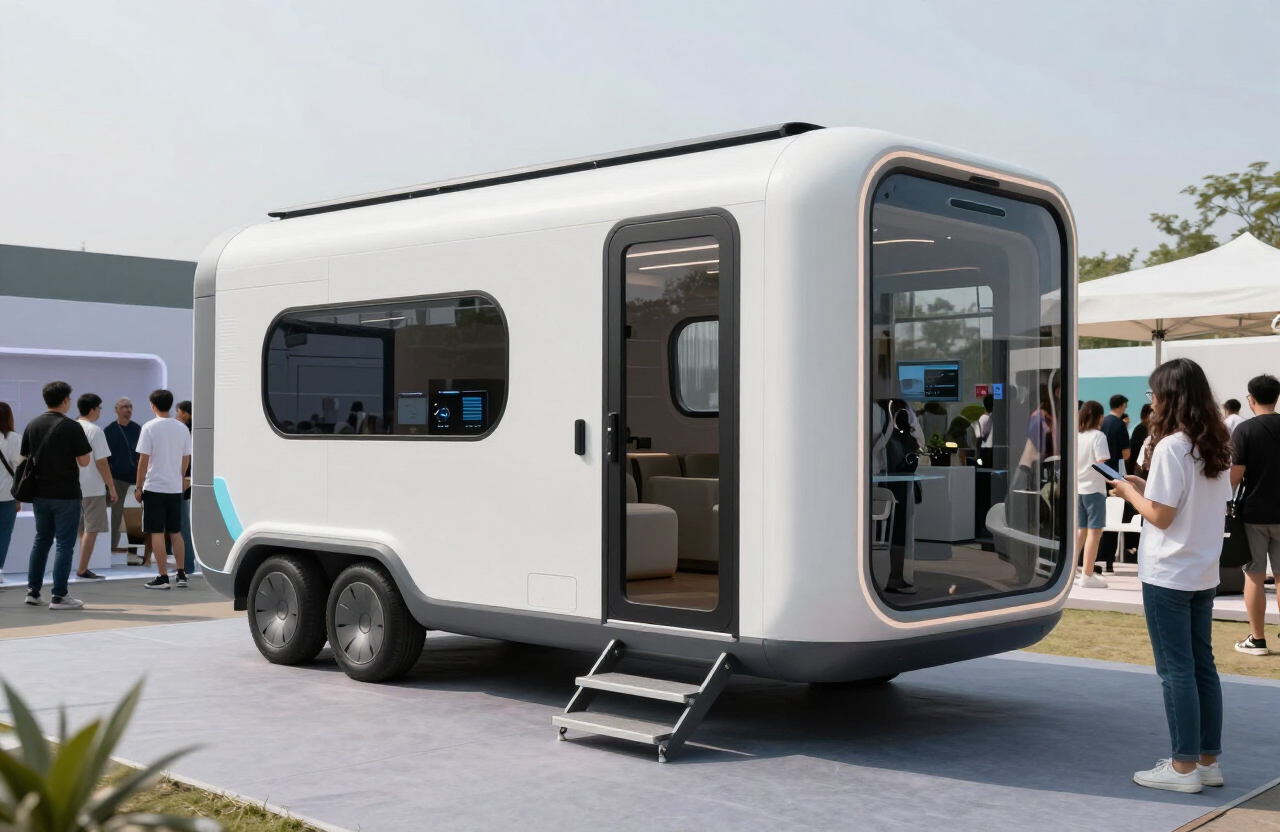
Tiny homes are evolving fast — new materials, new building methods, and new technology are making small-footprint living more efficient, more sustainable, and more accessible. Here is a practical look at the future of tiny homes and the trends shaping it.
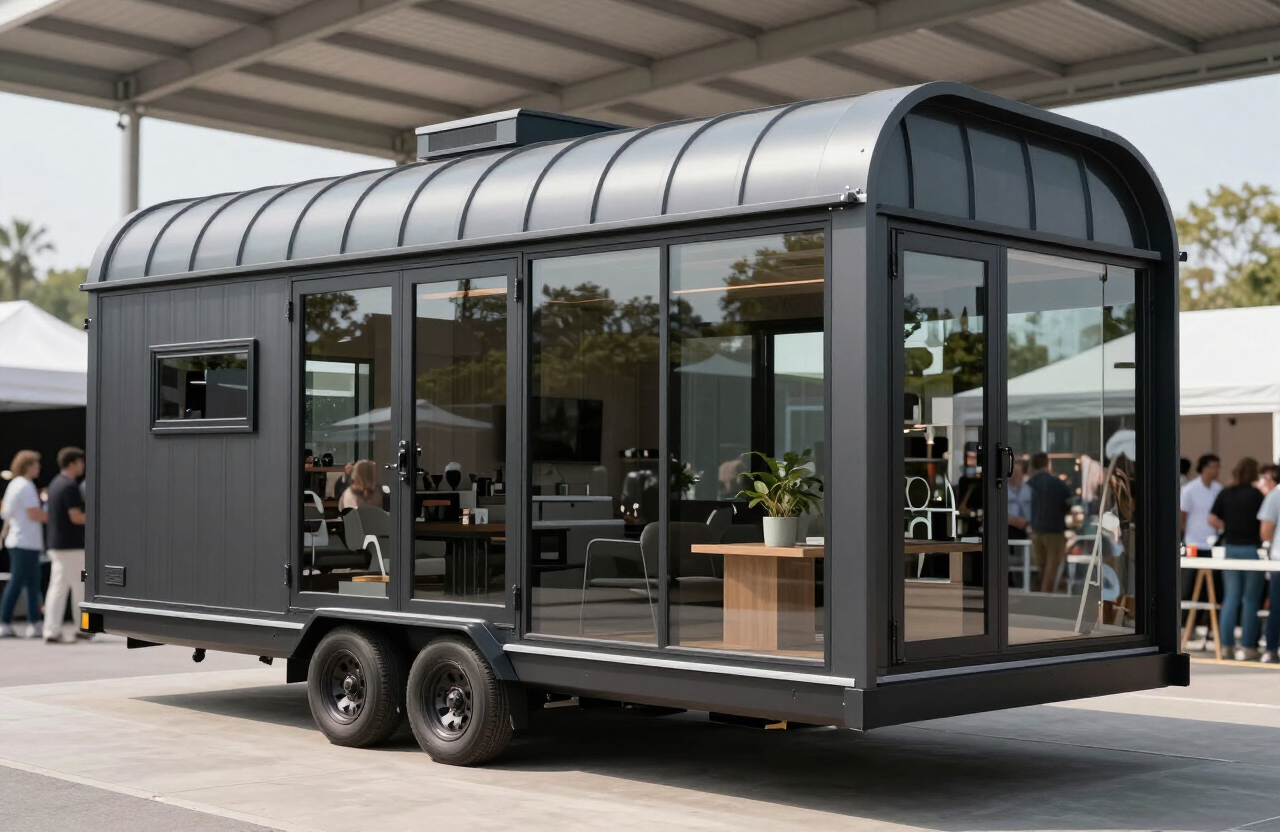
Sleek modern tiny house on wheels prototype with a curved metal roof and large glass doors at a design expo

Where tiny homes are heading

The tiny home movement has grown from a countercultural experiment into a recognized housing segment, and it is still evolving. The forces shaping the future are the same ones shaping all housing: affordability pressure, climate concern, and technology. What makes tiny homes distinctive is how quickly they can adopt new approaches — a small, movable, or modular home is a faster testbed for innovation than a conventional house. This article looks at the trends and innovations most likely to shape tiny living in the next decade, from how homes are built to how they are powered and how people live together. For current options, browse tiny homes for sale and builders.

Modular and prefab construction

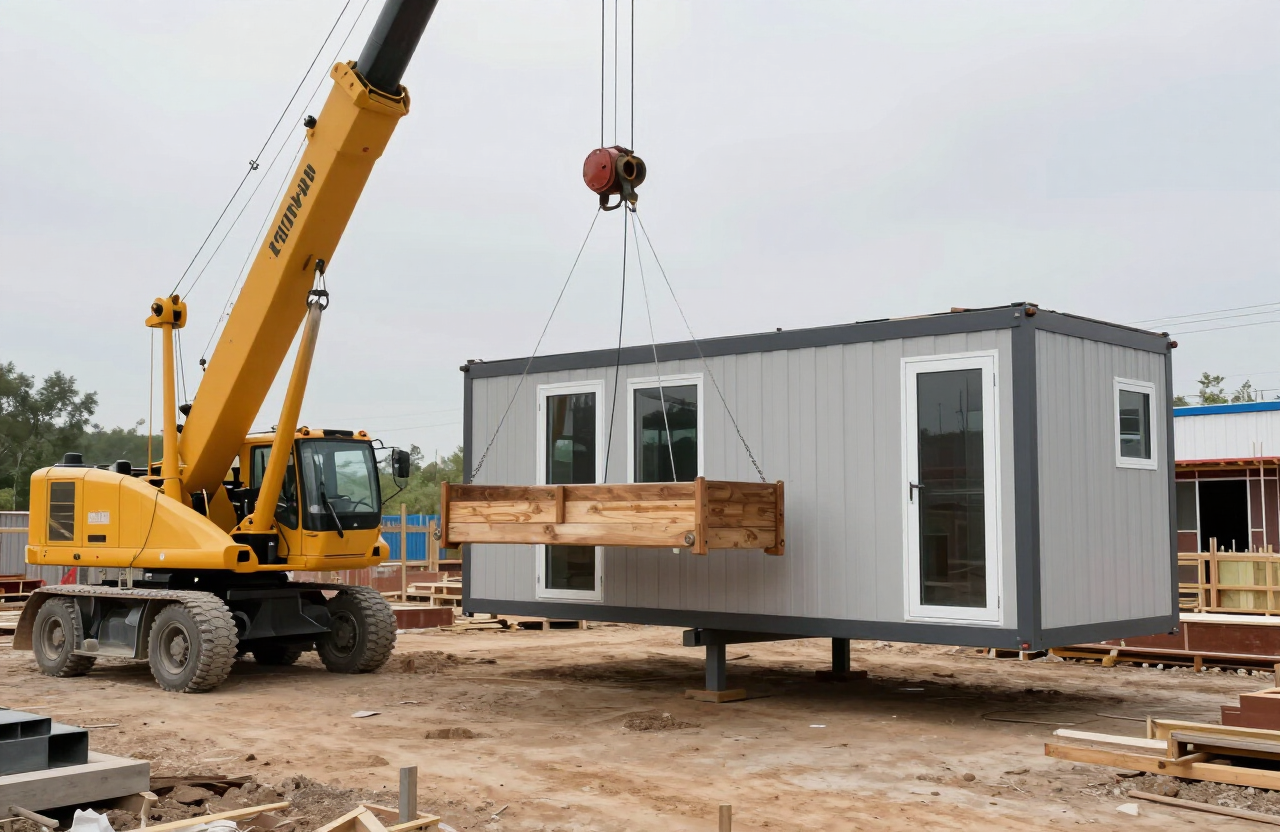
Modular and prefab construction is the biggest shift in how tiny homes are built. Instead of stick-building every home from scratch, factories produce standardized modules — a bathroom pod, a kitchen module, a sleeping loft — that are assembled into a finished home in days rather than months. The benefits are consistent quality, lower cost through scale, faster delivery, and less waste. Several builders already ship flat-pack tiny home kits that a buyer or local crew assembles on-site. As the factory infrastructure grows, expect prefab tiny homes to drop in price and rise in quality, making tiny living accessible to more people.
Modular tiny home sections being crane-lifted and joined together on a building site

3D printing and alternative building methods
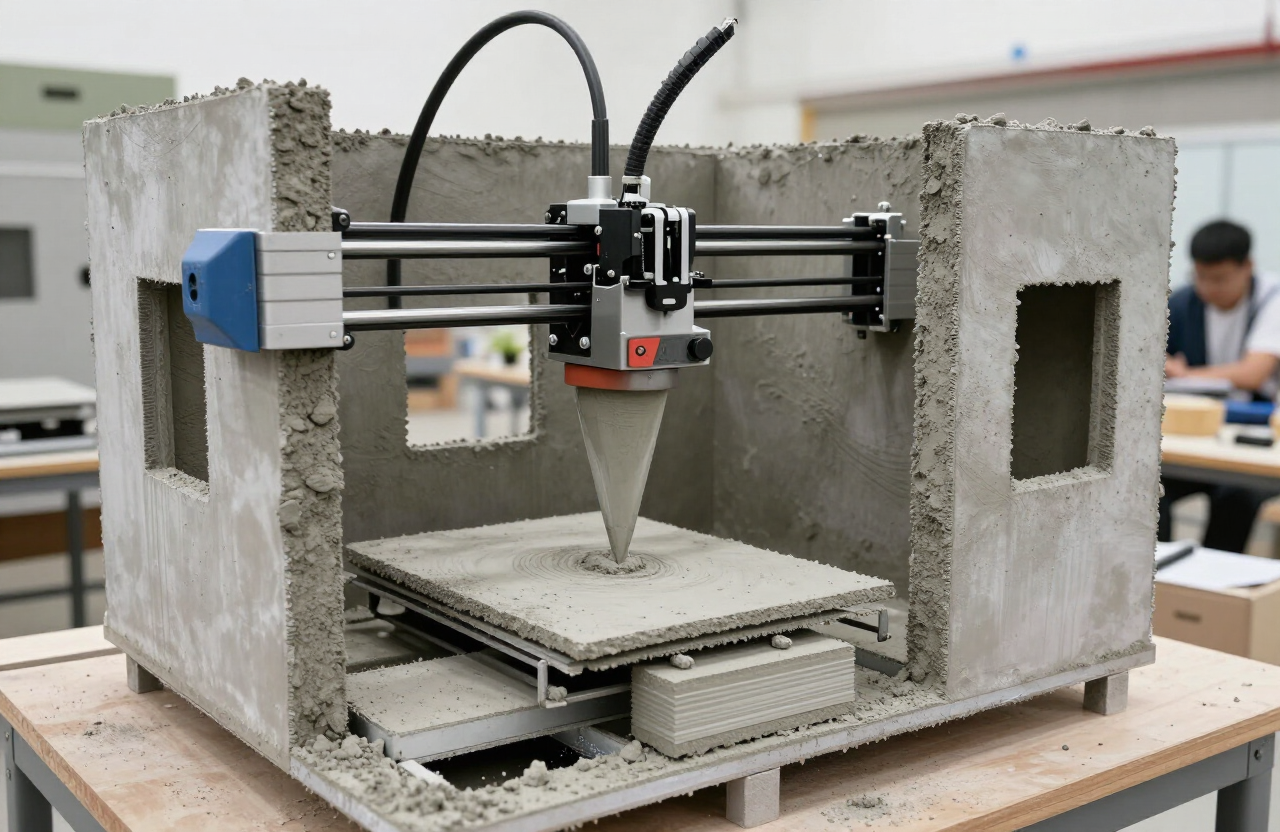
3D printing is beginning to reach tiny homes, mostly for foundation structures. A large printer extrudes concrete layer by layer to form walls in a day or two, with curves and insulation channels built in. While still early, the promise is low-cost, low-waste, highly customizable foundation tiny homes. Other alternative methods include hempcrete, rammed earth, and recycled-material panels, all of which lower embodied carbon and suit a small footprint. These methods are most practical where local materials and labor make them cost-competitive. Watch this space for foundation tiny homes; THOWs will likely stick to lighter frame construction for now.
Large 3D printer extruding concrete layers to form the walls of a small experimental tiny house

Sustainable and bio-based materials

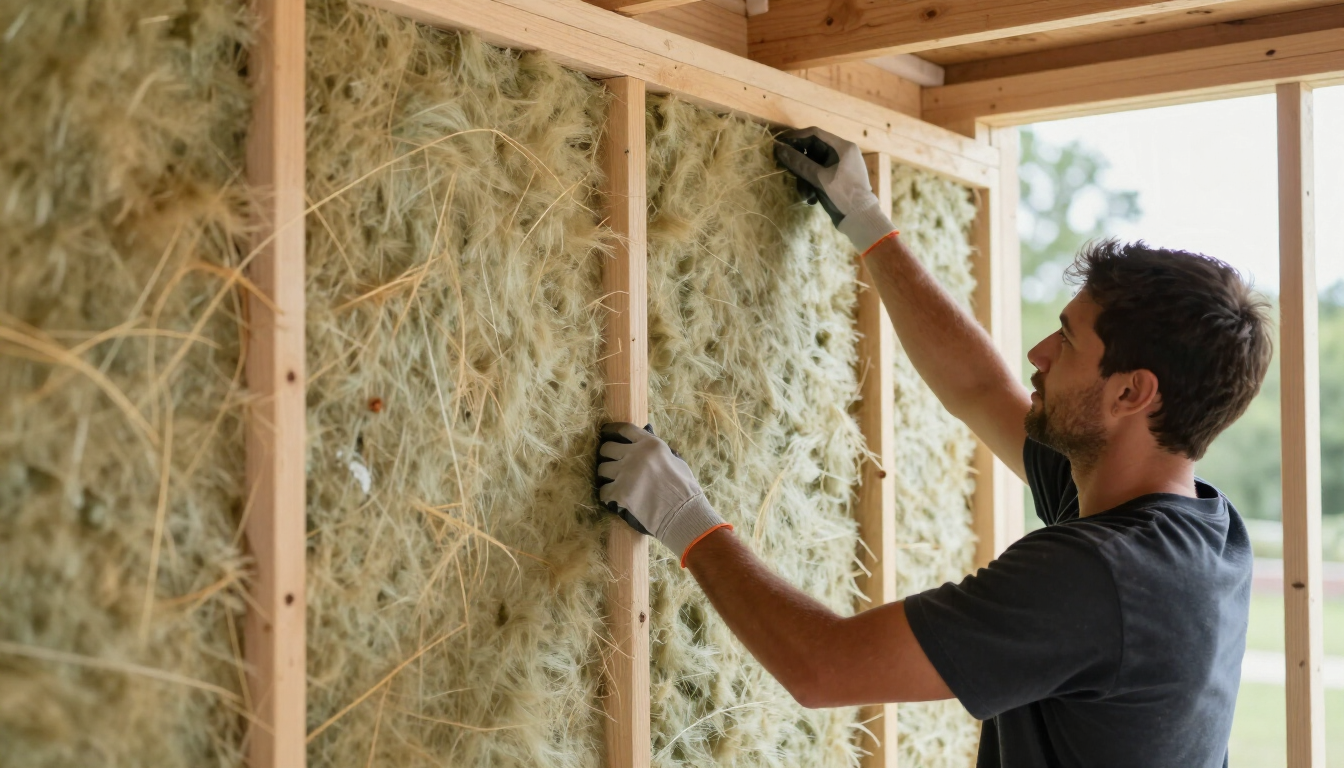
The materials inside tiny homes are getting greener. Hemp insulation, sheep's wool, recycled denim, and cork are replacing fiberglass and foam in forward-thinking builds, offering good R-value with far lower embodied carbon and better indoor air quality. Reclaimed and FSC-certified wood, recycled-glass counters, and low-VOC finishes reduce both environmental impact and off-gassing in a small, tightly sealed space. Because a tiny home uses relatively little material, choosing sustainable options is affordable in a way it is not for a large house. Expect bio-based and recycled materials to become the default in quality tiny homes within a few years.
Builder installing recycled hemp insulation panels in the wall of a modern tiny home prototype

Off-grid and net-zero capability

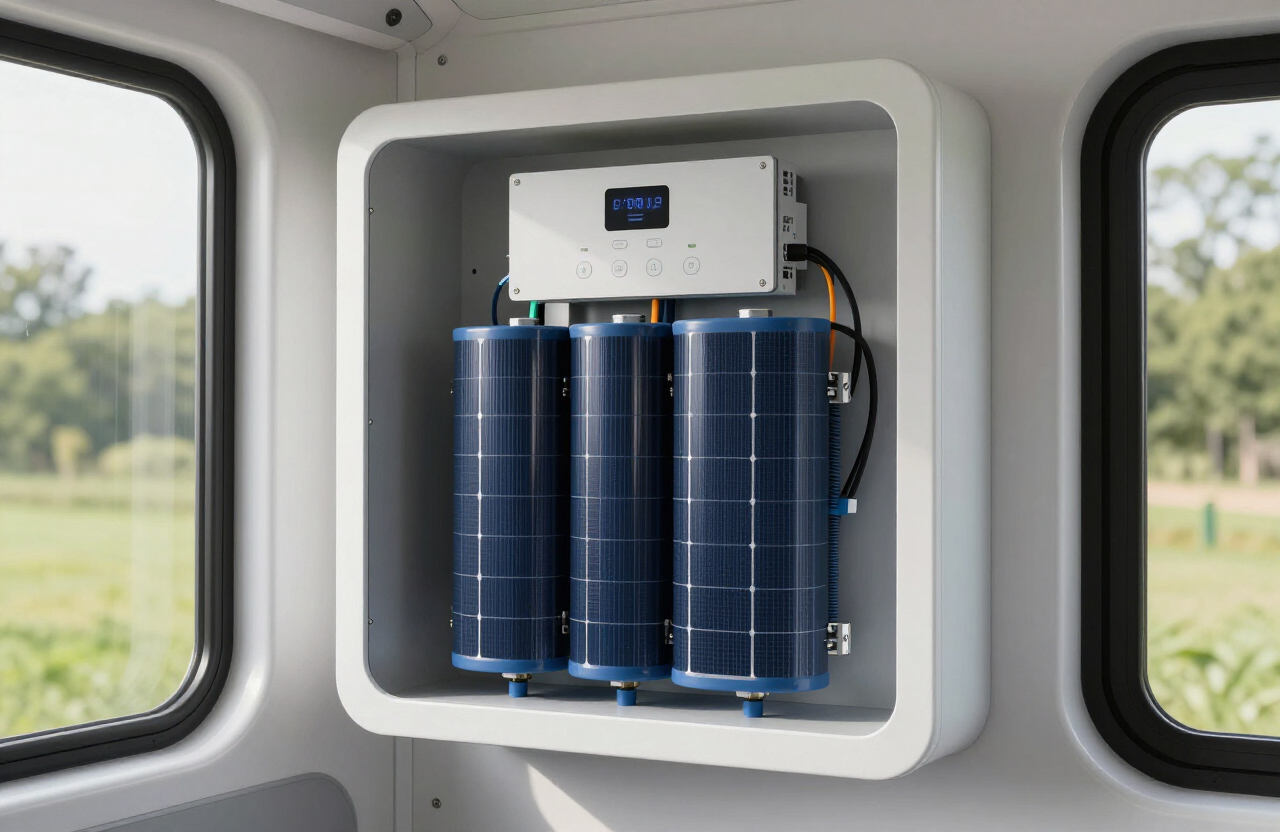
Off-grid capability is moving from a niche feature to a standard expectation. Improvements in solar panel efficiency, lithium battery density, and heat-pump performance mean a tiny home can now be net-zero — producing as much energy as it uses — at a reasonable cost. Water independence through rainwater catchment and greywater reuse is increasingly permitted and engineered. Composting toilets and incinerating toilets eliminate black-water handling entirely. The result is a tiny home that can sit almost anywhere with minimal utility infrastructure, which expands where tiny living is possible. See our

Smart home integration as standard

Smart home technology is becoming standard in new tiny homes rather than a retrofit. Builders now integrate smart climate control, energy monitoring, lighting, and security as part of the package, controlled from a single app or a wall-mounted tablet. The tight energy budget of a tiny home makes automation genuinely valuable, not gimmicky — scheduling and monitoring can cut consumption significantly. Voice control and local hubs keep systems running even off-grid or offline. As costs fall, expect even modest tiny homes to ship with a basic smart layer. See our
Smart electrical grid control panel with battery storage and solar inverters inside a future-focused tiny home

Vertical and urban tiny living

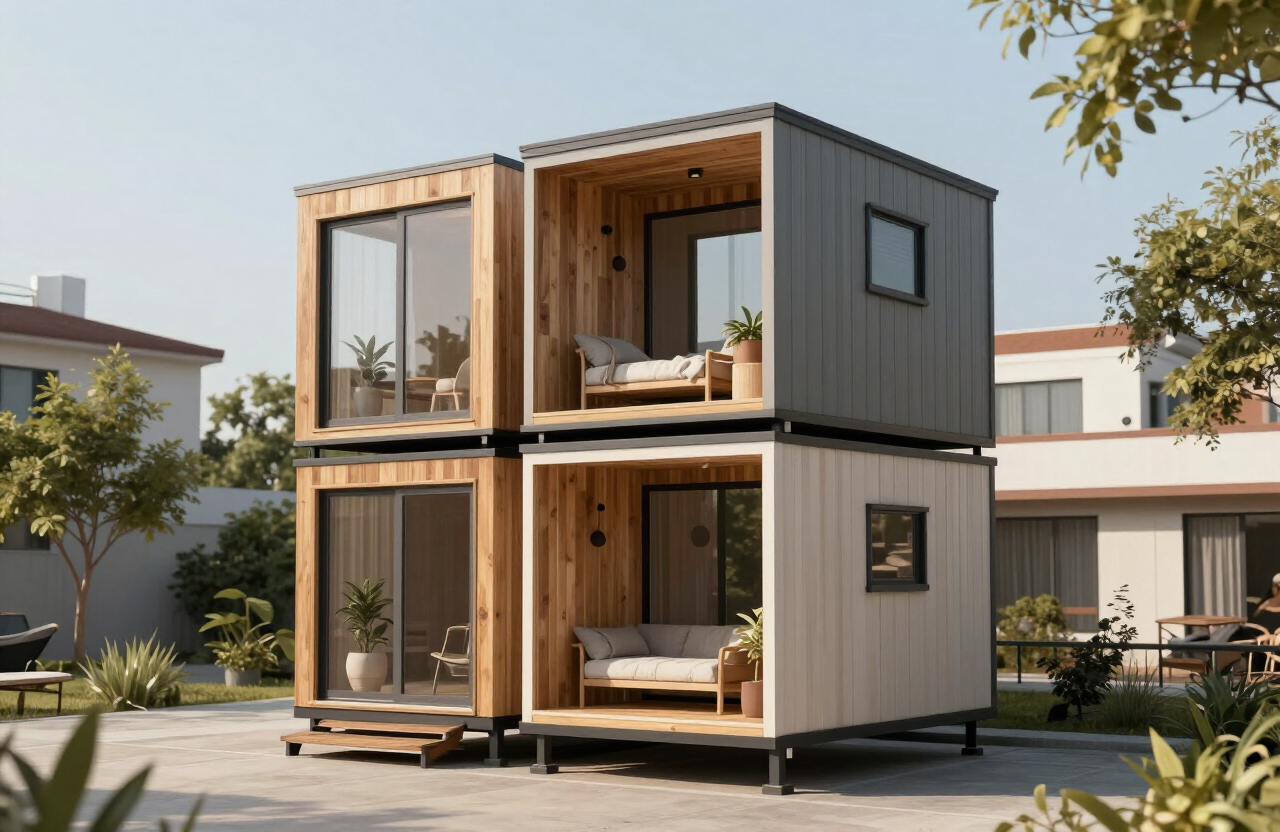
As cities seek denser, more affordable housing, vertical and urban tiny living is emerging. Stacked modular tiny homes on small urban footprints, micro-apartments with convertible furniture, and tiny home clusters on underused city lots all address the urban housing crunch. Some designs stack tiny homes several stories high around a shared core of stairs, utilities, and common space. The challenge is zoning, but cities facing severe affordability crises are experimenting. For buyers, urban tiny living offers proximity to jobs and culture at a fraction of conventional urban housing cost. Expect pilot projects to multiply in the next decade.
Multi-level vertical tiny home prototype with stacked modules on a small urban footprint

Tiny home communities and villages

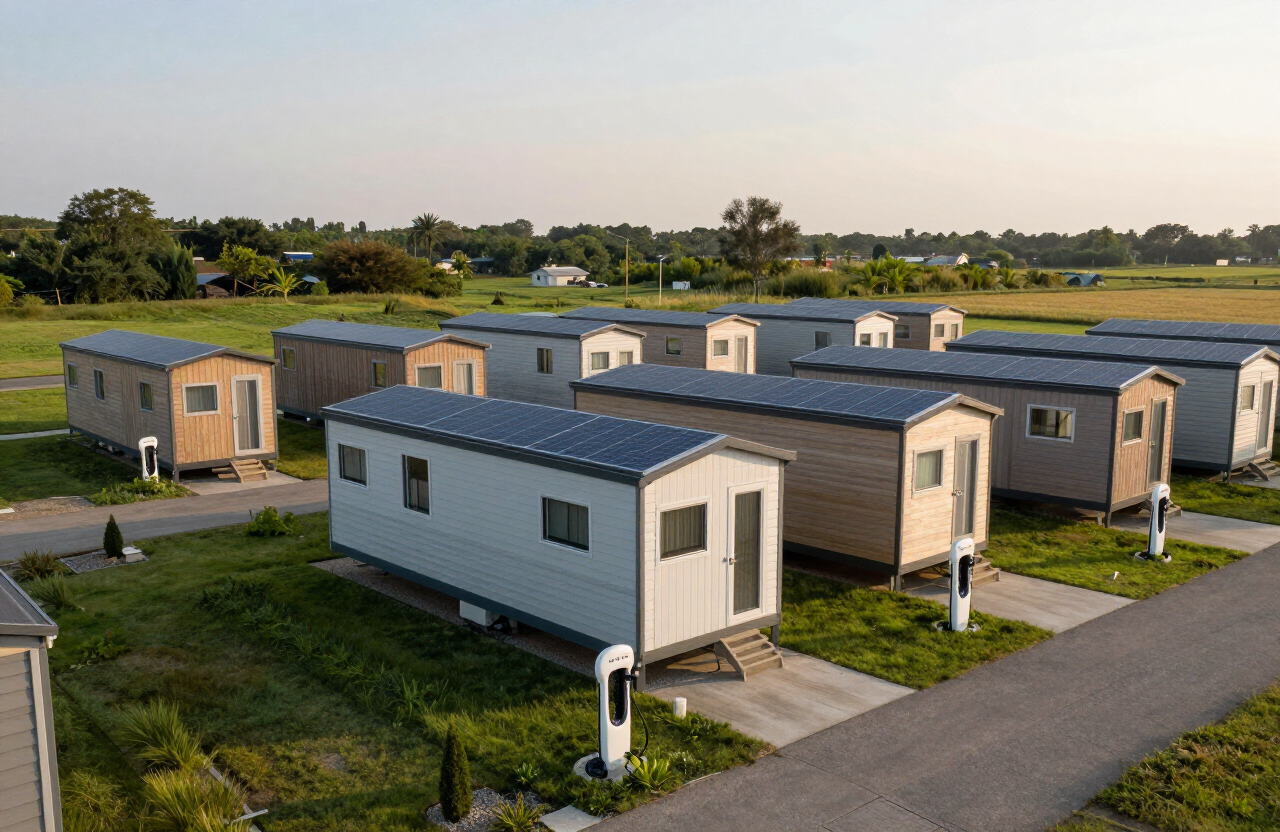
The community side of tiny living is scaling up. Planned tiny home villages, cohousing developments, and tiny home subdivisions are being built across the country, often with shared amenities like common houses, gardens, and workshops. Some are private developments, others are nonprofit or municipal projects addressing affordable housing or homelessness. These villages prove that tiny homes work not just as individual dwellings but as neighborhoods, with shared infrastructure lowering per-home cost. As zoning catches up, expect tiny home communities to become a recognized housing category. Explore
Conceptual tiny home community of the future with solar roofs, shared green spaces, and EV charging stations

Policy and financing catching up

The biggest unlock for tiny homes is policy and financing. More states are adopting Appendix Q and ADU laws that legalize foundation tiny homes, and a few are creating specific tiny home titles and standards. On the financing side, specialty lenders are offering tiny home loans and RV loans tailored to THOWs, and some credit unions now mortgage foundation tiny homes. Insurance products designed for full-time tiny living are expanding. As these frameworks mature, tiny homes become easier to buy, finance, insure, and legally live in — which is the foundation for mainstream adoption. Track your state's legislation and lender offerings as they evolve.

What the future means for you

The future of tiny homes is not a single gadget or material — it is the steady normalization of small-footprint, efficient, community-oriented living. For buyers, that means more choices, lower costs, and easier financing and legal status in the coming years. For current owners, it means your home is part of a growing movement with increasing support and resale potential. Whether you are buying, building, or just exploring, the trends point toward tiny living becoming more accessible and more sustainable. Browse

Related articles

More guides that dig deeper into the same topics.

Frequently asked questions

What is the future of tiny homes?+

Tiny homes are heading toward cheaper, greener, smarter, and more widely legal living. Key trends include modular and prefab construction, sustainable bio-based materials, net-zero off-grid capability, smart home integration, vertical urban designs, scaled tiny home villages, and maturing policy and financing that make tiny living easier to buy and legally live.

Will 3D-printed tiny homes become common?+

3D printing is emerging for foundation tiny homes, where a printer extrudes concrete walls in a day or two at low cost and low waste. It is still early and most practical where local labor and materials make it competitive. Expect 3D-printed foundation tiny homes to grow over the next three to seven years, while THOWs will likely stick to lighter frame construction.

Are tiny homes becoming more affordable?+

Yes, gradually. Modular and prefab construction lowers cost through factory scale and faster builds, and maturing financing and insurance make tiny homes easier to buy. Sustainable materials are affordable in a tiny home because relatively little material is used. Policy changes like ADU laws and Appendix Q adoption also reduce legal and permitting costs.

Will tiny homes become legal in more places?+

The trend is toward wider legality. More states are adopting Appendix Q and ADU laws that legalize foundation tiny homes, and a few are creating specific tiny home titles and standards. Zoning still varies locally, so always check your jurisdiction, but the policy direction is clearly toward greater acceptance over the next decade.

Can a tiny home be net-zero energy?+

Yes. Improvements in solar panel efficiency, lithium battery density, and heat-pump performance mean a well-designed tiny home can produce as much energy as it uses, at a reasonable cost. Pair solar with good insulation, efficient appliances, and smart energy management, and a tiny home can be net-zero or fully off-grid.

Are tiny home communities the future?+

Planned tiny home villages and cohousing developments are scaling up, often with shared amenities that lower per-home cost. Some are private, others are nonprofit or municipal projects addressing affordable housing. As zoning catches up, tiny home communities are becoming a recognized housing category rather than a fringe idea.

Will smart home tech become standard in tiny homes?+

Yes. Builders now integrate smart climate control, energy monitoring, lighting, and security as part of the package in new tiny homes. The tight energy budget makes automation genuinely valuable, and falling costs mean even modest tiny homes will ship with a basic smart layer, controlled from a single app or wall-mounted tablet.

Ready to start searching?

Browse tiny homes, plans, builders, communities and land on the interactive map.

Explore the map
>