Lifestyle
Winter Living in a Tiny Home: Staying Warm and Dry
7 min read · Updated November 17, 2025
By John
A small home is easy to heat but quick to cool — and condensation is the hidden enemy. Here is how to winter in a tiny home comfortably.
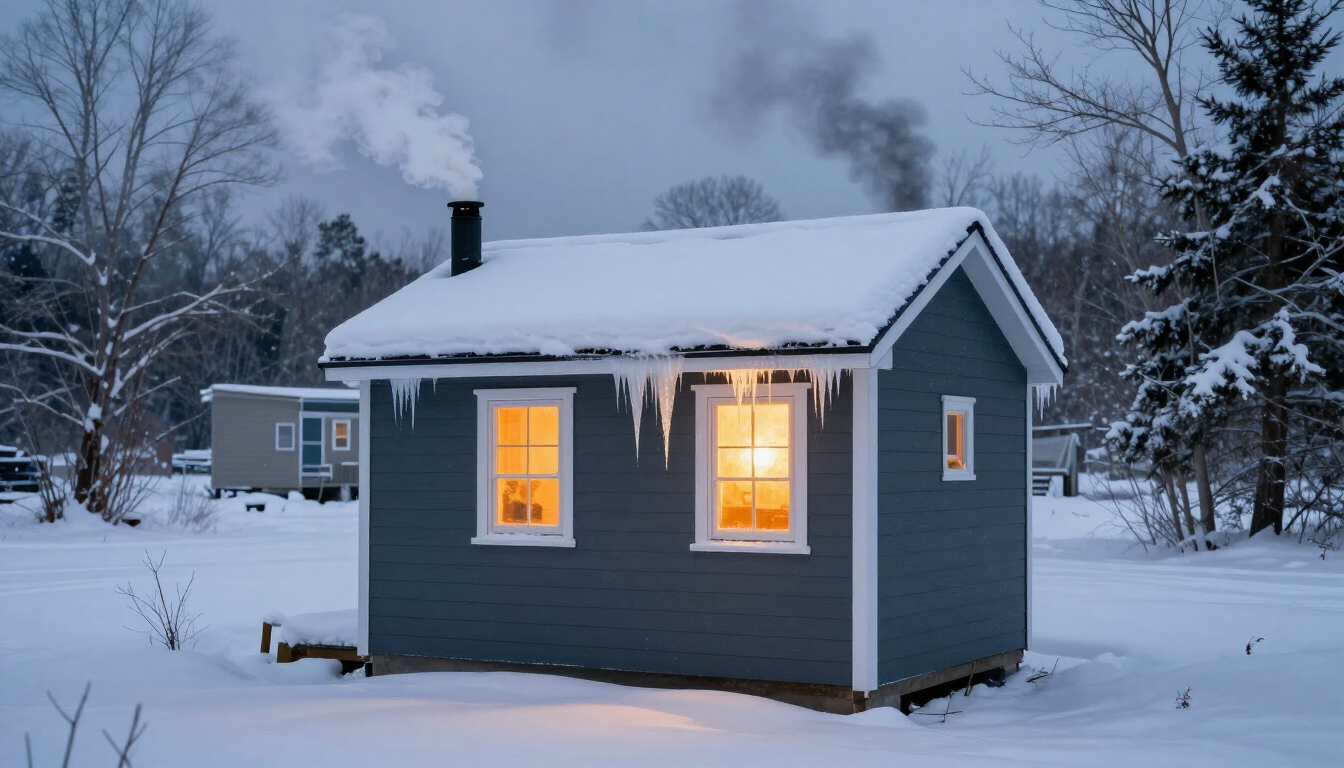
Easy to heat, easy to lose
A well-insulated tiny home warms up fast — body heat, cooking, and a small heater can make it cozy in minutes. The flip side is that the same small thermal mass loses heat quickly when the heater cycles off. The answer is good
Condensation is the real enemy
Four people breathing, cooking and showering in 300 sq ft produce a lot of moisture, and in a tight, cold box that moisture condenses on windows, walls and inside the envelope — leading to mold and rot. The fix is ventilation: a continuous exhaust fan, a vented kitchen range hood, and a vented bathroom fan. A composting toilet with its own vent helps. Ventilation costs a little heat but saves the home.
Plumbing and freezing
Any plumbing in a tiny home that sits in freezing weather must be protected. Heat-trace cable and insulation on vulnerable runs, a heated skirting around the trailer, and routing supply lines inside the heated envelope all prevent freeze damage. If you leave the home unheated, drain and blow out the lines — see our plumbing basics. Off-grid homes need a battery bank sized for shorter, cloudier winter days (see solar sizing).
Daily winter routines
Winter tiny living rewards routine: keep firewood or propane stocked, dry wet gear outside or in a vented mud area, and run the exhaust fan during cooking and showers. A good rug and warm bedding make the small space feel snug rather than cold. With the envelope, ventilation and heating dialed in, a tiny home in winter can be the coziest dwelling there is — see
Related articles
More guides that dig deeper into the same topics.
Ready to start searching?
Browse tiny homes, plans, builders, communities and land on the interactive map.
Explore the map