Design & Interior

Tiny Home Renovations: Upgrading and Modernizing

12 min read · Updated March 13, 2026

By John

A tiny home is not frozen in time — it can grow with you. Here is a practical guide to tiny home renovations that upgrade comfort, efficiency, and style without blowing the budget or the walls out.
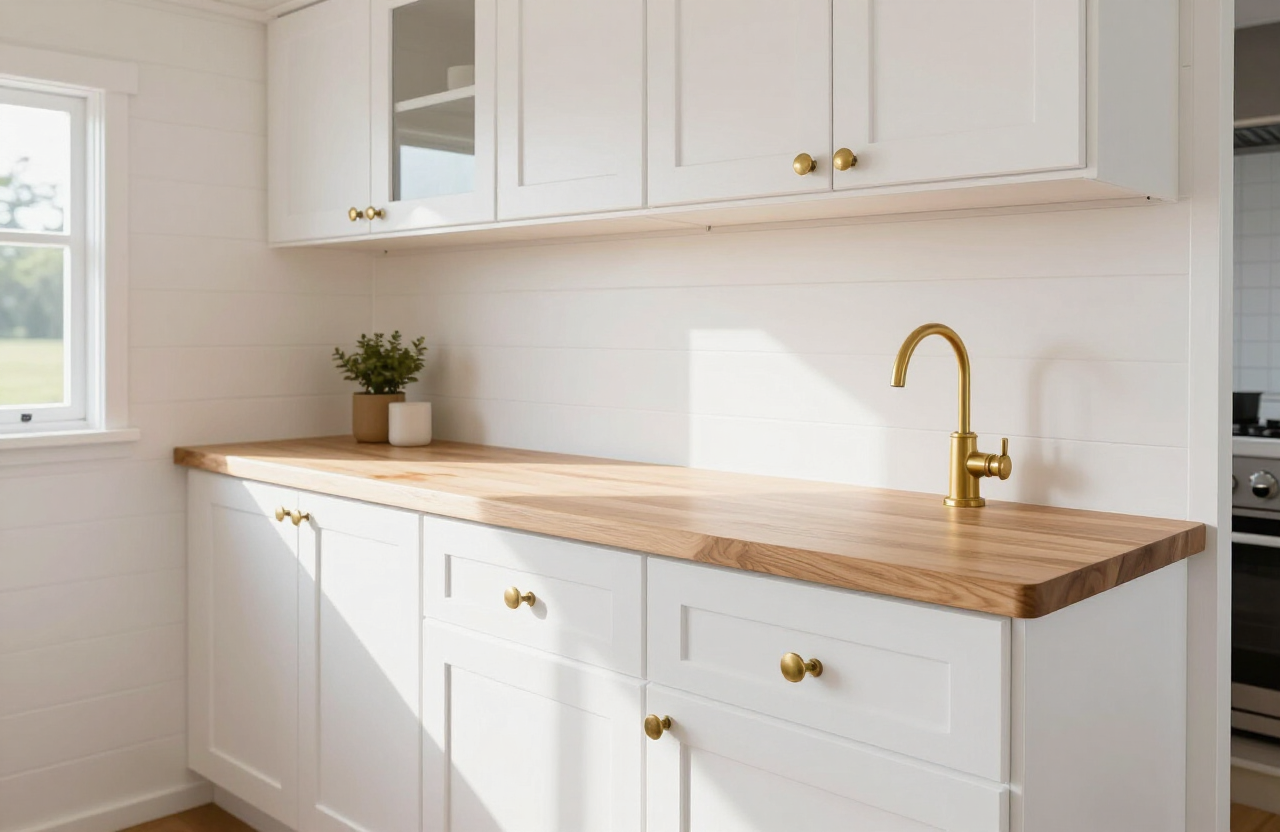
Freshly renovated tiny home interior with new white shaker cabinets, butcher block countertop, and brass fixtures in bright light

Why renovate instead of replace

A tiny home's bones — its trailer, framing, and shell — are usually sound long after its finishes look tired. Renovating a tiny home lets you fix the things that annoy you daily, modernize inefficient systems, and refresh the look for a fraction of buying new. The key is to prioritize: tackle the upgrades that improve comfort and value first, and treat cosmetic changes as the reward at the end. Browse tiny homes for sale if you are weighing renovation against a new purchase.

Plan the renovation before you swing a hammer

In a tiny home, every renovation ripples because the space is so interconnected — a new fridge may force a cabinet rebuild, and new flooring means moving every piece of furniture. List every change you want, group them by trade (plumbing, electrical, finish), and sequence them so you do not close up a wall you still need to reach. Set a budget with a 20 percent contingency, because small spaces hide big surprises. If the home is on wheels, plan renovations when it is parked level and stable for weeks, not before a move.

Kitchen upgrades that pay off

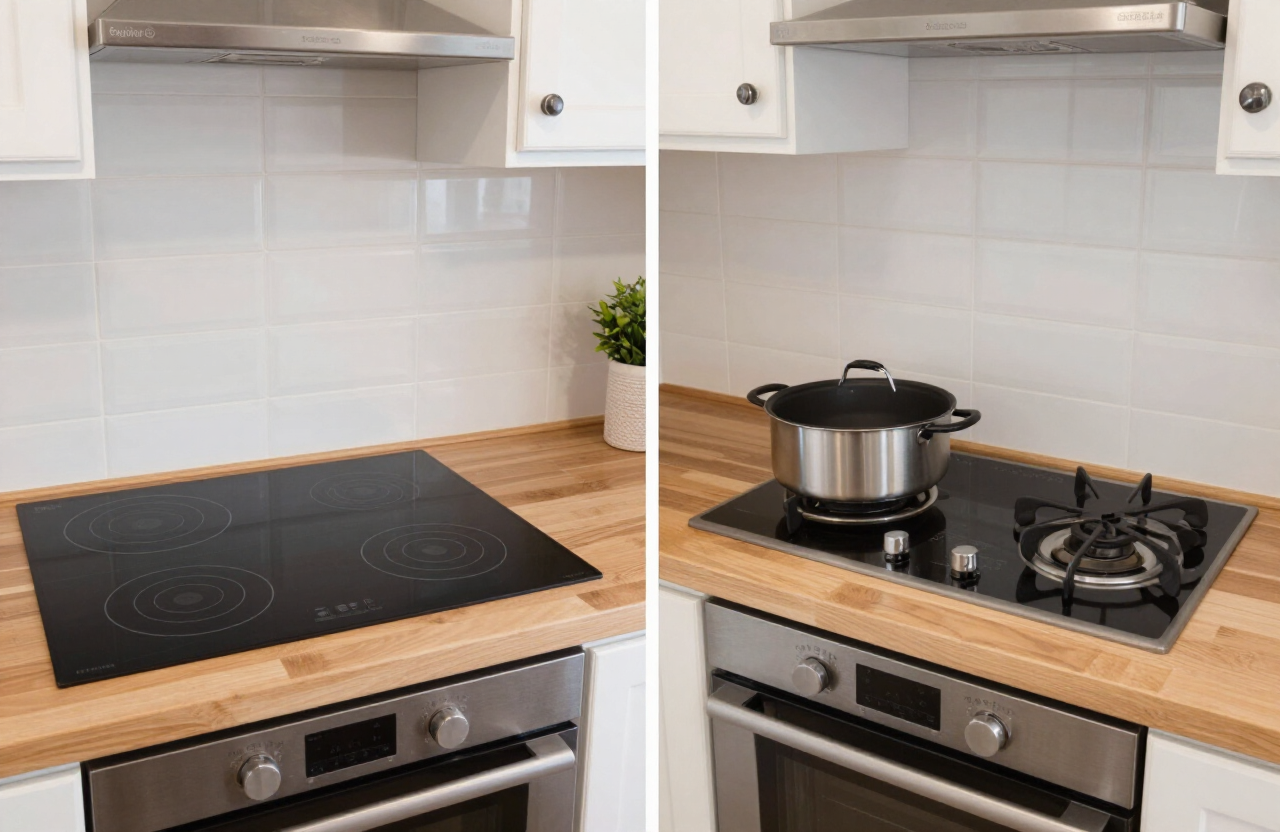
The kitchen is the most-used and most-dated space in a tiny home, so it is where renovations show. Swap old upper cabinets for open shelving to make the room feel larger, replace a residential fridge with a slim apartment-size or 12-volt DC model, and upgrade to an induction cooktop if your power system can handle it. A new butcher block or stainless countertop refreshes the whole room, and a tile or metal backsplash protects the wall behind the stove. Keep the sink — moving plumbing is the expensive part. See our
Renovated tiny home kitchen with a new induction cooktop and tile backsplash installed

Bathroom modernization

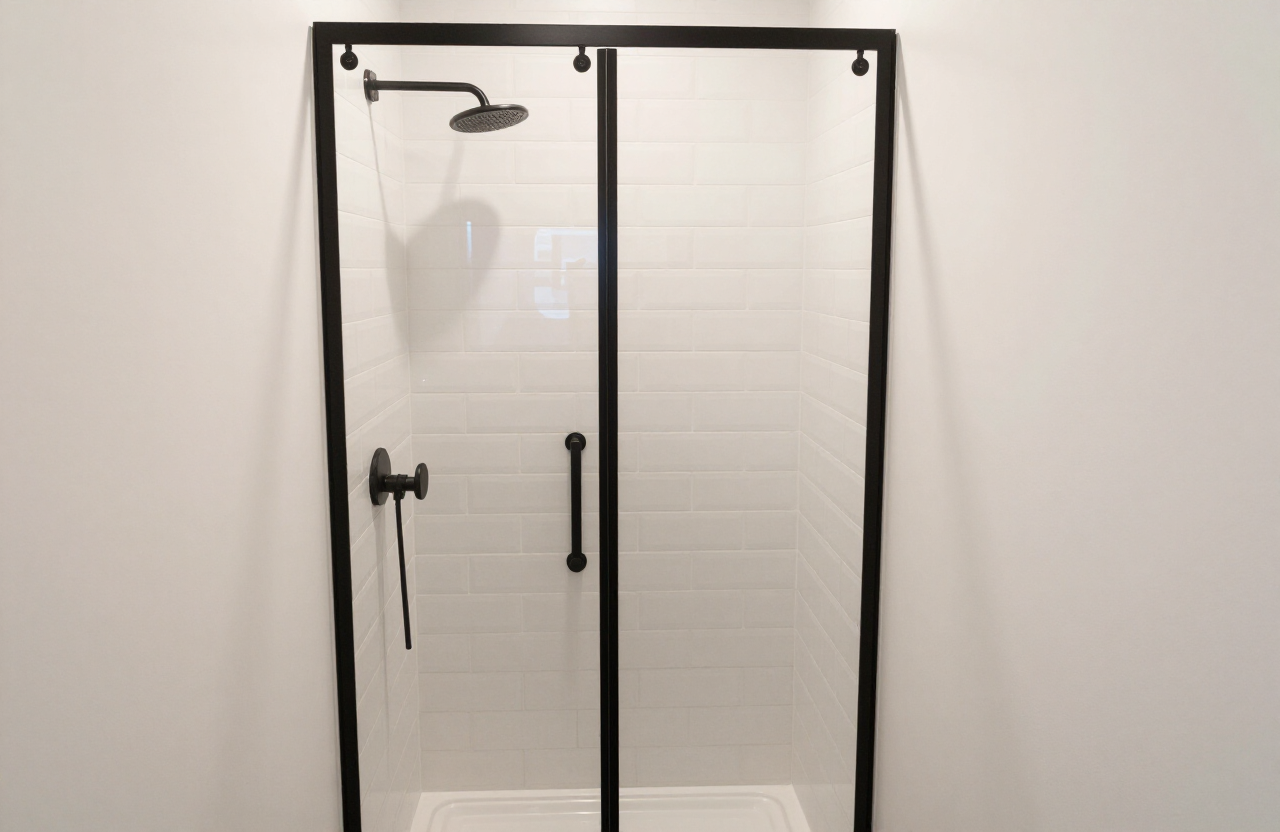
A tiny bathroom renovation is small in area but high in impact. Replace a dated fiberglass shower with a tiled wet room or a modern kit, swap round knobs for a wall-mounted faucet and a lever handle, and add a recessed medicine cabinet for storage that costs no floor space. If your toilet is aging, a composting or incinerating toilet upgrade can free up black-water plumbing entirely. Use waterproof membrane behind any tile, and ventilate aggressively — moisture is the enemy of a tiny bathroom. See our
Modernized tiny home bathroom with a walk-in shower, subway tile, and matte black fixtures

Flooring and wall refreshes

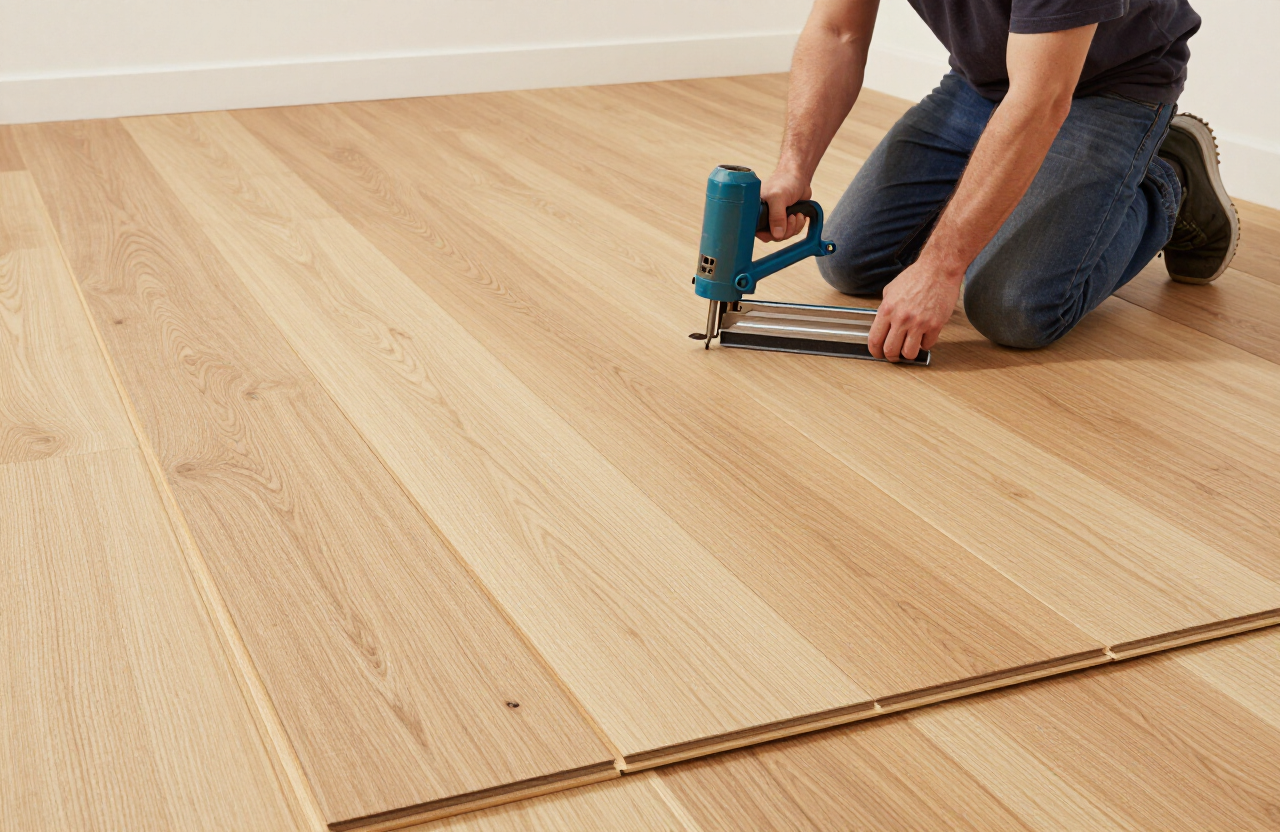
New flooring changes the feel of a tiny home more than any other single update. Luxury vinyl plank is the practical choice — it is waterproof, light, easy for a DIYer to install, and warm underfoot — while wide-plank oak adds warmth if you can spare the weight. Paint is the cheapest transformation: light, consistent wall colors make a small space feel larger, and a single accent wall adds personality without closing it in. Refinish or replace tired tongue-and-groove ceilings with a fresh coat, and add LED strip lighting in coves to modernize the lighting scheme at low cost.
New wide plank oak flooring being installed in a tiny home renovation with a flooring nailer

Loft and storage reconfigurations

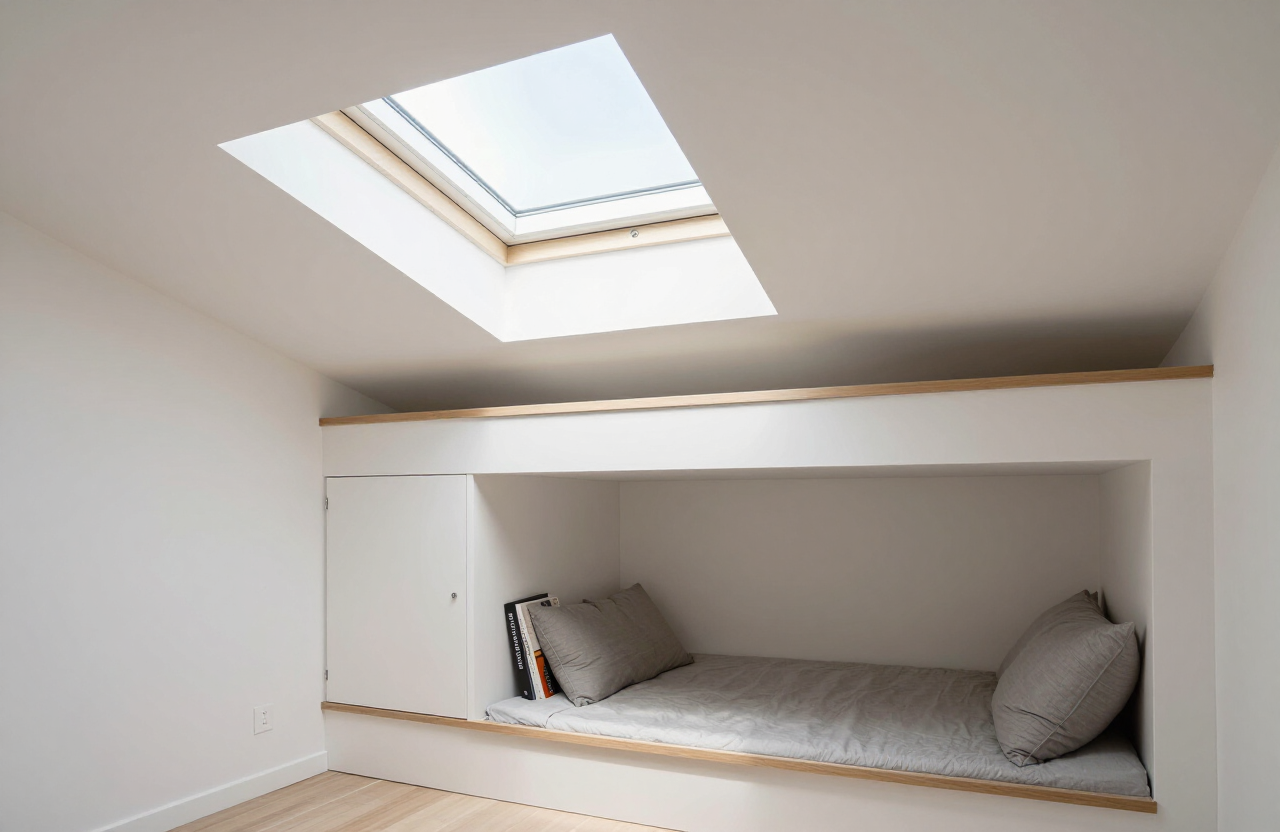
As your needs change, the loft and storage layout should too. A renovation can raise a low loft ceiling, add a skylight for headroom and light, or convert a sleeping loft into a storage loft once kids outgrow it. Rebuild stairs with pull-out drawers, add a lift-up bed platform, or install a pull-out pantry in a dead gap. These changes use structure you already have, so they cost less than they appear to. Keep the load-bearing framing intact and have an engineer or experienced builder review any change to the roof structure.
Renovated tiny home loft with a new skylight, fresh white walls, and a built-in reading nook

Smart-home and efficiency upgrades

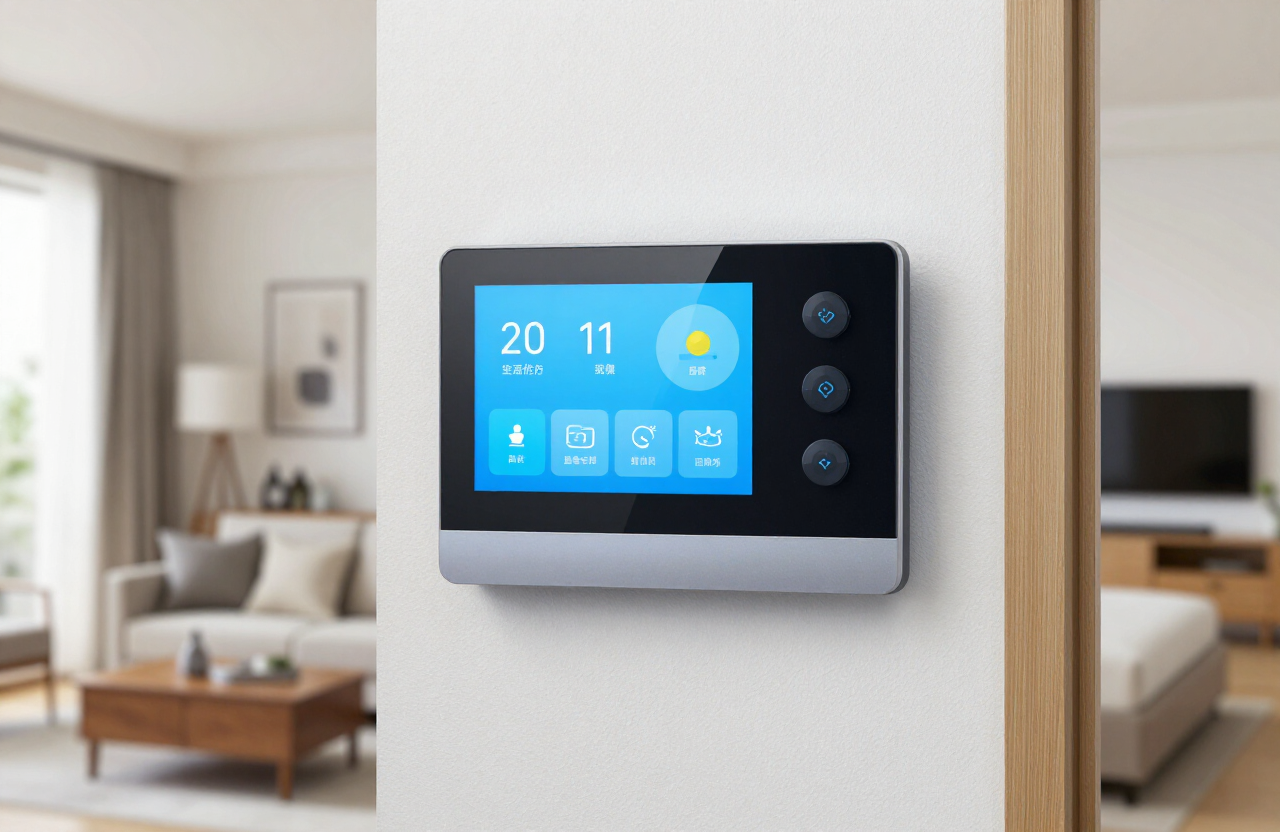
Modernizing a tiny home often means making it smarter and more efficient, not just prettier. A smart thermostat on a mini-split, LED lighting throughout, and a smart power monitor that shows your consumption in real time can cut energy use and make off-grid living easier. Add a battery monitor and a Victron or equivalent charge controller if your solar system is older. Low-flow fixtures and a heat-pump water heater (if you have the space) trim utility loads. These upgrades pay back in comfort and lower running costs. See our
Smart home control tablet mounted on a tiny home wall showing lighting and climate controls

Exterior refreshes

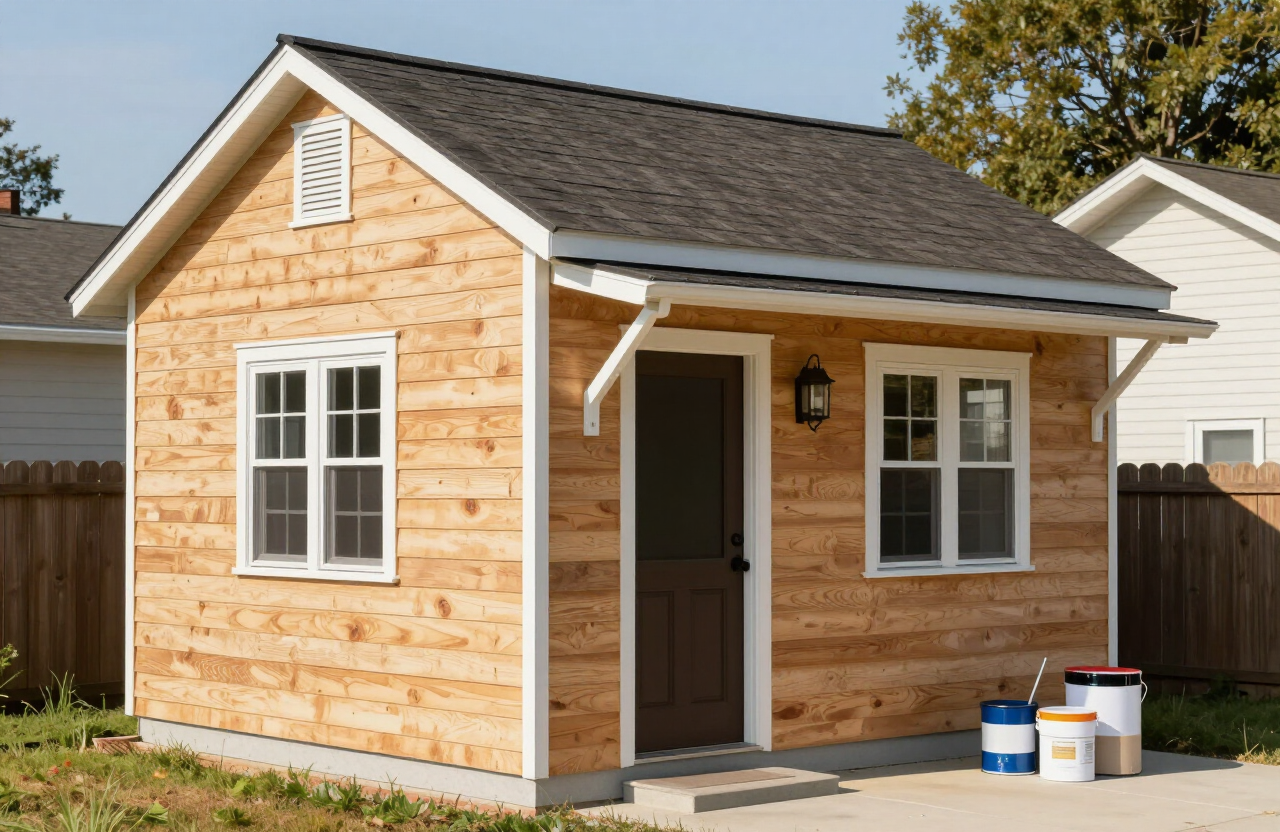
The outside ages too. A fresh coat of stain or paint on siding, a new metal roof if the old one is pitted, and re-caulked windows and doors protect the structure and lift curb appeal. Replace weathered trim, add a small covered entry or awning, and upgrade exterior lighting to low-draw LED. If the home is on wheels, inspect the trailer for rust and treat it during the renovation — exterior work is the time to catch structural issues. A refreshed exterior also helps resale value if you ever list the home.
Freshly painted tiny house exterior with new cedar accent siding and a covered entry on a sunny day

Renovation priorities at a glance

PriorityUpgradeWhy first
1Insulation, air sealing, roofProtects everything else
2Electrical & plumbing fixesSafety and behind-walls access
3Kitchen & bath modernizationHighest daily-use impact
4Flooring & lightingBig visual change, moderate cost
5Smart-home & efficiencyPays back in running costs
6Exterior refreshProtection and resale value

Renovating with resale in mind

If you might sell, choose renovations that broaden appeal: neutral finishes, a modern kitchen and bath, certified electrical, and a sound exterior. Avoid highly personal choices that are cheap to change but turn buyers off, and keep documentation of any structural or systems work. A renovated, well-documented tiny home commands a clear premium over a tired one. When you are ready, list alongside other tiny homes for sale, or explore home plans if a fresh build makes more sense.

Related articles

More guides that dig deeper into the same topics.

Frequently asked questions

How much does a tiny home renovation cost?+

A focused tiny home renovation — kitchen or bath refresh, new flooring, paint — typically runs $3,000 to $10,000 in materials and labor. A full gut renovation with new systems can reach $20,000 or more. Prioritize structural and systems work before cosmetics to protect your investment.

Can I renovate a tiny home myself?+

Much of a tiny home renovation is DIY-friendly: painting, flooring, cabinet and shelving work, and fixture swaps. Hire licensed help for electrical service changes, propane lines, and any structural framing modification, and get the work inspected if your jurisdiction requires it.

What is the best flooring for a tiny home renovation?+

Luxury vinyl plank is the practical choice — waterproof, light, warm underfoot, and easy for a DIYer. Wide-plank oak adds warmth if you can spare the weight. Avoid heavy tile on a tiny house on wheels, since road vibration can crack grout lines.

How do I modernize a tiny home on a budget?+

Paint, new hardware, LED lighting, and open shelving deliver the biggest visual change per dollar. A new countertop and backsplash refresh the kitchen without moving plumbing. Smart thermostats and low-flow fixtures modernize function cheaply.

Does renovating a tiny home increase its value?+

Yes, especially kitchen and bath modernization, certified electrical work, and a sound exterior. Neutral, well-documented renovations broaden buyer appeal. Keep records of any structural or systems work to support your asking price when you sell.

Should I renovate my tiny home or buy a new one?+

If the trailer, framing, and shell are sound, renovation is almost always cheaper and lets you fix exactly what bothers you. If the structure is compromised or your needs have outgrown the footprint entirely, a new build or a different <a href="/home-plans/">home plan</a> may make more sense.

Ready to start searching?

Browse tiny homes, plans, builders, communities and land on the interactive map.

Explore the map
>